
Last updated March 2026
Brief Summary
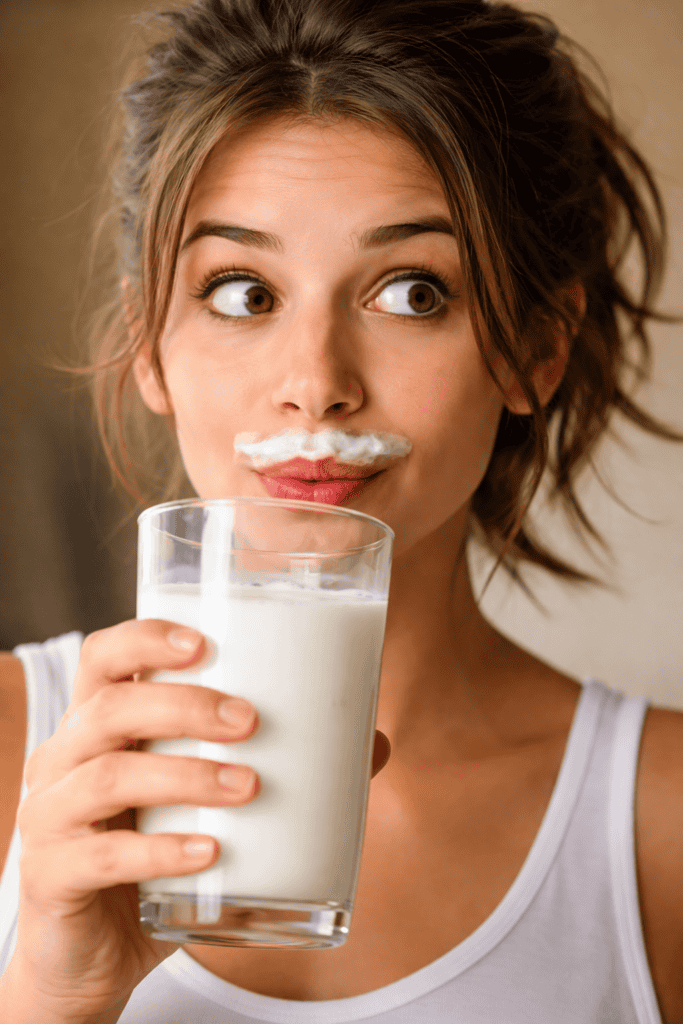
In the early 1990s, America’s dairy industry faced declining milk consumption despite decades of “good for you” advertising.
Enter “Got Milk?”, a 1993 ad campaign that flipped the script by humorously highlighting life without milk. The catchy Got Milk? slogan and milk-mustached celebrities became pop culture sensations, driving 90% awareness in California within two years.
However, while the campaign won awards and imitation everywhere, its impact on actually getting people to drink more milk was limited.
This case study explores how Got Milk? became a marketing phenomenon, what results it delivered (including a short-term sales bump), and what modern marketers can learn from its creative wins and strategic missteps.
Company Involved
The campaign was led by the California Milk Processor Board (CMPB), a state dairy trade group. They partnered with advertising agency Goodby, Silverstein and Partners to create Got Milk?. Later, the national Milk Processor Education Program (MilkPEP) adopted the slogan for nationwide use, extending the campaign’s reach.
Marketing Topic
- Advertising
- Branding
- Consumer Behavior
Public Reaction or Consequences
The public’s reaction to Got Milk? was overwhelmingly positive. The ads struck a chord by humorously depicting people stuck with cookies or cereal and no milk, a “deprivation” strategy instantly relatable to millions. The 1993 “Aaron Burr” TV spot became an award-winning hit, and within months “Got Milk?” entered the cultural lexicon. By the mid-90s, 91% of U.S. adults recognized the campaign. The slogan spawned countless parodies (“Got [Anything]?”) and merchandise. Mattel even released a special-edition Got Milk? Barbie in 1995, reflecting how the campaign turned a humble beverage into a pop culture icon.
However, popularity didn’t immunize Got Milk? from criticism or unintended consequences. The California Milk Board occasionally pushed the edgy humor too far. In 2011, a spin-off campaign suggesting milk could relieve PMS symptoms (taglined “Everything I do is wrong”) backfired badly. It featured hapless men offering milk to irritable women and was widely slammed as sexist. The public outcry forced the ads to be pulled within weeks, and the Board issued apologies on a “Got Discussion?” site. Additionally, animal-rights groups like PETA lampooned Got Milk? with guerrilla spoofs (e.g. “Got Pus?”) to protest dairy, prompting CMPB to threaten legal action. These episodes showed that even beloved campaigns can misstep and face backlash when messaging misses the mark.
Most notably, despite Got Milk?’s fame, Americans didn’t significantly increase their milk intake in the long run. The campaign coincided with powerful shifts in consumer habits. The rise of soft drinks, juices, and later almond and oat milks cut into milk’s market. Through the 1990s and 2000s, per-capita milk consumption continued a decades-long slide. This disconnect between ad recognition and behavior ultimately led the industry to rethink its strategy.
Why It Matters Today
Power vs. Limits of Branding: Got Milk? proves a campaign can achieve viral cultural status and still struggle to change consumer behavior. Modern marketers must balance creative branding with strategies that drive actual usage or sales, especially when facing broader lifestyle trends.
Adapting to Consumer Trends: This case highlights the need to pivot messaging as consumer preferences evolve. Dairy promoters eventually shifted from whimsical deprivation ads to nutrition-focused appeals (the 2014 “Milk Life” protein campaign) and even TikTok challenges in 2020. Effective marketing today demands agility and awareness of health trends, social media, and new consumer values.
Brand Equity and Beyond: Got Milk? shows how a great slogan can transcend its original campaign. The tagline became a licensable asset, featured on Oreos, Barbies, and t-shirts, generating over $10 million in licensing revenue for the milk board. Marketers can learn to leverage intellectual property and partnerships to extend a campaign’s life and impact.
3 Takeaways
An Iconic Slogan Isn’t a Strategy: Catchy slogans and funny ads alone won’t guarantee sustained sales. Marketing must connect to product consumption (in this case, getting people to actually drink milk), not just win attention. Always tie campaign success metrics to real behavior change, not just awareness.
Adapt or Lose Relevance: Even legendary campaigns must evolve. Got Milk? thrived when it tapped cultural moments and consumer insights, but it faltered when it failed to address changing diets and attitudes. Marketers should continually monitor trends (health, convenience, social media) and update their messaging to stay relevant.
Build a Brand, Not Just an Ad: Got Milk? turned a commodity into a cultural talking point and even a brand in its own right. By co-branding with food partners and merchandising the slogan, the campaign added value beyond ads. The lesson: great marketing can create enduring brand assets, but those assets work best when leveraged alongside product innovation and customer experience improvements.
Notable Quotes and Data
“First sales increase in 10+ years:” In 1994, California’s milk sales increased for the first time in over a decade, reaching 755 million gallons sold (up from 740 million in 1993). The Got Milk? launch is credited with halting what had been a steady decline in milk demand.
Cultural saturation: By the mid-1990s, 91% of U.S. adults were familiar with the Got Milk? campaign, an astonishing level of awareness for a commodity product. More than 300 celebrities, from supermodels to cartoon characters, eventually donned the famous milk mustache in ads.
Consumption kept falling: “Got Milk?” didn’t actually get people to buy more milk. Per-capita milk consumption dropped from about 0.96 cups per day in 1970 to 0.59 cups by 2011. The ads were popular, but Americans kept reaching for soda, juice, and later soy and almond milk alternatives for various lifestyle reasons.
Full Case Narrative
Background: By 1993, milk was in crisis. For decades, U.S. dairy producers had poured money into generic “milk is good for you” advertising, only to watch consumers drift to Coca-Cola, Snapple, sports drinks and other beverages. In California, the nation’s #1 dairy state, per-capita milk consumption had plummeted from 29 gallons a year in 1980 to 23 gallons by 1993. Annual milk sales were declining 3 to 4% and the usual health-based ads weren’t working. The newly formed California Milk Processor Board (a consortium of dairy processors) realized they needed a bold new approach or risk “losing the farm.” Their goal was simple but daunting: stop the bleeding and get people drinking milk again.
The Big Idea: CMPB hired Jeff Manning as executive director and tapped Goodby, Silverstein and Partners, a creative San Francisco ad agency, to reimagine milk marketing. Through research, the team uncovered a key insight: nearly everyone already believed milk was healthy. The problem was they still weren’t drinking more. They noticed that milk is almost always consumed with foods (cereal, cookies, peanut butter and jelly), and people only really crave milk when they run out at the worst time. This led to the “milk deprivation” strategy: instead of extolling milk’s virtues, dramatize how awful life is without it.
The agency brainstormed a simple, cheeky question to capture that feeling: “Got Milk?”. In October 1993, the first Got Milk? TV commercial, “Aaron Burr,” aired in California. Directed by a young Michael Bay, the ad showed a history buff failing to answer a $10,000 trivia question on-air because a mouthful of peanut butter made him choke out “Aaron Burr” unintelligibly, and he has no milk to wash it down. The absurd humor and cinematic flair grabbed viewers’ attention. Got Milk? had entered the chat.
Marketing Blitz: The Aaron Burr ad was an instant hit, winning a Clio Award and rave reviews in early 1994. Building on that momentum, CMPB rolled out a blitz of “deprivation” scenarios in TV and print. One memorably dark-humored spot (“Heaven”) showed a man in a cookie-laden heaven that turns out to be hell because all the milk cartons are empty. Another parodied Citizen Kane with a tycoon desperately searching for an Oreo dunked in milk. Every ad ended with that stark “Got Milk?” on screen. Meanwhile, print ads simply showed enticing foods (cookies, cake, cereal) minus milk, letting viewers feel the thirst.
The Got Milk? team also measured everything. They set aside the usual “attitude awareness” surveys and instead tracked actual milk usage in thousands of households. By 1995, the data was promising: awareness of Got Milk? hit 90% in California, household milk-buying rates stopped falling, and people reported using milk more frequently. Indeed, 1994 milk sales ticked up in California for the first time in over ten years. The campaign appeared to be delivering on its objective of stabilizing demand, at least regionally.
Beyond sales, Got Milk? achieved marketing nirvana: it became cool. The slogan went viral (pre-social media) purely via news and word-of-mouth. Newspapers and TV shows talked about the clever ads. “Got milk?” turned into a catchphrase used and abused by anyone with something to sell, from bumper stickers to t-shirts. The California Milk Processor Board shrewdly capitalized on the craze by licensing the tagline. Starting in 1995, the national MilkPEP program put “Got Milk?” on its famous milk mustache print ads, recruiting over 300 celebrities (actors, athletes, even Kermit the Frog) to pose with milk moustaches in magazines. CMPB also cut licensing deals with food companies. Nabisco printed “Got Milk?” on Oreo packages, Nestlé put it on Nesquik bottles, and even Barbie dolls sported mini milk cartons with the slogan. By turning the campaign into a licensing brand, the milk board generated millions in extra revenue and kept Got Milk? in the public eye.
Results – Did It Work?: In terms of branding and buzz, Got Milk? was a grand-slam. It ran for over 20 years (1993 to 2014) and nabbed almost every advertising award in existence. The campaign is taught in marketing textbooks as an example of genius positioning, how a simple question made a mundane product culturally relevant. Importantly, Got Milk? did achieve its short-term goal in California: it stopped a freefall in milk sales. The first year, sales volume actually rose about 2%. Over the next several years, the decline in per-capita milk consumption flattened in California, saving an estimated $255 million in potential losses annually that might have occurred without the campaign. Jeff Manning referred to Got Milk? as “the Godfather” of marketing campaigns, one that “helped turn around milk sales” when it mattered.
Nationally, the picture was murkier. Got Milk? certainly boosted milk’s mindshare, by 1996, over 90% of Americans recognized the ads, and many states adopted the slogan through their dairy boards. Yet, actual U.S. milk consumption kept slipping in the long run. From the 1970s to 2010s, Americans steadily drank less milk each decade, due to diversifying beverage choices, rising concerns about calories, and changing breakfast habits. By one measure, per-capita milk intake fell about 25% from 1975 to 2012, despite two decades of Got Milk? advertising. Milk simply had entrenched challenges that witty ads alone couldn’t overcome: competition from colas and later energy drinks, the advent of bottled water and coffee chains, even the decline of breakfast cereal as people grabbed quicker options. In the 2000s, concerns about lactose intolerance and the rise of plant-based milks (soy, almond) further eroded milk’s edge. Thus, while Got Milk? prevented a sharper drop and gave milk a “cool factor” it never had, it ultimately could not reverse the long-term decline in consumption nationwide. As marketing analyst Kirk Kardashian quipped, “Got Milk? didn’t actually get people to buy more milk” in the end.
Keeping It Fresh: To its credit, the Got Milk? campaign continually evolved creatively. By the late ’90s, Goodby Silverstein worried the joke might wear thin if every ad was a predictable “out of milk” gag. They refreshed the approach with new angles. For example, a series set in a dystopian “Town Without Milk” (1997) imagined a bleak world where milk’s absence causes despair. They also targeted younger audiences, producing edgy teen-oriented spots. These ads tested well and kept the campaign feeling inventive. The team embraced co-branding as well. Milk ads started featuring cameos from Oreo cookies, cereal mascots, and even the Sesame Street Cookie Monster, emphasizing milk’s partners in crime. This partnership strategy was ahead of its time. It acknowledged that milk’s best hope was to hitch itself to foods people loved, rather than pretend people would chug plain milk for its own sake. The California board also smartly invested in multicultural marketing. Recognizing that Hispanic families were heavy milk consumers but didn’t relate to the quirky “Got Milk?” humor, they developed Spanish-language campaigns focusing on family and recipes (under slogans like “Familia, Amor y Leche”), which earned praise and bolstered milk usage in those communities.
Not every idea succeeded. Aside from the infamous 2011 PMS campaign debacle, another controversial moment came in 2005 when a Got Milk? ad parodying steroid use in baseball (implying a player’s secret strength was milk) upset Major League Baseball officials. But by and large, Got Milk? maintained a positive image and demonstrated remarkable longevity for a marketing campaign.
Transition – The End of “Got Milk?”: By 2013, after 20 years, milk consumption was still trending down and some in the industry felt Got Milk?, however clever, had run its course. Dairy farmers had actually stopped contributing to the national ad budget years prior, preferring to fund product innovations and partnerships (like putting milk in McDonald’s Happy Meals) that they felt had more direct impact. In early 2014, MilkPEP made a bold move: they retired “Got Milk?” as the national slogan, replacing it with a new campaign called “Milk Life”. The Milk Life ads emphasized milk’s protein and nutrients, showing everyday people powered by milk in energetic scenarios. This shift acknowledged a new reality. Consumers wanted functional benefits (protein for breakfast, etc.), and the milk industry needed to remind them of milk’s nutritional value to compete with protein shakes and plant milks. California, however, held onto Got Milk? for its local marketing, believing the brand equity was too strong to abandon. The original slogan remained active on the West Coast even as “Milk Life” took over nationwide.
Timeline
1993 (Oct): “Got Milk?” campaign launches in California with the famous Aaron Burr TV commercial. The tagline immediately resonates with consumers.
1994: Milk sales in California rise for the first time in over 10 years (up to 755 million gallons from 740 million in ’93). The campaign wins top advertising awards and becomes a pop culture phenomenon.
1995: MilkPEP licenses Got Milk? for a national milk mustache ad campaign. Celebrities from supermodels to athletes pose with milk mustaches in print ads, all bearing the “got milk?” logo. Got Milk? Barbie doll debuts, and the slogan is licensed for use on Oreo cookies and other products.
1997: Amid concerns of ad wear-out, the campaign tests new creative directions (e.g. the surreal “Town Without Milk” series) to keep consumers engaged. By now, Got Milk? is used by dairy boards across the U.S. via licensing.
2011: CMPB’s “Everything I do is wrong” PMS-themed ads spark a public backlash over sexist messaging. Within two weeks, the campaign is pulled and replaced with an apology website. This PR crisis shows the risks of straying off-tone.
2014: National retirement of Got Milk? – MilkPEP unveils the new “Milk Life” campaign focusing on protein and nutrition. The era of whimsical deprivation ads ends as the industry tries a more straightforward pitch to boost sales. California continues with Got Milk? locally.
2020: Got Milk? is resurrected by MilkPEP during the COVID-19 pandemic, as home-bound consumers bought more milk. A modern twist: the #GotMilkChallenge on TikTok invites users to show off tricks with milk, generating over 430 million views. The slogan is reintroduced to a new generation via social media and influencer content.
What Happened Next?
After pivoting to Milk Life, the dairy industry saw only modest impacts. Milk’s decline slowed but not dramatically reversed. The new ads reminded consumers that milk has 8g of protein per glass, aligning with the high-protein diet trend. Yet, competition from dairy-free alternatives intensified through the late 2010s. The conversation around health also shifted. Concerns about sugar (in flavored milks), animal welfare, and lactose intolerance grew louder, posing challenges that pure marketing couldn’t fix overnight.
By 2020, a surprising uptick in milk demand (thanks to pandemic stockpiling and more breakfasts at home) gave dairy marketers an opening. Seizing the moment, MilkPEP brought back “Got Milk?” for the social media age. The reboot didn’t rely on expensive celebrity magazine spreads, but on viral user-generated videos. One headline stunt featured swimmer Katie Ledecky swimming the length of a pool with a glass of chocolate milk balanced on her head, not spilling a drop. The accompanying #GotMilkChallenge exploded on TikTok, amassing hundreds of millions of views. Everyday people posted milk chugging tricks, mustache selfies, and creative recipes, all hashtagged with the iconic slogan. This campaign within a campaign showed how Got Milk? still had resonance and could be reinvented to spark engagement.
As of today, milk advertising continues to evolve. The dairy industry has embraced strategies beyond traditional ads, from partnering with fast-food chains to put milk in kids’ meals, to developing lactose-free milk and high-protein dairy drinks to meet consumer needs. Got Milk? remains active in California and in periodic national pushes, often with a nostalgic or retro appeal. Meanwhile, plant-based milks use marketing of their own (sometimes playfully riffing on “Got Milk?”, e.g. “Got Oat Milk?” slogans). The legacy of Got Milk? endures as a masterclass in branding, but also as a cautionary tale that even the catchiest slogan can’t single-handedly overcome broad societal shifts.
One Sentence Takeaway
A brilliant ad campaign can turn a product into a cultural icon, but lasting marketing success comes from converting cultural impact into sustained consumer action.
References
Mental Floss – “Udder Success: A Brief History of the ‘Got Milk?’ Campaign”
The New Yorker – “The End of Got Milk?”
ASAE – “Got Milk? Marketing by Association”
The Atlantic – “Milk Is at the Center of Sexist Allegations”

