Last updated June 2026
Brief Summary
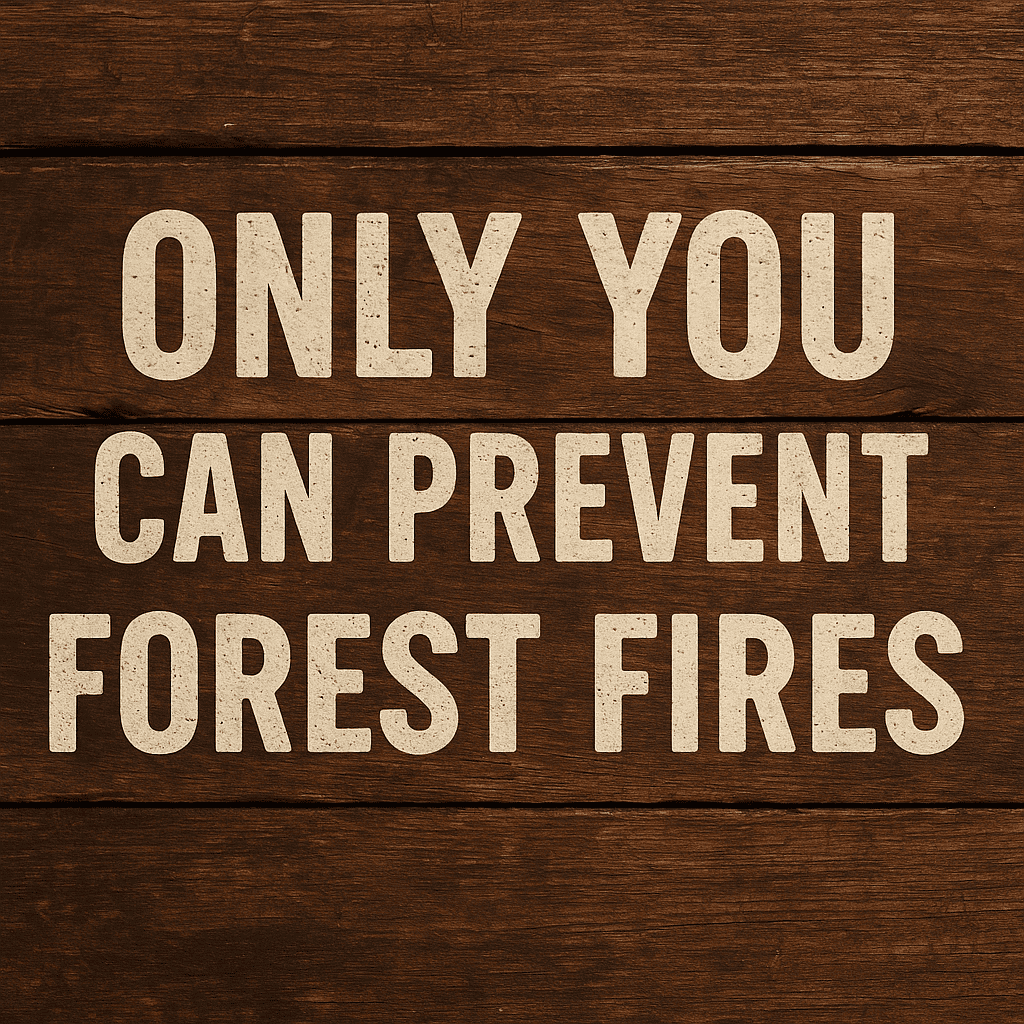
Smokey Bear’s “Only you can prevent forest fires” campaign, later updated to “Only you can prevent wildfires,” is the longest running public service advertising campaign in United States history.
It uses a simple, personal call to action and a memorable character to change how Americans behave around fire and to reduce human caused wildfires over eight decades.
Company Involved
The campaign is led by the United States Department of Agriculture Forest Service, in partnership with the Ad Council and the National Association of State Foresters.
United States Forest Service (USDA Forest Service)
Marketing Topic
Primary marketing categories include public service advertising and social marketing, branding and character led storytelling, and behavior change and safety education.
Public Reaction or Consequences
Over time Smokey Bear became one of the most recognized characters in American public service communication, with high recognition rates among outdoor recreationists and broad awareness of the campaign’s public service announcements.
The campaign helped build a strong social norm around personal responsibility for preventing unwanted fires and became embedded in culture through posters, radio, television, school programs, toys, and music references.
Historical summaries credit the forest fire prevention effort associated with Smokey Bear with helping to reduce the number of acres lost to wildfires from tens of millions annually to significantly lower levels over the long term, even though modern climate pressures have increased recent averages.
Modern fire experts have noted that early interpretations sometimes encouraged a view that all fire was bad, which contributed to fuel buildup. That scientific context helped motivate the 2001 shift from “forest fires” to “wildfires” to clarify that the goal is to prevent unwanted human caused fires rather than all fire on the landscape.
Why It Matters Today
First, it shows how a clear, consistent message can anchor a campaign for generations without losing relevance.
Second, it demonstrates the power of a single character and slogan to create behavior change at national scale.
Third, it highlights the importance of updating messages as science, context, and public understanding evolve.
Fourth, it offers a model for modern cause based and safety campaigns that want to be recognizable and effective across many channels for years.
3 Takeaways
1. A simple, personal message delivered by a distinctive character can sustain attention and influence behavior far longer than most campaigns if it is consistently reinforced and culturally embedded.
2. Long running campaigns must periodically adjust their language and framing as context changes, as seen when the slogan evolved from forest fires to wildfires to reflect modern fire science and realities.
3. Behavior change marketing works best when people see themselves as the hero of the story, which Smokey achieves through the word “you” and creative that invites each viewer to take responsibility for everyday actions that prevent harm.
Notable Quotes and Data
The 1947 slogan “Remember…only YOU can prevent forest fires” became one of the most famous public service lines in American history and still anchors public memory of the campaign.
In 2001 the line was updated to “Only you can prevent wildfires” in order to acknowledge that destructive fires occur in many types of wildlands and to distinguish unwanted fires from beneficial prescribed burns.
Ad Council summaries and federal sources state that the forest fire prevention effort associated with Smokey Bear helped reduce average acres burned annually from roughly twenty two million to significantly lower levels over time, underscoring the potential impact of a sustained behavior change campaign.
Full Case Narrative
Smokey Bear emerged during World War Two when the United States Forest Service, concerned that both enemy action and human carelessness could destroy critical timber resources, launched a focused forest fire prevention initiative. The Cooperative Forest Fire Prevention program was established in 1942, and by 1944 officials chose a bear as the symbol that would carry the message to the public.
On August 9, 1944, Smokey Bear was officially authorized as the campaign mascot, and the first poster, painted by artist Albert Staehle, showed Smokey in a ranger style hat and jeans pouring water on a campfire with the tagline “Smokey says: Care will prevent 9 out of 10 forest fires.”
In 1947 the Wartime Advertising Council, which later became the Ad Council, introduced the slogan that would define the campaign for more than half a century: “Remember…only YOU can prevent forest fires.” The line made the message personal by addressing the viewer directly, framed fire prevention as a matter of responsibility rather than punishment, and was short enough to appear in many media formats without losing impact.
Smokey’s story broadened in the 1950s when a real bear cub rescued from a New Mexico wildfire became a living symbol of the campaign. The injured cub, later known as the real Smokey Bear, was rehabilitated and eventually lived at the National Zoo in Washington, D.C., where he received thousands of letters from children and reinforced the emotional connection between the character, wildlife, and the consequences of human carelessness.
Over the following decades Smokey appeared on radio programs, in comic books, on television, in school curricula, and on licensed merchandise. The campaign was so commercially and culturally successful that Congress passed the Smokey Bear Act in 1952, protecting the character and directing royalties to wildfire prevention education.
From a marketing perspective Smokey Bear is a strong example of long term brand building for a social cause. The brand assets are extremely consistent: Smokey’s hat, shovel, jeans, serious but approachable expression, and a direct tagline that tells people exactly what to do. The creative platform is flexible enough to adapt to new media and cultural trends, yet the core elements remain intact.
Recent reflections on the character’s eightieth anniversary emphasize how the campaign continues to refresh creative work, such as using modern humor and digital placements, while staying anchored to the same central promise about personal responsibility for preventing unwanted wildfires.
The campaign’s impact is visible in both quantitative and qualitative ways. Historical summaries credit the forest fire prevention campaign with helping to reduce average acres burned annually from tens of millions to lower levels over the long term, even though modern climate pressures have increased the severity and frequency of recent fires. Surveys continue to show high recognition of Smokey Bear among outdoor recreationists and the general public, suggesting that the character and message remain well known.
At the same time, modern fire science has prompted a more nuanced understanding of wildfire. Many ecologists and land managers now emphasize the importance of good fire, such as prescribed burns, for maintaining healthy forests. This scientific shift contributed to the 2001 wording change from “forest fires” to “wildfires” and ongoing efforts to clarify that the campaign targets unwanted, human caused fires rather than all fire on the landscape.
For marketers, the Smokey Bear story shows how a campaign can evolve without losing its core identity. The look and tagline have been refined, the media mix has expanded from print and radio to digital and social channels, and the underlying narrative has shifted toward a more specific focus on careless human behavior in wildlands. Yet the fundamental message remains that individual choices matter and can prevent harm on a massive scale.
Timeline (Optional)
1942: Cooperative Forest Fire Prevention program is created to reduce human caused forest fires.
1944: Smokey Bear is authorized as the campaign symbol and the first poster appears with “Care will prevent 9 out of 10 forest fires.”
1947: The slogan “Remember…only YOU can prevent forest fires” is introduced.
1950: A real Smokey Bear cub is rescued from a wildfire and becomes a living symbol at the National Zoo.
1952: The Smokey Bear Act is passed, protecting the character and dedicating royalties to wildfire prevention education.
2001: The slogan is updated to “Only you can prevent wildfires” to reflect broader wildland fire risk and evolving fire science.
2024: The campaign marks around eighty years and continues to operate as a central wildfire prevention effort.
What Happened Next?
Today Smokey Bear still anchors the national Wildfire Prevention campaign, with creative developed by the Ad Council and partners that combines classic imagery with updated spots, digital placements, and social content.
The modern campaign emphasizes that most wildfires are caused by humans, focuses on practical behaviors such as properly extinguishing campfires or securing trailer chains, and uses contemporary humor and formats to stay relevant for younger audiences while retaining Smokey’s established voice and authority.
From a marketing standpoint Smokey Bear now operates as an always on safety and behavior change brand: a consistent presence that appears where people are making decisions that affect wildfire risk and a model of how a public service character can remain current while staying visually familiar.
One Sentence Takeaway
A simple, character driven message that makes responsibility personal and stays consistent over decades can reshape everyday behavior at national scale, as long as the campaign continues to evolve with science and culture.
Sources and Citations
Smokey Bear campaign overview and story
United States Forest Service, official site
Ad Council Wildfire Prevention campaign page
Advertising Educational Foundation summary of Smokey Bear forest fire prevention campaign
Forest History Society profile of the Smokey Bear campaign
Smithsonian Archives background on Smokey Bear and the real cub
United States National Archives article on Smokey Bear’s eightieth anniversary
United States Department of Agriculture blog on modern Smokey Bear campaigns and wildfire statistics
CapRadio discussion of Smokey Bear, wildfire prevention, and good fire