Case Studies

case study united airlines passenger dragged crisis

Case Study: United Airlines and the Passenger Dragging PR Crisis

Reading Time: 3 minutes

Brief Summary

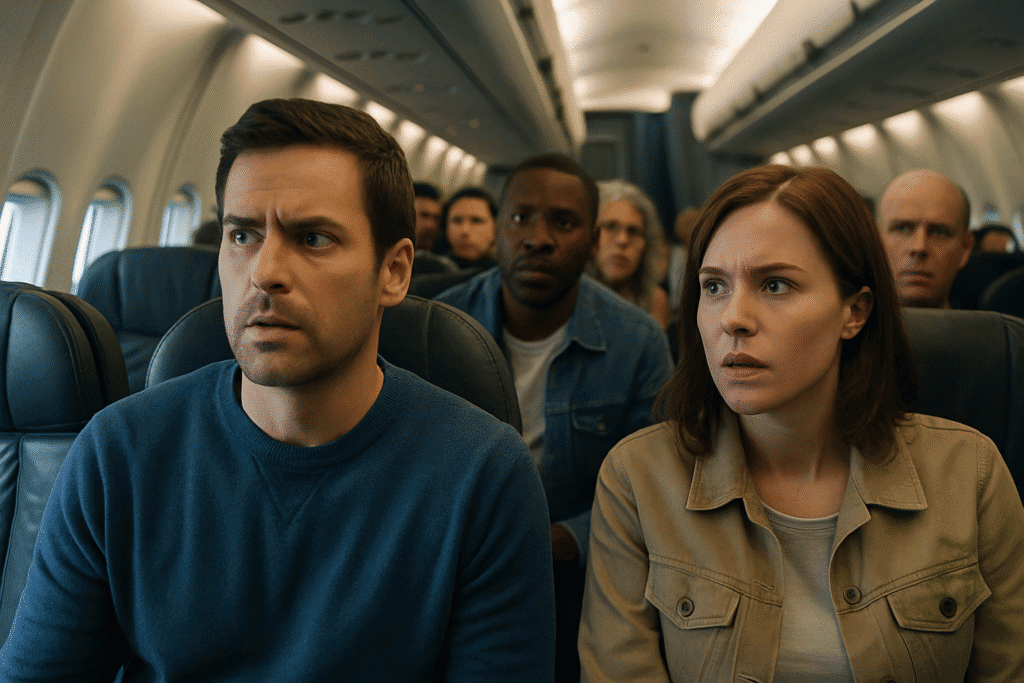
In April 2017, United Airlines faced a massive public relations crisis after a paying passenger was violently dragged off an overbooked flight by airport security.

Video footage of the bloodied passenger went viral worldwide, sparking international outrage and calls for change.

The incident quickly became a textbook example of how a single customer service failure can erupt into a global reputational nightmare, underscoring the importance of empathy and swift crisis management in modern marketing.

Company Involved

United Airlines is the major American airline at the center of this story, headquartered in Chicago and one of the world’s largest carriers.

Marketing Topic

The primary themes in this case are Customer Experience and Crisis Response, showcasing how frontline behavior and initial brand messaging can influence global perception, trust and long-term reputation.

Public Reaction or Consequences

The reaction was overwhelmingly negative. The video became the top trending topic on Chinese social platform Weibo with over 580 million posts. Outrage escalated into viral calls to boycott United, politicians demanded investigations into overbooking, and the airline’s approval rating dropped below the U.S. president’s at the time. The stock price initially fell and the company reached a legal settlement with Dr. Dao within weeks. The brand damage was severe and long-lasting.

Why It Matters Today

This moment showed that public backlash can scale globally in hours, that customer treatment outweighs advertising spend, that corporate tone determines public reception, and that crisis response must prioritize humans before statements. It also forced the airline industry to change policies and rethink involuntary passenger removal.

3 Takeaways

1. Customer experience outweighs messaging, slogans, campaigns and brand claims.

2. A fast, human, accountable response beats a slow, scripted or defensive statement.

3. Empowering employees to resolve conflict prevents global brand crises.

Notable Quotes and Data

“No one should ever be mistreated this way.” United CEO Oscar Munoz, public apology.

“United Airlines was more unpopular than Donald Trump.” Newsweek public sentiment report.

United introduced compensation up to $10,000 to avoid involuntary bumping.

Full Case Narrative

On April 9, 2017, United Airlines Flight 3411 was overbooked because four crew members needed seats. No passengers accepted a $800 voucher to volunteer to leave the flight. The airline then involuntarily selected four passengers. One of them, Dr. David Dao, a 69-year-old physician, refused to give up his seat, explaining he had patients to treat the next day.

Security officers were called to remove him. During the removal, his face struck an armrest, knocking him unconscious, bloodying him and causing significant visible injuries. Other passengers recorded the event, including footage of his limp body being dragged down the aisle. The video spread across social media within hours, triggering global outrage.

The next day, United released a statement apologizing for “re-accommodating” passengers, a phrase that was widely criticized as minimizing the incident. A leaked internal memo described Dr. Dao as “belligerent,” further escalating backlash. Public outrage intensified, leading to #BoycottUnited and unprecedented media coverage.

The CEO later released a public apology calling the incident “truly horrific,” acknowledging wrongdoing, promising it would never happen again, and launching a formal policy review. Within 18 days, the company settled with Dr. Dao for an undisclosed sum and introduced major policy changes, including banning forcible removals of seated passengers, increasing volunteer compensation up to $10,000, retraining staff, and shifting internal incentives toward customer experience outcomes instead of operational targets alone.

This crisis revealed a systemic cultural issue: frontline staff were following policy, not solving a human problem. The controversy demonstrated that internal procedure must never override customer dignity, safety or emotional intelligence. Years of branding, advertising and loyalty incentives were overshadowed by a single recorded moment.

Timeline

April 9, 2017: Incident occurs onboard United Flight 3411 and is recorded by passengers.

April 10, 2017: United issues its first statement referencing “re-accommodation,” triggering backlash.

April 11, 2017: CEO issues a full apology, calling the event horrific and unacceptable.

April 27, 2017: United announces settlement with Dr. Dao and major policy overhauls.

What Happened Next?

Security officers involved were later fired or suspended. Airlines across the U.S. updated overbooking policies, increased voluntary compensation, and reduced involuntary removals. Customer complaints dropped significantly year-over-year after the incident. United rebuilt operational policy, internal culture, incentives and training to prioritize dignity over rigid protocol. The incident remains a landmark case in PR, crisis communication, customer experience and corporate accountability.

One Sentence Takeaway

One customer moment, captured and shared, can outweigh decades of brand investment, advertising spend and loyalty building.

References

Newsweek: David Dao settlement report

Los Angeles Times: United policy changes

Al Jazeera: Official apology coverage

CBS News: CEO interview and quotes

WTTW Chicago: Long-term industry impact

WTTW Chicago: Officer terminations

Case Study: United Airlines and the Passenger Dragging PR Crisis Read More »
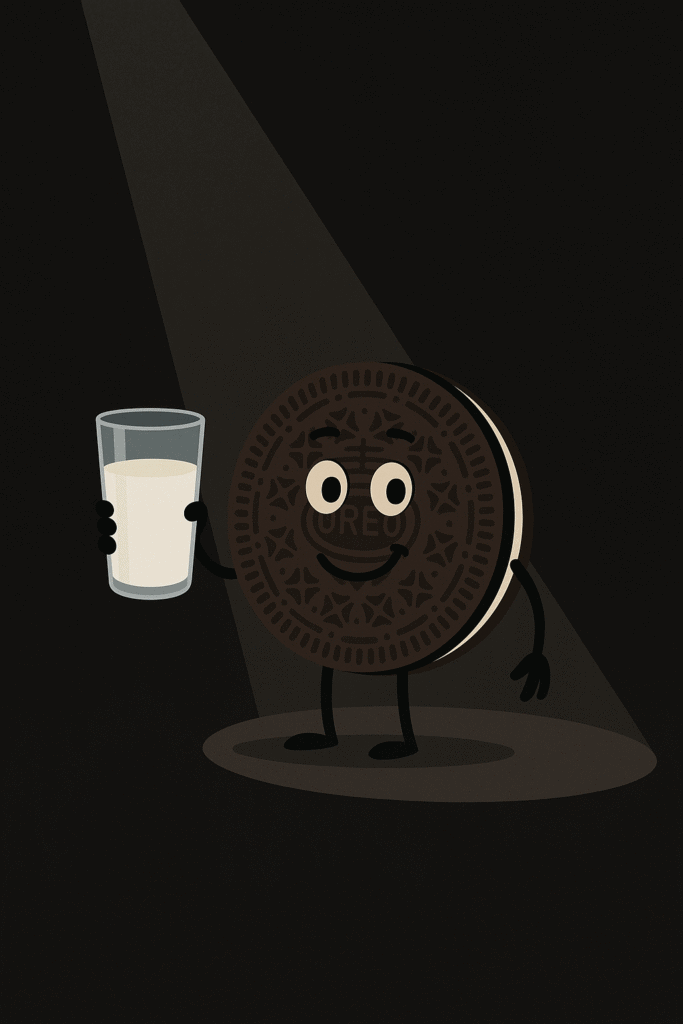
case study oreo dunk in the dark

Case Study: Oreo’s “Dunk in the Dark” – Real-Time Marketing That Won the Super Bowl

Reading Time: 6 minutes

Brief Summary

During Super Bowl XLVII on February 3, 2013, a sudden 34-minute power outage plunged the stadium into darkness. Oreo’s social media team immediately seized the moment: within minutes they tweeted an image of a single Oreo cookie on a dark background with the caption “Power Out? No problem. You can still dunk in the dark.”

This quick-witted real-time response quickly went viral, earning thousands of social shares and extensive media coverage. The incident is celebrated as one of the most iconic examples of agile, creative social media marketing.

Company Involved

Oreo is a popular sandwich cookie brand owned by Mondelēz International (formerly Kraft/Nabisco). In this case study, Oreo’s marketing and social media agencies played key roles. The work was led by Leo Morejon and a 15-person team at the digital agency 360i, in coordination with partners such as Wieden+Kennedy, Mediavest, and Weber Shandwick. This multi-agency “war room” was assembled to support Oreo during the Super Bowl, preparing to respond to any breaking moment in real time.

Marketing Topic

This case exemplifies real-time social media marketing and “newsjacking” during live events. Rather than relying on a traditional Super Bowl TV ad, Oreo capitalized on an unexpected cultural event (the power outage) to amplify its brand message. The campaign demonstrates how brands can use social media and agile content strategies to engage audiences instantly, aligning marketing communications with current events as they unfold.

Public Reaction or Consequences

The public reaction was overwhelmingly positive. Oreo’s tweet was celebrated for its humor and timing, and it rapidly became a viral sensation. In the hour after posting, the tweet received over 10,000 retweets and 18,000 likes, with similar high engagement on Facebook. Media outlets around the world praised the stunt – some called it “one of the most buzz-worthy ads of the Super Bowl” even though it was not a paid commercial. The campaign earned Oreo millions of free media impressions (estimated at over USD 525 million) and hundreds of news headlines globally. It also won industry awards: Oreo and its agency 360i received a Cannes Silver Lion for Best Use of Digital Direct Marketing and a Bronze Lion for Best Viral Advertising. Overall, consumers saw Oreo as a clever and agile brand, and many marketers studied the case, often referring to an “Oreo moment” when discussing real-time social marketing.

Why It Matters Today

This event remains a landmark example of the power of real-time marketing and social media engagement. It showed that even a small, reactive post can achieve massive impact if it is timely and on-brand. Marketers today still reference Oreo’s blackout tweet as a benchmark: being prepared to respond in seconds to trending events can greatly boost visibility and brand affinity. The “Dunk in the Dark” case is frequently taught in marketing courses as evidence that bold creativity and speed can turn unexpected situations into marketing victories. In an era of second-screen viewing and instant communication, Oreo’s success highlights why brands invest in social listening and prepared “war rooms” to capture cultural moments.

3 Takeaways

1. **Speed and Relevance Matter:** Oreo’s team was ready to move within minutes. Being prepared to react instantly to real-world events can capture audience attention more effectively than pre-scheduled ads.

2. **Simplicity is Powerful:** A short, witty message paired with a clear visual (the Oreo cookie) resonated widely. Even minimal text – just a few words – made the tweet memorable and highly shareable.

3. **Preparation Pays Off:** The Oreo team had trained for real-time marketing (for example, through prior campaigns like “Daily Twist”) and set up an on-site command center. This preparation – including planning alternate versions of the tweet – enabled them to execute flawlessly under pressure.

Notable Quotes and Data

“Power Out? No problem. You can still dunk in the dark.” – Oreo’s tweeted caption (Feb 2013)

“It was the tweet heard around the world, with over 15,000 retweets…” – Digiday recounting the campaign

“It definitely makes the brand seem like a more clever, more interesting, sharp brand.” – Marketing professor Jonah Berger on Oreo’s real-time marketing

15,000 retweets; 20,000 Facebook likes; USD 525 million in earned media impressions

Cannes Lions 2013: Silver (Digital Direct Marketing), Bronze (Viral Advertising)

Full Case Narrative

On February 3, 2013, during Super Bowl XLVII in New Orleans, a power outage suddenly darkened the stadium. As nearly 70 million viewers tuned in, Oreo’s social media team quickly recognized a unique opportunity. Within minutes of the outage, the Oreo Twitter account posted an image of a lone Oreo cookie against a dark background, captioned with the now-famous line: “Power Out? No problem. You can still dunk in the dark.” This quick, tongue-in-cheek response turned a brief unexpected event into a marketing moment.

The Oreo team had anticipated the need to react rapidly. They had set up a Super Bowl “war room” with writers, designers, and strategists on standby. According to reports, the group even prepared alternate tweet images ahead of time (one in team colors for each Super Bowl finalist). When the blackout occurred around 8:46 p.m., the team met the challenge in under two minutes. The timely post immediately drew attention, showing how pre-planning and an empowered social team can capitalize on breaking news.

The tweet went viral almost instantly. As Wired reported, it accumulated nearly 15,000 retweets and 20,000 Facebook likes within an hour:contentReference[oaicite:7]{index=7}. Fans and journalists enthusiastically shared the image; Tumblr users even proclaimed “Oreo won the Super Bowl blackout.” This real-time engagement far exceeded the exposure of many traditional ads. Oreo’s social followers spiked (about 8,000 new Twitter followers and tens of thousands of Instagram followers in the days following), and thousands of user-generated photos of Oreo cookies flooded social networks.

This success was built on Oreo’s already-strong digital presence. The brand had spent the year leading up to the Super Bowl on creative social projects (including a 100-day “Daily Twist” campaign celebrating its 100th anniversary). As 360i’s CEO later explained, Oreo had “muscle memory” for commenting on culture because of that work:contentReference[oaicite:8]{index=8}:contentReference[oaicite:9]{index=9}. The blackout tweet, while spontaneous in feel, was actually the result of careful strategy and rehearsal. The combination of speed, cultural relevance, and a message aligned with Oreo’s brand identity made the stunt legendary.

The campaign won instant acclaim. Industry judges awarded Oreo two Cannes Lions for the effort, and marketing experts frequently cite the tweet as a defining example of modern advertising. In hindsight, the “Dunk in the Dark” campaign is often described as a turning point, illustrating how a nimble social strategy can match or outperform expensive ad buys. The immediate success cemented Oreo’s reputation as an innovative, consumer-savvy brand and influenced how companies plan Super Bowl marketing.

Timeline

Feb 3, 2013: During Super Bowl XLVII in New Orleans, a 34-minute power outage occurs in the third quarter. At about 8:48 p.m., Oreo’s social media team tweets its blackout image (“You can still dunk in the dark”).

Feb 3, 2013 (minutes later): The tweet begins to spread rapidly. By 9:00 p.m., social metrics show over 10,000 retweets and 18,000 likes, and the post is being shared by media outlets and fans worldwide:contentReference.

Feb 4, 2013: News articles and blog posts highlight Oreo’s tweet as a brilliant real-time marketing move. Social media analysis shows a significant increase in Oreo’s followers and engagement. The campaign becomes a trending topic.

June 2013: At the Cannes Lions Festival, Oreo (and 360i) wins a Silver Lion (Digital Direct Marketing) and a Bronze Lion (Viral Advertising) for the blackout tweet campaign.

2013–2025: The “Dunk in the Dark” tweet remains a teaching example in marketing and a benchmark for real-time social strategies. Oreo continues creative social campaigns, and other brands attempt similar real-time responses during events (often citing the Oreo example).

What Happened Next?

Following the Super Bowl success, Oreo’s marketing team built on its social momentum. The brand continued to engage consumers with creative content (such as holiday-themed posts and interactive apps) that leveraged its high profile. The concept of real-time marketing gained traction in the industry: brands set up dedicated teams and war rooms for events, hoping to replicate Oreo’s agility. Some succeeded with witty social posts, while others learned that timing and relevance are critical. Meanwhile, Oreo’s tweet entered advertising lore; marketers frequently reference the “dunk in the dark” moment as inspiration. The campaign also influenced Oreo’s parent company, Mondelēz, to keep prioritizing digital and social initiatives.

One Sentence Takeaway

Quick, clever social media posts that tap into current events can achieve tremendous engagement and brand impact, often far surpassing traditional ads.

Sources and Citations

Angela Watercutter, “How Oreo Won the Marketing Super Bowl With a Timely Blackout Ad on Twitter,” Wired (Feb 2013)

Valens Research, “Dunk in the Dark – A single tweet is all this brand needed to win the Big Game,” (2016)

Shareen Pathak, “The definitive oral history of the Oreo ‘You can still dunk in the dark’ Super Bowl tweet,” Digiday (Feb 2017)

Morten Strand, “The Impact of Real Time Marketing: How to Implement Real Time Market Research,” Digital Marketing Magazine (Apr 2015)

Leo Morejon, “Oreo Super Bowl Blackout Tweet: A Case Study (2025 Edition),” LeonardoM.com (2025)

Case Study: Oreo’s “Dunk in the Dark” – Real-Time Marketing That Won the Super Bowl Read More »

case study ebay ad spend experiment

Case Study: eBay Turns Off Google Ads and Nothing Changes

Reading Time: 7 minutes

Brief Summary

In a bold marketing experiment, eBay temporarily halted its paid search ads on Google to measure what would happen. The result?

The eCommerce giant discovered that free organic search listings generated almost the same click traffic as its costly Google ads.

This finding shocked the industry because it suggested eBay was paying millions for ads that didn’t bring in many new customers.

The case highlights the importance of testing advertising ROI and reminds marketers that sometimes organic search can capture demand without extra ad spend.

Company Involved

eBay is a global eCommerce marketplace founded in 1995, known for its auctions and vast product catalog. By the early 2010s, eBay was not only a top online retailer but also one of the biggest spenders on Google’s advertising. This made the company uniquely positioned – and motivated – to investigate whether its substantial investment in paid search ads was truly worthwhile.

Marketing Topic

  • Advertising
  • Strategy
  • Search Engine Optimization (SEO)

Public Reaction or Consequences

eBay’s findings, published in collaboration with economists at UC Berkeley and the University of Chicago, sparked widespread discussion in the marketing world. Industry experts were astonished – if a top advertiser like eBay saw “no measurable benefits” from certain Google ads, what did that mean for the billions spent on search marketing? Some marketers applauded eBay for questioning “business as usual” and using scientific rigor to test advertising ROI. The study concluded that “substitution between paid and unpaid traffic was nearly complete” – in other words, when eBay turned off its paid ads, customers simply clicked the organic result instead.

Google responded by pointing out that results can vary. Google’s own research claimed 89% of ad clicks are incremental, meaning those visits would not occur without ads. This contrast set off debate: eBay’s case suggested that well-known brands might be overpaying for ads, while Google urged advertisers to run their own experiments rather than assume all ads are ineffective. Many marketers began reconsidering their ad budgets and attribution models, and the eBay experiment quickly became a case study discussed in marketing conferences and even classrooms.

Why It Matters Today

  • AI-driven ad buying: Automated bidding algorithms can optimize for clicks and conversions, but without human oversight they might overspend on keywords that don’t drive incremental sales. eBay’s case shows that even advanced systems need a reality check on true ROI.
  • Marketing attribution: Modern attribution models are sophisticated, yet the core lesson remains: correlation is not causation. Marketers must distinguish between customers acquired due to ads versus those who would buy anyway (as eBay did through its testing).
  • Search optimization vs. ad spend: The experiment underscores the value of SEO and brand equity. A strong organic presence can yield “free” traffic – saving millions in ad spend. In today’s budget-conscious environment, maximizing organic reach before paying for ads is more critical than ever.

3 Takeaways

  1. Test for incremental impact: Don’t take ad performance at face value. Use controlled experiments (geo holdouts, A/B tests) to see if ads truly add sales or just cannibalize organic traffic.
  2. Prioritize new customer acquisition: eBay found its ads mainly influenced new or infrequent users, not loyal repeat buyers. Focus your paid search budget on audiences who wouldn’t visit otherwise, and don’t waste spend chasing customers you already have.
  3. Bolster SEO for core keywords: If your brand already ranks high organically, paying for the top ad spot may be redundant. Invest in SEO so that your site captures demand naturally – and reserve paid ads for areas where you need the boost.

Notable Quotes and Data

  • “No measurable benefits.” The eBay study reported that its search ads had “no measurable short-term benefits” for well-known brand terms – customers clicked the free organic link instead.
  • 99.5% organic replacement: When eBay turned off its brand keyword ads, 99.5% of the traffic that the ads would have generated still came to eBay via organic search results.
  • $0.25 per $1 ROI: The experiment showed that eBay got only about $0.25 in revenue for each $1.00 spent on search ads, meaning the vast majority of its paid search budget was wasted.

Full Case Narrative

Background: By 2012, eBay was spending massive sums on Google AdWords – advertising on generic product terms as well as on its own name. However, some within eBay (including a team of internal economists) wondered whether these ads were truly driving additional sales or simply capturing clicks from people who would have come to eBay anyway. John Wanamaker’s famous adage came to mind: “Half the money I spend on advertising is wasted, I just don’t know which half.” To find out which half was which, eBay embarked on a bold experiment.

The Experiment: eBay partnered with academics to design a large-scale field test of paid search advertising. In early 2012, they turned off brand keyword ads (like ads for searches containing “eBay”) on certain search engines and in certain regions. They also halted non-branded search ads (generic keywords such as “camera” or “vacuum cleaner”) for a randomly selected 30% slice of U.S. users over 60 days. By comparing user behavior in markets with no eBay ads to markets where ads continued as normal, eBay could isolate the true causal impact of its search ads.

Key Findings: The results were striking. For searches where eBay’s organic listing already appeared prominently (e.g. someone Googling “eBay”), the paid ads were essentially superfluous. The researchers found that “almost all of the forgone click traffic and attributed sales were captured by natural search” once the ads were turned off. In fact, eBay revealed that the clicks it lost by not advertising were almost entirely made up by clicks on the unpaid organic link. In plain terms, if eBay didn’t pay for an ad, the customer still found their way to eBay via the next available (free) link.

When it came to generic product searches, the lift from ads was minimal. Shutting off ads on broad, non-branded terms led to only a 0.66% change in sales – a difference so small it was statistically insignificant. As the study put it, “on average, US consumers do not shop more on eBay when they are exposed to paid search ads. In other words, overall sales stayed about the same whether eBay ran those Google ads or not.

However, there were a few important exceptions:

  • New or infrequent users: The ads did have some effect on people who were not regular eBay shoppers. First-time buyers and very infrequent customers were slightly more likely to make a purchase if they saw a search ad, whereas frequent eBay users’ behavior was “unaffected by the presence of paid search advertising. In fact, the more purchases a user had made on eBay in the past, the less impact the ads had. This implies that the incremental value of ads came largely from new customer acquisition, not from the loyal base.
  • Competitive scenarios: The researchers acknowledged that if eBay didn’t bid on certain keywords, a competitor could step in. For instance, if someone searches for an eBay product (say “eBay shoes”) and no eBay ad appears, a rival retailer’s ad might grab that click. In theory, brand ads can serve a defensive role – the only time a brand ad truly adds value is if it prevents a competitor (e.g. Adidas) from “hijacking” a search for your brand (e.g. Nike). Thus, some companies might still buy their own keyword to block others, even if the direct sales impact is negligible.

The study’s publication served as a wake-up call across the industry. It highlighted the danger of attributing sales to ads that didn’t truly cause them – many of eBay’s ad clicks were from loyal buyers who would have purchased regardless. Without careful analysis, a marketing team might have wrongly credited those sales to advertising, vastly overestimating the ads’ effectiveness. These findings prompted many companies to rethink their search engine marketing investments.

Some large advertisers quietly reduced or even stopped bidding on their own brand names after seeing eBay’s results, reasoning that their loyal customers would find them organically. Meanwhile, smaller businesses and lesser-known brands viewed the findings with caution. If a company lacks eBay’s name recognition, appearing in sponsored results might be crucial to visibility. Even the eBay researchers noted that paid search could be more valuable for companies without a strong brand or organic presence. Google, for its part, encouraged advertisers to use tools like AdWords experiments to measure effectiveness for themselves, emphasizing that “outcomes differ among advertisers. Still, eBay’s case has forever raised skepticism about blindly pouring money into search ads without evidence of incremental gain.

What Happened Next?

In the aftermath, eBay reportedly scaled back its spending on paid search ads that merely duplicated its organic traffic. For example, eBay realized it didn’t need to pay Google for an ad when someone searches “eBay” – since eBay’s own organic result would be at the top for free. Instead, the company refocused its search marketing budget on more targeted areas. eBay continued to run ads for certain product keywords and competitive categories where it didn’t dominate the organic results, and especially for campaigns aimed at acquiring new users (where the data showed ads had some positive effect).

Over time, eBay also diversified its marketing strategy beyond just Google search. The company put more resources into SEO – making sure eBay listings and pages rank well in organic search so that shoppers find them easily without paid ads. It also expanded efforts in email marketing, social media, and affiliate partnerships, and even developed its own internal advertising for sellers (Promoted Listings on the eBay platform). The overarching strategy for eBay became clear: spend advertising dollars where they truly bring in additional business, and avoid “vanity” ad buys that simply pay for traffic eBay would get anyway.

The industry at large felt eBay’s influence. In the years since, many big advertisers have become more sophisticated about testing ad effectiveness. Concepts like incrementality and causal lift are now common parlance – marketers want to know not just if an ad gets clicked, but if it leads to extra sales beyond baseline. eBay’s pioneering experiment helped shift the focus toward data-driven marketing and accountability. To this day, its bold test is cited whenever questions arise about the real ROI of digital ads.

One Sentence Takeaway

Don’t assume your ads are driving new sales – as eBay proved, you might be paying for clicks you’d get anyway, so always test and trust the data.

Sources and Citations

Fisman, Ray. “Did eBay Just Prove That Paid Search Ads Don’t Work?” Harvard Business Review, March 11, 2013.

Thompson, Derek. “A Dangerous Question: Does Internet Advertising Work at All?” The Atlantic, June 13, 2014.

Barr, Alistair. “EBay study questions value of Google’s main ad service.” Reuters, March 13, 2013.

Case Study: eBay Turns Off Google Ads and Nothing Changes Read More »

case study van halen no brown mms

Case Study: Van Halen’s “No Brown M&M’s” Clause – A Legendary Lesson in Attention to Detail

Reading Time: 9 minutes

Brief Summary

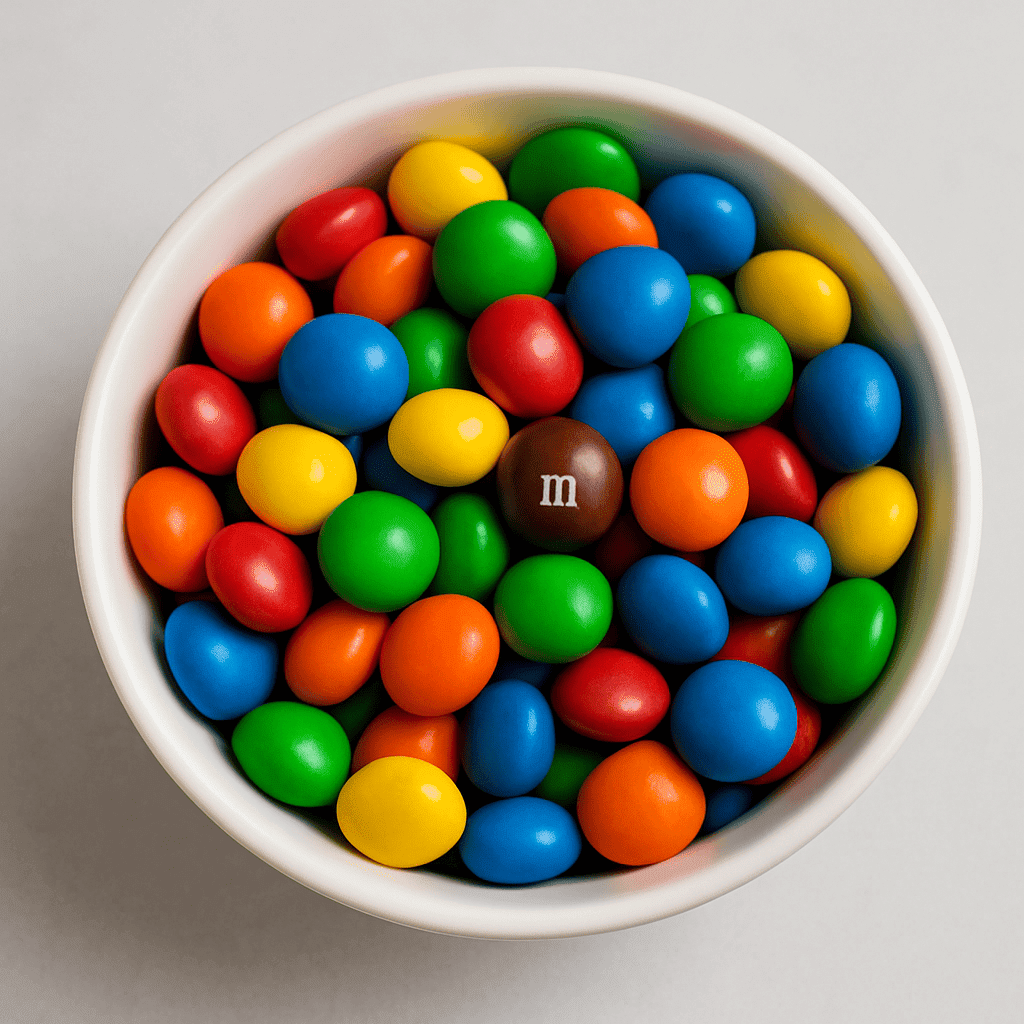
Van Halen’s 1980s tour contract famously included an odd requirement: no brown M&M’s in the backstage candy bowl.

At first glance it looked like rock-star excess, but this quirk had a serious purpose. The band used the brown candies as a test for attention to detail. If a venue missed that line, they likely overlooked critical technical requirements.

In one incident, a venue that ignored the rule suffered tens of thousands of dollars in damage due to unsafe staging. This case became legendary, proving that a seemingly trivial detail can be a warning flag for bigger problems and a master class in quality control.

Company Involved

Van Halen – an American hard rock band formed in 1972 – is at the center of this story. Known for their flamboyant lead singer David Lee Roth and elaborate live shows, Van Halen was one of the biggest touring acts of the late 1970s and 1980s. Their massive concerts, featuring spectacular lighting and effects, set new standards for production complexity. The band’s insistence on professionalism and safety, as evidenced by the infamous M&M clause, became as much a part of their legacy as their music.

Marketing Topic

  • Strategy
  • Customer Experience

Public Reaction or Consequences

When news of the “no brown M&M’s” clause leaked out (notably after a 1980 concert in Pueblo, Colorado where the band found brown candies and trashed the dressing room), it quickly became music industry lore. At the time, the media portrayed Van Halen as prima donna rockstars – throwing a tantrum over candy. Headlines focused on the band causing up to $85,000 in damage after spotting a few brown M&M’s. This narrative of “spoiled rockers” reinforced the public’s image of outrageous tour demands and even had promoters shaking their heads.

However, when David Lee Roth later revealed the truth behind the clause, public perception shifted. What was once mocked as egotistical became praised as ingenious. Fans and business observers alike came to appreciate the clever safety measure hidden in plain sight. The story turned into an urban legend with a positive twist – a go-to example of why details matter. In the long run, Van Halen’s brand didn’t suffer; if anything, the tale added to the band’s mystique and demonstrated their commitment to delivering a safe, top-quality show. It also sparked widespread discussion, turning a backstage anecdote into a cultural touchstone for attention to detail in any industry.

Why It Matters Today

  • Attention to Detail Is Timeless: In today’s complex marketing campaigns and projects, a minor oversight (like a broken link or a small print error) can snowball into a major issue. Van Halen’s candy test underscores how crucial it is to sweat the small stuff to prevent big problems.
  • Trust and Compliance: Modern marketers juggle strict regulations (from data privacy to brand safety). A “brown M&M” test – a simple check embedded in processes – can verify that partners, platforms, or team members are following guidelines. It’s a clever way to ensure compliance before a campaign goes live.
  • Customer Experience and Safety: Whether it’s a live event or a digital product launch, the audience only sees the end result. Hidden quality-control measures (like Van Halen’s clause) help deliver a seamless and safe customer experience. In an age of instant social media feedback, catching mistakes early safeguards a brand’s reputation and consumers’ trust.

3 Takeaways

  1. Small Details, Big Signals: Never dismiss a seemingly trivial detail – it might be signaling a larger problem. Van Halen’s brown M&M’s were a tripwire indicating whether a venue read the entire playbook. Marketers should identify their own “tripwires” (for example, a specific requirement in a brief or contract) to quickly gauge if partners and teams are truly paying attention.
  2. Embed Quality Checks in Your Strategy: The genius of this case is how a fun detail doubled as a safety check. Likewise, build checkpoints into your marketing projects – from test emails to preview environments – that ensure every requirement is met. A well-placed test (like a hidden instruction in a project outline) can save you from disaster by revealing who has done their due diligence.
  3. Protect the End-User Experience: Van Halen’s ultimate goal wasn’t candy control; it was to prevent a technical failure that could ruin the show for fans (or even put them at risk). In marketing, every detail that affects your audience’s experience – no matter how minor – is worth controlling. Consistency and safety in execution uphold your brand’s promise. A campaign might have great creative, but if the landing page is broken or customer data isn’t handled properly, the whole effort can collapse. Ensuring all details are right means delivering on what you promised your audience.

Notable Quotes and Data

  • “If any brown M&M’s were found backstage, the band could cancel the entire concert at the full expense of the promote. (Van Halen’s contract rider put promoters on notice: a single candy could cost them millions.)
  • “David Lee Roth was no diva; he was an operations master. In Van Halen’s world, a brown M&M was a tripwire.” (Authors Chip and Dan Heath, emphasizing the clever strategy behind the infamous clause.)
  • At one show, the stage sank through the arena floor, causing about $80,000 in damage, because staff “didn’t bother to look at the weight requirements” in Van Halen’s rider. (The cost of not paying attention: a concrete example of the havoc a skipped detail can wreak.)

Full Case Narrative

Background: By the late 1970s, Van Halen had exploded into one of rock’s biggest acts. Their tours were massive productions – the band would roll into town with nine 18-wheeler trucks of gear when most bands used three. They pioneered bringing big-budget rock shows to smaller markets that had never seen such scale. The result? A 50+ page technical contract rider detailing every requirement, from electrical specifications to the size of doorways needed to fit their equipment. This document read “like a version of the Chinese Yellow Pages,” Roth quipped, because of its thoroughness. It had to be exhaustive – safety and show quality depended on every line.

The Clause: Buried deep in Van Halen’s rider, amid instructions about amps and lighting rigs, was Article 126: “There will be no brown M&M’s in the backstage area, upon pain of forfeiture of the show, with full compensation.” In plain terms, the venue had to provide a bowl of M&M candies with all the brown ones removed, or the band could cancel the show and still be paid in full. This bizarre demand sat quietly among critical tech specs – exactly where David Lee Roth wanted it. The logic was simple: if the promoter missed the M&M clause, what else did they miss? As Roth later explained, “Just as a little test” they included that odd line to make sure every detail of the rider was noticed. It was, as he put it, a canary in a coal mine – an easy-to-spot indicator of whether the venue’s team truly read the entire contract.

Why They Did It: Van Halen’s shows weren’t just pyrotechnic extravaganzas; they were logistical tightropes. A minor oversight (say, a ceiling beam that couldn’t bear the weight of the lighting rig) could mean catastrophe – collapsing stages, electrical fires, or serious injuries. In fact, many older venues simply weren’t built for the strain of a Van Halen showed. Roth knew that if he strolled into the dressing room and saw even one brown M&M in the candy dish, it was an immediate red flag. It meant the promoter might have skimmed over the safety precautions. As Roth said, “If I saw a brown M&M in that bowl… well, line-check the entire production. Guaranteed you’re going to arrive at a technical error. … Guaranteed you’d run into a problem. Sometimes it would threaten to just destroy the whole show.” In other words, finding brown candy was a signal to stop the music and double-check everything – from power supplies to stage supports – before any real harm was done.

The Pueblo Incident: The infamous proof of this system’s value came during a show at Colorado’s Pueblo arena in 1980. The venue was a small university coliseum that had just installed a new rubberized basketball floor. Crucially, the rider included weight requirements for the staging that this new floor could not handle – something the promoter either ignored or overlooked. When Van Halen arrived, Roth found brown M&M’s in his dressing room bowl, in direct violation of the contract. He knew immediately that the crew had not read the fine print. According to Roth’s retelling, he acted out a dramatic “Who spilled these?” routine and then went on a rampage – dumping buffet food, overturning tables, and even kicking a hole in a door. He caused about $12,000 in (intentional) damages backstage – partly to drive home the point that the contract hadn’t been respected.

The real disaster was waiting in the wings. As the crew inspected the stage, they discovered the oversight: the venue’s shiny new floor couldn’t support the weight of Van Halen’s massive stage setup. Sure enough, the staging sank through the floor, gouging a huge hole and wrecking the playing surface. The price tag for that mistake? Roughly $80,000 in damage to the arena floor. Media reports later (mis)attributed the entire $80k–$85k fiasco to Van Halen’s “tantrum” over brown M&M’s, not realizing that most of the destruction came from the venue’s negligence. As Roth wryly quipped afterward, “Who am I to get in the way of a good rumor?”. The band got its vindication – the brown M&M trick did its job by exposing a lurking danger before anyone got hurt onstage.

Aftermath and Revelation: For years, the brown M&M story was whispered in music circles as an example of outrageous demands. It added to Van Halen’s notorious reputation and was often listed alongside the wildest rock star riders. But behind the scenes, Roth’s strategy was a success: Van Halen avoided technical disasters by smoking them out early. The band continued to enforce meticulous standards and as a result, their tours ran like clockwork. Finally, in the mid-1990s, David Lee Roth decided to set the record straight. In his 1997 autobiography Crazy from the Heat, Roth revealed the true motive, explaining that the M&M clause was a deliberate safety test rather than a bout of vanity. This confession transformed the brown M&M tale from a silly rock anecdote into a teachable lesson. Business leaders, authors, and project managers seized on it as a perfect metaphor. As one analysis put it, “Roth was no diva; he was an operations master” who understood how to ensure quality control.

Legacy: Today, the “no brown M&M’s” rider lives on as a legendary case study in paying attention. Van Halen’s insistence on detail has been applauded in industries far from rock music – from manufacturing to software development – as an example of building tripwires to catch mistakes early. In the music world, the incident led many promoters to take contract riders more seriously, knowing that even a tiny omission could have big consequences. Van Halen itself continued to thrive; the band’s over-the-top shows in later years (and reunion tours) were successful and incident-free, partly thanks to the kind of rigor that little candy clause exemplified. What started as a misunderstood quirk is now almost folklore – a reminder that in any high-stakes venture, the devil is truly in the details.

Timeline

  • 1980: Van Halen’s concert at Pueblo’s Massari Arena in Colorado becomes the “brown M&M” incident – the band finds brown candies, Roth destroys the dressing room, and the venue’s floor sustains ~$80k damage due to ignored stage specs. The story makes local headlines and contributes to Van Halen’s wild reputation.
  • 1982: Van Halen’s exhaustive 53-page tour rider (for the Hide Your Sheep tour) explicitly includes the M&M (Absolutely no brown ones) clause in the catering section, warning promoters of dire penalties if breached. This hidden detail serves as the band’s quality assurance test at every show.
  • 1997: David Lee Roth publishes Crazy from the Heat, publicly revealing the rationale behind the no-brown-M&M clause. He confirms it was never about candy preferences – it was a clever safeguard to ensure venues followed all safety and technical requirements. The revelation reframes the tale as smart practice rather than rock star excess.

What Happened Next?

After the truth came out, Van Halen’s brown M&M gambit became a textbook example for managers and marketers worldwide. The band itself moved on to new chapters (with Roth departing in 1985 and later rejoining), but their commitment to precision on tour persisted. They continued to include detailed requirements in contracts, and promoters – now wise to the brown M&M story – knew to take every line seriously. In the broader industry, other artists quietly adopted the Van Halen approach, embedding their own subtle checks to avoid nasty surprises. For Van Halen, there was no lasting damage; in fact, their brand was enhanced by the saga. Decades later, they could fill stadiums with a reputation not only for amazing performances but also for setting the bar on production standards. The no brown M&M’s rule has entered pop culture legend, ensuring that Van Halen will always be remembered not just for rock anthems, but for one of the smartest “gotchas” in business lore.

One Sentence Takeaway

Even the smallest detail can be a big safety net – Van Halen’s no-brown-M&M rule shows that meticulous attention to detail is often the secret to preventing disaster and delivering excellence.

Sources and Citations

Jones, Steve. “No Brown M&M’s: What Van Halen’s Insane Contract Clause Teaches Entrepreneurs.” *Entrepreneur*, Mar 24, 2014.

Gimbel, Tom. “The Significance of Van Halen’s Brown M&M’s Rule.” *Inc.com*, May 31, 2018.

Tharakan, Kurian. “No Brown M&Ms — The Hidden Genius in Van Halen’s Contract Clause.” *Medium*, May 30, 2023.

“Van Halen’s Brown M&Ms – Their Key To Rock and Roll Safety.” *Safety Dimensions Blog*, quoting David Lee Roth’s *Crazy from the Heat* (1997).

Wardlaw, Shauna. “David Lee Roth Explains Van Halen’s ‘No Brown M&M’s’ Rule.” *Ultimate Classic Rock*, Feb 17, 2012.

Case Study: Van Halen’s “No Brown M&M’s” Clause – A Legendary Lesson in Attention to Detail Read More »

case study caesars personalization

Case Study: Caesars Bets on Data and Wins Big with Personalization

Reading Time: 4 minutes

Brief Summary

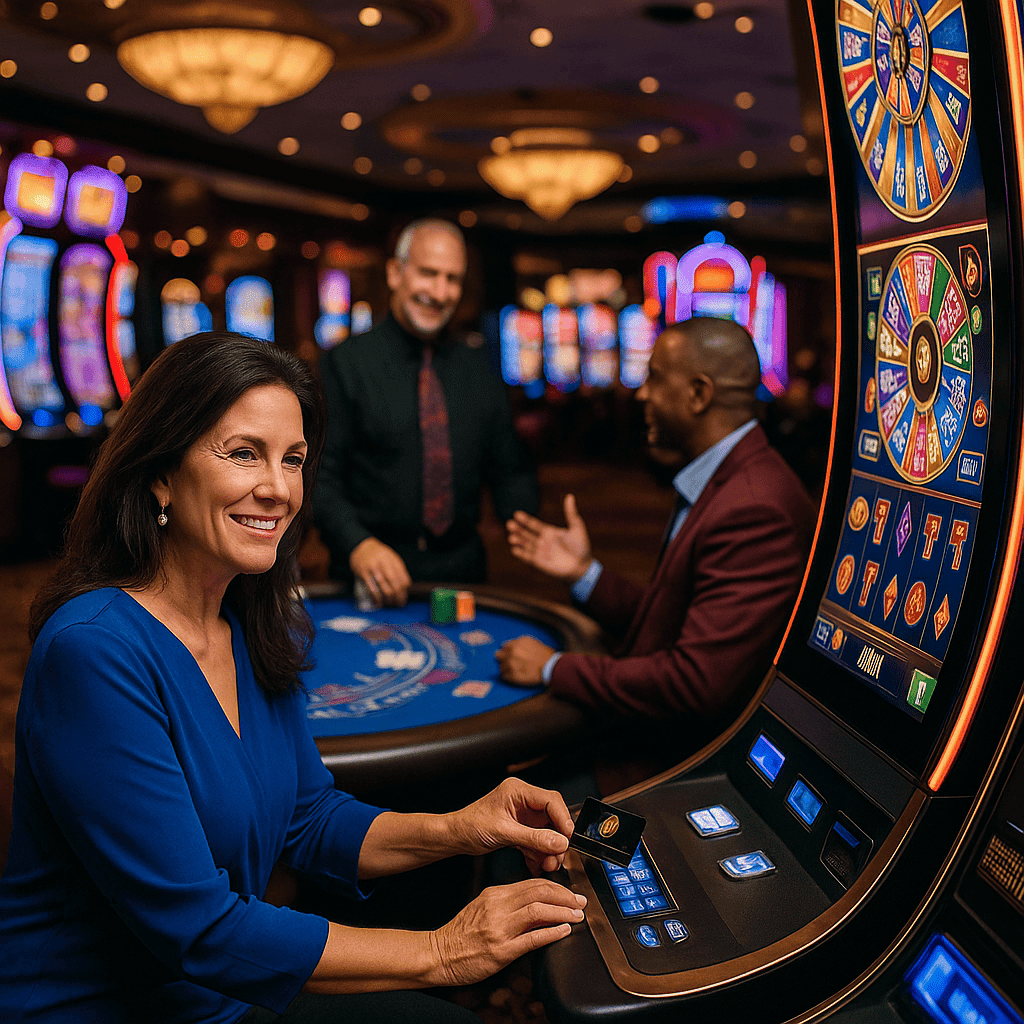
Caesars Entertainment, historically known as Harrah’s, pioneered a data-driven loyalty strategy that used customer insights to personalize offers and service across gaming, hotel, dining, and entertainment.

Rather than compete with flashier resorts, the company built a unified view of the guest, tested targeted incentives, and scaled what worked.

The result was higher retention, greater share of wallet, and a loyalty platform that became a durable competitive moat.

This case shows how customer insight, experimentation, and thoughtful personalization can outperform spectacle while respecting customer comfort and privacy.

Company Involved

Caesars Entertainment (originating as Harrah’s, where the loyalty and personalization playbook began)

Marketing Topic

  • Personalization
  • Customer Experience
  • Loyalty Strategy

Public Reaction or Consequences

Customers adopted the program at scale and responded to relevant perks, which deepened loyalty and cross-property engagement. Industry press and business schools highlighted the approach as a model for turning data into measurable marketing impact. Caesars also discovered that personalization has limits. When interactions felt overly intimate, some guests perceived it as intrusive. The company pulled back those touches and emphasized transparency and comfort. Overall, the program delivered strong business results while reinforcing that trust is foundational to long-term loyalty.

Why It Matters Today

• Customer insight plus experimentation can beat expensive acquisition tactics.

• A unified profile enables targeted incentives that lift incremental behavior.

• Personalization works best with clear value exchange, consent, and restraint.

• The playbook endures. Caesars continues to evolve personalization with mobile experiences and AI while keeping loyalty at the core.

3 Takeaways

1. Build a single view of the customer across all touchpoints and measure lifetime value, not one-off transactions.

2. Test everything. Use experiments to find the right offers for the right segments and scale only the winners.

3. Personalize with care. Aim for relevance that feels helpful, not invasive. Protect privacy and give customers control.

Notable Quotes and Data

“When your loyalty card is listed in someone’s obituary, I would maintain you have traction.” Gary Loveman on the depth of loyalty created by the program.

A mid-decade analysis reported Caesars increased its share of customer gaming spend from roughly 36 percent to about 45 percent after scaling its loyalty and data strategy.

Modern tests with AI optimized campaign language and lifted email engagement by double digits, signaling ongoing gains from iterative personalization.

Full Case Narrative

Background and context. In the 1990s and early 2000s, Harrah’s did not compete on mega-resorts or grand spectacles. Guided by Gary Loveman, the company chose to compete on analytics, loyalty, and service. A unified program captured play, stay, dining, and entertainment behaviors and tied them to a single customer identity. The move reframed marketing from giveaways to evidence-based incentives that influenced behavior.

What the company did. The team built a nationwide loyalty program, later known as Total Rewards, to enroll guests at every property and earn points across the portfolio. Data revealed that consistent mid-tier guests drove the majority of revenue. Caesars tested targeted offers for segments and measured lift against controls. Modest, well-aimed incentives often beat expensive bundles. The program encouraged cross-property travel by honoring tiers and benefits everywhere, increasing visit frequency and total enterprise value.

Why they did it. Competing on amenities was costly and easy to copy. Caesars focused on profitable customer behavior. By quantifying theoretical worth and measuring response to offers, marketing spend moved from guesswork to return on investment. The unified program unlocked cross-sell opportunities and created switching costs as members accrued status and points they did not want to abandon.

What happened next. Results included higher retention, more cross-property visitation, and a clear share-of-wallet lift. The database became a strategic asset that shaped acquisitions and integrations. Later, as the company rebranded as Caesars Entertainment, the loyalty platform remained central. The program was renamed Caesars Rewards and continued to grow to tens of millions of members worldwide.

Reflection and analysis. The playbook worked because it combined strong data foundations, a culture of experiment and learn, customer-centric service, and disciplined ROI. The company also learned the boundary between helpful and creepy. Personalized touches that referenced sensitive history were toned down in favor of value-forward, opt-in experiences. In the 2010s and 2020s, Caesars extended the model through mobile messaging, a virtual concierge, and AI-assisted creative testing, showing that the core strategy adapts as channels and tools evolve.

Timeline

• Late 1990s to early 2000s: Harrah’s scales a nationwide loyalty program, later branded Total Rewards. A test and learn culture takes hold.

• Mid 2000s: Acquisition of Caesars accelerates portfolio reach. Loyalty and analytics expand across more properties with measurable share-of-wallet gains.

• 2010: Corporate name changes to Caesars Entertainment. Loyalty strategy remains core.

• 2019: Total Rewards rebrands to Caesars Rewards and continues global expansion.

• Late 2010s to 2020s: Mobile, virtual concierge, and AI-assisted optimization extend personalization while loyalty stays central.

What Happened Next?

Caesars Rewards remains the connective tissue across casinos, hotels, and entertainment brands, encouraging members to keep activity within the network. New channels and capabilities have been layered onto the same foundation. The company positions personalization as a value add and continues to calibrate for comfort, clarity, and trust in an era of stronger privacy expectations.

One Sentence Takeaway

Caesars showed that the safest bet is not a bigger spectacle but smarter personalization that earns loyalty, grows lifetime value, and respects the customer.

Sources and Citations

Data Asset in Action: Harrah’s Solid Gold CRM (open textbook overview of strategy, quotes, and metrics)

Caesars Entertainment sees engagement lift from AI optimized email language

Caesars Rewards launch announcement and scale

Ivy virtual concierge rollout and satisfaction impact

Unifying analytics across merged properties to support loyalty strategy

Case Study: Caesars Bets on Data and Wins Big with Personalization Read More »

case study sephora vr and ai

Case Study: How Sephora Leads the Beauty Industry with Virtual Reality and AI

Reading Time: 5 minutes

Brief Summary

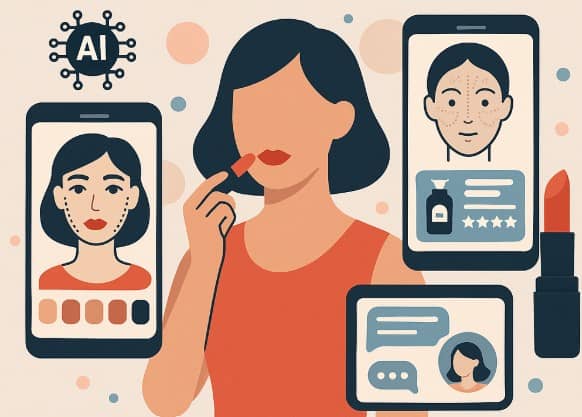
Sephora has deployed augmented reality and artificial intelligence tools such as Virtual Artist, Color IQ, AI skin diagnostics, chatbots and virtual try-ons to give customers personalized, immersive beauty experiences.

These tools have helped Sephora boost confidence, reduce product returns, improve shade match accuracy, and kept it ahead of competitors in the digital beauty space.

The innovations show how blending technology with retail can create competitive advantage.

Company Involved

Sephora

Marketing Topic

  • Customer Experience
  • Strategy
  • Product Positioning

Public Reaction or Consequences

Customers have generally responded very positively to Sephora’s VR and AI tools. Many users appreciate being able to virtually try on makeup, see realistic foundation matches, and get skin diagnostics without guesswork. These tools are often cited in reviews and social media as reducing friction in online shopping and improving confidence in buying decisions. The media has praised Sephora’s innovations as industry-leading. However there have also been challenges in terms of accuracy (lighting, device differences), inclusivity (shade ranges), privacy concerns around image uploads, and ensuring in-store versions of technology are up to par with digital.

Why It Matters Today

Sephora’s approach matters because:

  • Consumer expectations for personalization are rising, especially for inclusive shade matching and skincare recommendations.
  • Virtual try-ons and AI diagnostics reduce risk for consumers, especially post-COVID where in-person sampling may be less comfortable.
  • Competing retailers are also investing heavily in digital tools; staying ahead can drive loyalty, conversion, and operational efficiencies.
  • Privacy, diversity and ethical AI are key trends: being accurate, inclusive, transparent matters.

3 Takeaways

  1. Invest in accurate, inclusive shade matching: tools like Color IQ that handle depth, undertone, saturation make a difference in customer trust and loyalty.
  2. Omnichannel digital-physical integration is essential: virtual try-ons, AR mirrors, diagnostic tools must work both online and in stores to deliver full value.
  3. Transparency, user feedback, and iteration are key to overcoming challenges around technology limitations, privacy, and shade inclusivity.

Notable Quotes and Data

  • “Since its launch, Sephora stores have generated 14 million Color IQ matches.”
  • “By 2018, within two years of launching the app, Sephora Virtual Artist saw over 200 million shades tried on, and over 8.5 million visits to the feature.”
  • “Sephora tells Digital Commerce 360 that its new Color IQ technology—which launched in September 2021—accounts for depth, undertone, and saturation to recommend the best products that closely match customers’ skin tones.”

Full Case Narrative

Sephora’s journey into artificial intelligence and virtual reality reflects its broader strategy of using technology to enhance customer experience. For years, buying beauty products meant trial and error: guessing foundation shades, experimenting with lipsticks, and relying on in-store testers. Sephora saw an opportunity to solve these pain points with data, computer vision, and augmented reality. The company introduced several major initiatives that now define its reputation as an innovator in beauty retail.

Color IQ: Launched in 2012 in partnership with Pantone, Color IQ was Sephora’s first major step into precision technology. The handheld device scanned a customer’s skin to generate a unique color code that corresponded to the best matching foundation shades across Sephora’s vast catalog. Later updates added the ability to measure undertone, depth, and saturation, which made the system even more accurate. Customers loved that it solved one of the biggest frustrations in makeup shopping: buying the wrong shade. While Ulta and other competitors later introduced virtual matching tools, Sephora’s combination of in-store technology and Pantone’s scientific rigor gave it credibility. The challenges were practical ones: device calibration, rolling it out across hundreds of stores, and ensuring inclusivity for all skin tones.

Virtual Artist: In 2016, Sephora unveiled its Virtual Artist app, which let customers try on lipsticks, eyeshadows, foundation, and even false lashes using augmented reality. The feature exploded in popularity, generating more than 200 million virtual try-ons within two years. Customers enjoyed experimenting with shades they might not have tried in store, while Sephora benefited from lower return rates and higher conversion. Still, AR technology has its limits: differences in lighting, camera quality, and skin undertones sometimes reduced realism. Ulta launched GLAMlab in response, but Sephora kept an edge by constantly updating the app, adding tutorials, and bringing the experience into physical stores via kiosks.

AI-Driven Skin Diagnostics: Building on these successes, Sephora introduced Smart Skin Scan and other AI-powered tools that analyze customer selfies to detect skin concerns such as dryness, texture, or fine lines. The system then recommends tailored skincare routines, bringing dermatologist-style guidance directly to shoppers’ smartphones. This empowers customers to make more confident choices and drives product sales. However, challenges include ensuring accuracy across diverse skin tones, safeguarding privacy with image uploads, and managing user expectations. Competitors like L’Oréal’s ModiFace offer similar tools, but Sephora stands out by integrating diagnostics with its loyalty program and vast product inventory.

Chatbots and Virtual Beauty Assistants: To complement AR and AI tools, Sephora added chatbots to its app and messaging platforms. These virtual assistants answer questions, suggest products, and even book in-store services. While less glamorous than Virtual Artist, they deliver practical value by giving customers immediate access to advice. Natural language limitations sometimes frustrate users, but the service reflects Sephora’s strategy of meeting shoppers wherever they are—online, in-app, or in-store.

Taken together, these initiatives show Sephora’s willingness to invest early in technology that directly enhances the shopping journey. The company has faced challenges in scaling devices, ensuring inclusivity, and maintaining realism in virtual tools, yet it consistently improves based on feedback. Compared to Ulta and L’Oréal, Sephora’s competitive advantage lies in integrating these innovations into a seamless omnichannel experience. This positions the brand as not just a retailer but a digital beauty advisor, reinforcing its leadership in a rapidly evolving industry.

Comparisons to Competitors

  • Ulta Beauty has its own AR tool, GLAMlab, and has acquired AI firms like QM Scientific to improve personalization. Ulta also experiments with virtual hairstyle try-ons and AI assistants, though the variety of price tiers across its catalog makes consistent matching more difficult.
  • L’Oréal owns ModiFace, the AR and AI technology that powers many beauty brands’ try-on features. Its strength lies in research and scale, but Sephora differentiates through its retail presence, Pantone-based device tech, loyalty integration, and direct customer experience.

Timeline

  • 2012: Sephora launches Color IQ in U.S. stores with Pantone partnership.
  • 2015: Expansion to Lip IQ and Concealer IQ services.
  • 2016–2017: Virtual Artist adds thousands of products, expert looks, and tutorials.
  • 2021: Color IQ algorithm updated to include depth, undertone, and saturation.
  • 2023–2025: Ongoing rollout of Smart Skin Scan, AR mirrors, and enhanced app integrations.

What Happened Next?

Sephora continues to expand and refine its VR and AI tools. Virtual Artist and Smart Skin Scan are now deeply integrated into its app and website, while in-store kiosks bring digital experiences to physical locations. The company is actively working on inclusivity in shade matching, improving diagnostic accuracy, and ensuring consistency across devices. With competitors narrowing the gap, Sephora must keep innovating on transparency, privacy, and user experience to stay ahead.

One Sentence Takeaway

Sephora proves that combining AR and AI with inclusivity, accuracy, and omnichannel design can transform customer trust and loyalty into long-term competitive advantage.

Sources and Citations

Sephora Smart Skin Scan—official page

Digiday article on Color IQ loyalty and shade matching

Cut-The-SaaS on Virtual Artist usage data

Digital Commerce 360 on updated Color IQ algorithm

Glossy on Ulta AI tools

Tatler Asia on AI in beauty brands including Sephora and L’Oréal

BrandXR report on AR mirrors

Case Study: How Sephora Leads the Beauty Industry with Virtual Reality and AI Read More »