google vs bing organic sessions

Bing First, Google Later: A Real SEO Growth Pattern for New Websites

Reading Time: 5 minutes

If you are building a newer website and you are doing the work, publishing consistently, improving your web pages, and watching your traffic slowly climb, you might still feel uneasy when you look at one number.

Google organic sessions.
That one number.

Meanwhile, Bing is showing real growth and sometimes it is not even close. You might see Bing sending two, three, even four times the organic traffic that Google sends. That can feel backwards, especially when Google dominates search market share and everyone talks about ranking on Google like it is the only thing that matters.

Here is the surprise. For many newer websites, this is normal. It can even be a good sign.

This is a growth pattern I have seen on my own website over time: Google tends to show up first as a trickle, then Bing often accelerates earlier as your content base grows, and Google frequently follows later once trust and authority catch up.

A quick clarification: Chrome is not the same thing as Google Search

When people say “Google,” they sometimes mean the Chrome browser. But the traffic trend we are talking about here is not about browsers. It is about search engines and how they rank and send visits.

You can use Chrome and still search on Bing. You can use Edge and still search on Google. SEO performance is tied to the search engine index, not the browser.

What my own data shows over time

The image below shows my organic sessions by month, broken out by search engine source.
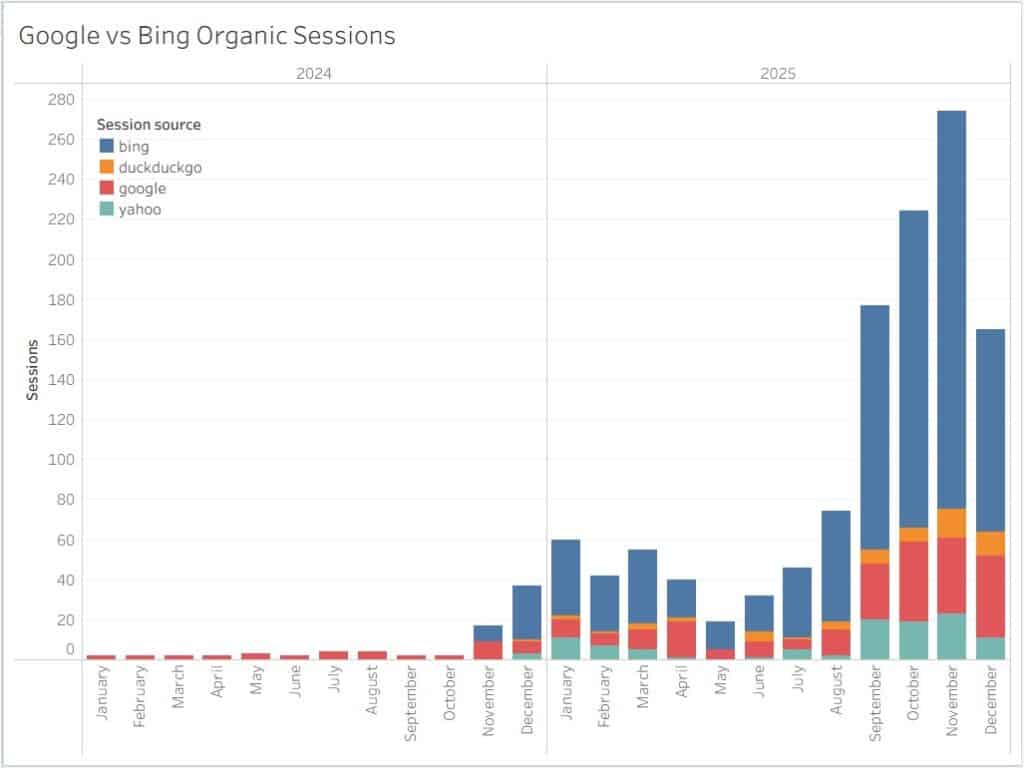
Notice the inflection after November 2024, when consistent publishing began, followed by Bing accelerating ahead of Google.

What I find interesting is the pattern.

In the earliest months, the only organic traffic I saw came from Google. Later, Bing began showing up, then it accelerated quickly and became the dominant organic source for long stretches. Google continued to grow too, but at a slower pace.

That sequence is important because it helps newer website owners understand what “normal” can look like before they assume something is broken.

Methodology and timing context

The chart in this post is based on organic session data pulled from Google Analytics (GA4), grouped by search engine source on a monthly basis, without paid traffic or referral sources included. While the website existed before this period, November 2024 is the point when I began actively and consistently publishing content and improving internal structure. Prior to that, organic traffic was minimal and largely incidental. The months that follow reflect the impact of sustained content activity rather than a one-time change, which is why the shift in search engine behavior after November 2024 is the most meaningful part of the trend.

The three phases of early SEO growth

This pattern is not theoretical. It reflects how search engines respond as a website moves from existence to consistency. If you are in your first year or two, this is a useful way to think about the journey.

Phase 1: Google appears first, but it is often shallow

Early Google organic traffic is frequently driven by navigational behavior. That might include you searching for your own content, friends and coworkers looking up the website after you share a link, or a small number of branded and semi-branded queries.

This is still progress, but it is not always a signal that you are ranking broadly yet.

Phase 2: Bing begins to reward your growing content base

Once your website reaches a certain threshold of content depth and consistency, Bing often begins ranking pages for non-branded queries more aggressively. This is where many websites start seeing meaningful organic discovery for the first time.

Phase 3: Google follows later as trust catches up

Google often increases visibility in steps rather than in a smooth line. As your website earns more authority signals over time, Google tends to widen exposure, and the gap can narrow.

Why Bing and Google reward progress on different timelines

Here is the simplest way to think about it.

Bing tends to reward relevance faster.

Google tends to reward trust later.

That does not mean Google ignores relevance. But for many newer websites, Google is more cautious and often wants stronger authority signals before it fully increases visibility.

What the Bing-led phase usually means

If you are seeing organic growth from Bing, and Google is also moving upward but at a smaller scale, you can often interpret that as a set of healthy signals.

It commonly means:

1. Your content is being indexed and discovered

If Bing is sending organic traffic, your web pages are being crawled and indexed.

2. Your pages match real queries and real intent

Bing does not send you traffic just because you published. It sends you traffic when your pages answer questions people actually search.

3. Your on-page fundamentals are likely solid

Clear headings, readable structure, descriptive titles, and content that actually addresses the topic matter a lot here.

4. Your technical foundation is probably not broken

Bing traffic is not a technical audit, but it is a reassuring signal that you are not dealing with a catastrophic issue.

Why Google can lag behind for newer websites

Google tends to be more sensitive to signals that look like authority and trust, such as:

1. Quality backlinks from relevant websites

If you are not actively earning mentions and links yet, Google often moves slower.

2. Brand signals and recognition

When people search for your brand name, mention you, or click your results repeatedly, Google learns that your website is not just another anonymous publisher.

3. Consistency over a longer timeline

Two years of consistent improvement is meaningful, but Google frequently rewards longer timelines more heavily, especially in categories like business advice and marketing.

4. Strong topical focus

If your website covers too many topics, Google may take longer to understand what you are truly about.

What would actually be a red flag

A Google versus Bing gap is not automatically a problem. But there are situations where low Google traffic is a signal that you should investigate further.

1. Google organic traffic is near zero after long-term consistency

2. Search Console shows impressions but clicks never improve

3. Google traffic suddenly drops and does not recover

4. You only rank for your own brand name

If none of those describe your situation, a Bing-led phase is usually not an emergency.

What to do if you are in this stage

If your website is growing and you are seeing this pattern, the best move is usually to keep building rather than to overhaul.

1. Keep publishing consistently

2. Strengthen internal linking intentionally

3. Build topical depth instead of random breadth

4. Earn backlinks naturally through visibility and relationships

5. Do not panic and rewrite everything

The takeaway

If your newer website is seeing Google first, then Bing accelerating and leading, do not assume something is broken.

For many websites, Bing becomes an early indicator of meaningful non-branded traction, while Google is still building confidence in the website. Over time, Google often follows as authority and trust catch up.

Keep publishing, keep improving, and treat the trend line as feedback, not judgment.

Over time, the most interesting part of this pattern is not when Google catches up, but what you have already built by the time it does.

Bing First, Google Later: A Real SEO Growth Pattern for New Websites Read More »

wordpress mistakes i made

10 WordPress Lessons I Wish I Knew Before Launching My Website

Reading Time: 4 minutes

WordPress makes it easy to launch a website. What it does not make easy is knowing which decisions matter long term.

I have built hundreds of web pages, tested countless plugins, migrated hosts, broken things, fixed things, and learned many of these lessons the hard way.

This post is a collection of WordPress mistakes I personally made so you do not have to repeat them.

If you are just getting started or even if you are a few hundred posts in, there is likely something here that will save you time, money, or frustration.

1. Pages versus posts

Out of the gate, I was confused about what should be a post versus a web page. I treated them interchangeably, which eventually forced me to use a plugin just to convert content into what it should have been from the beginning.

One thing I did not realize early on is that posts often have a narrower content width than web pages, depending on your theme. That difference matters if you are creating long-form content, comparison tables, calculators, or layouts that need more horizontal space.

Before publishing anything, decide whether the content is time-based and part of a blog, or evergreen and better suited as a web page.

2. There is a plugin for that, but that does not mean you need it

WordPress has a plugin for almost everything, which is both a strength and a trap.

I installed plugins without fully understanding overlap, performance impact, or long-term maintenance. Over time, this led to bloated functionality and slower performance.

Instead of installing plugins impulsively, think in categories and needs. I broke this down more intentionally in a separate post on essential plugin categories for serious websites.

The 10 WordPress Plugin Categories Every Serious Website Needs

3. Theme limitations sneak up on you

It is easy to get dependent on a theme and assume certain features will always be available. Sometimes they are not.

I learned that some themes lock basic functionality behind paid upgrades, even features you might assume are standard. That can leave you paying for things simply because switching later feels painful.

My advice is to push a free theme as far as you can. When you eventually upgrade or purchase a premium theme, you will know exactly what features you truly need.

4. Your host needs to support email

My first hosting platform did not support email at all. That decision quietly blocked growth opportunities.

Launching a newsletter, sending transactional messages, or even managing basic website-related communication became unrealistic until I moved my website to a different host.

Email support may not feel important on day one, but it becomes critical much sooner than most people expect.

5. Host support quality matters more than pricing

There are plenty of lifetime hosting deals available, and there is nothing inherently wrong with choosing one.

The tradeoff is support. If you choose a low-cost or lifetime host, do not expect hands-on help or fast response times when things break.

Support quality and response time directly impact how quickly you can fix issues, restore backups, or troubleshoot problems that affect your website.

6. Backup storage adds up fast

Backup plugins can create massive files, especially when images, videos, and multiple versions of content are involved.

I underestimated how quickly backups would eat into hosting storage limits. This becomes a real issue if backups run automatically and are stored on the same server.

Before choosing a backup solution, understand file size, retention rules, automation options, and where those backups are stored.

7. Images and videos deserve a system

Early on, I had no consistent approach to image naming, formats, storage location, or optimization. That mistake compounds over time.

Decisions like PNG versus JPG, image dimensions, compression, version control, and where media is stored all affect performance and backup size.

The biggest miss for me was not understanding featured images. I did not fully grasp their importance until I was more than 250 web pages into my website.

Featured images matter for internal search, external search previews, social sharing, category listings, and user scanning behavior. Every post and blog web page should have one.

8. It is okay not to have a perfect strategy

I spent too much time worrying about a master plan instead of taking the next step.

WordPress allows you to test, refine, and evolve. Publish content, look at your data, and adjust based on what you learn.

Momentum matters more than perfection.

You also have to remember that you see your website far more than anyone else ever will. Just because you are starting to feel bored with how it looks or think it needs a refresh does not mean your visitors feel the same way. Most people are not evaluating design choices or novelty. They just want value. It is your website, so only you care that your baby is pretty. Everyone else cares that it helps them.

9. Hello World does not matter

No one cares about your first post. That is not an insult, it is freedom.

Consistency, patience, and promotion matter far more than any single article. Content does not magically get discovered just because it exists.

Commit to publishing and promoting for at least a year. Fall in love with the process, not the immediate results.

10. Internal linking is not optional

Internal linking is one of the most overlooked parts of WordPress websites.

New content should intentionally link to existing content, and existing content should be updated to link forward where relevant.

Related posts within the same category help readers continue their journey and help search engines understand how your content connects.

Your internal linking structure should not look like a collection of islands. It should clearly communicate relationships and topical depth.

Launch your website with internal linking in mind and treat it as an ongoing process, not a one-time task.

10 WordPress Lessons I Wish I Knew Before Launching My Website Read More »
2025 goodreads 01

Best Marketing and Business Books in 2025

Reading Time: 3 minutes

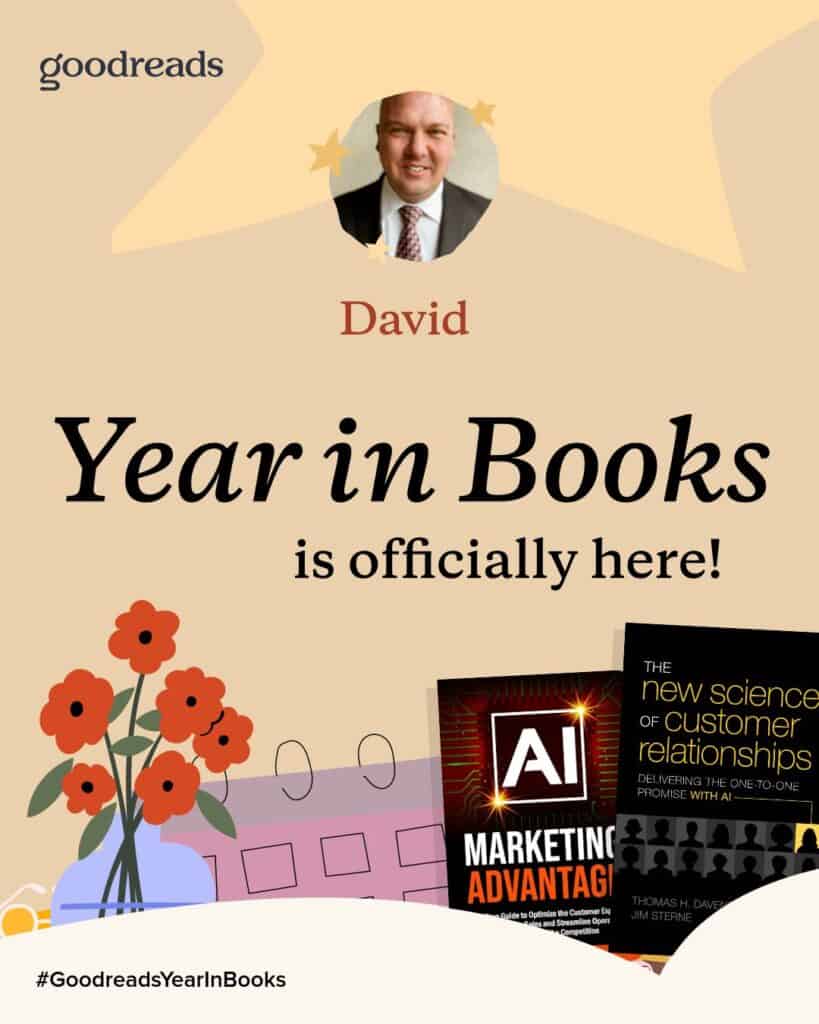
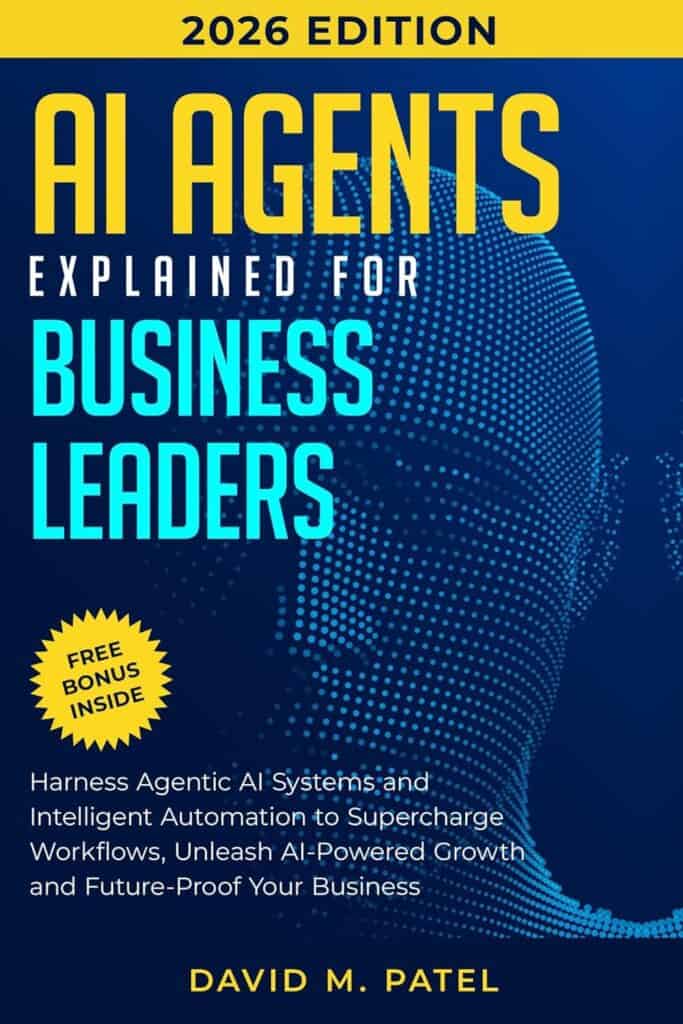
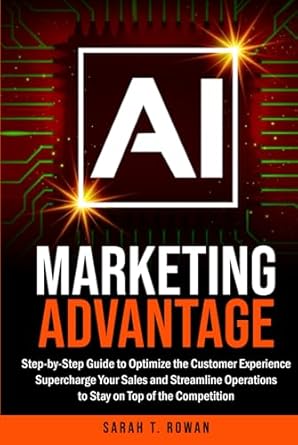
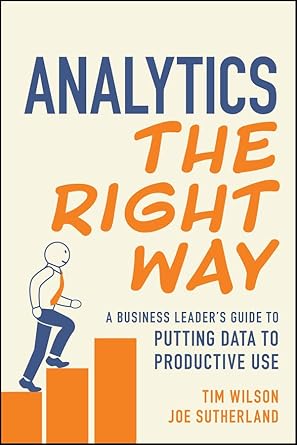
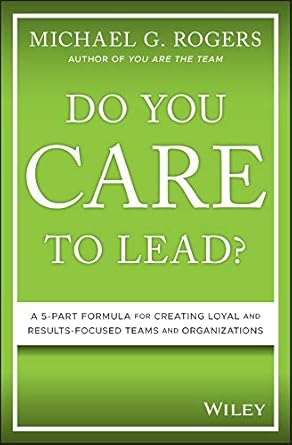
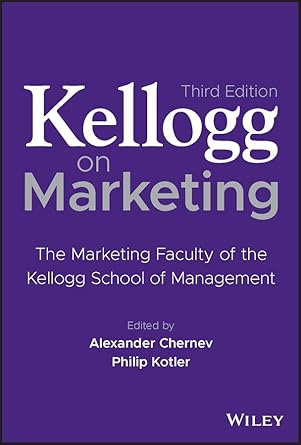
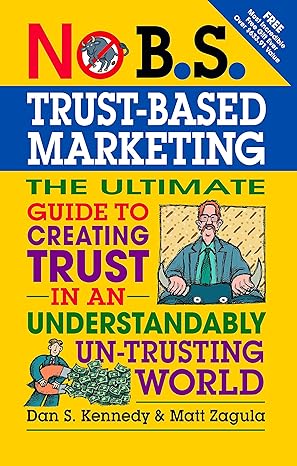
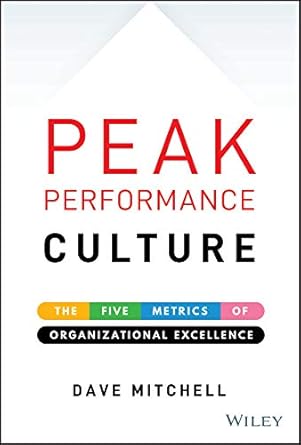
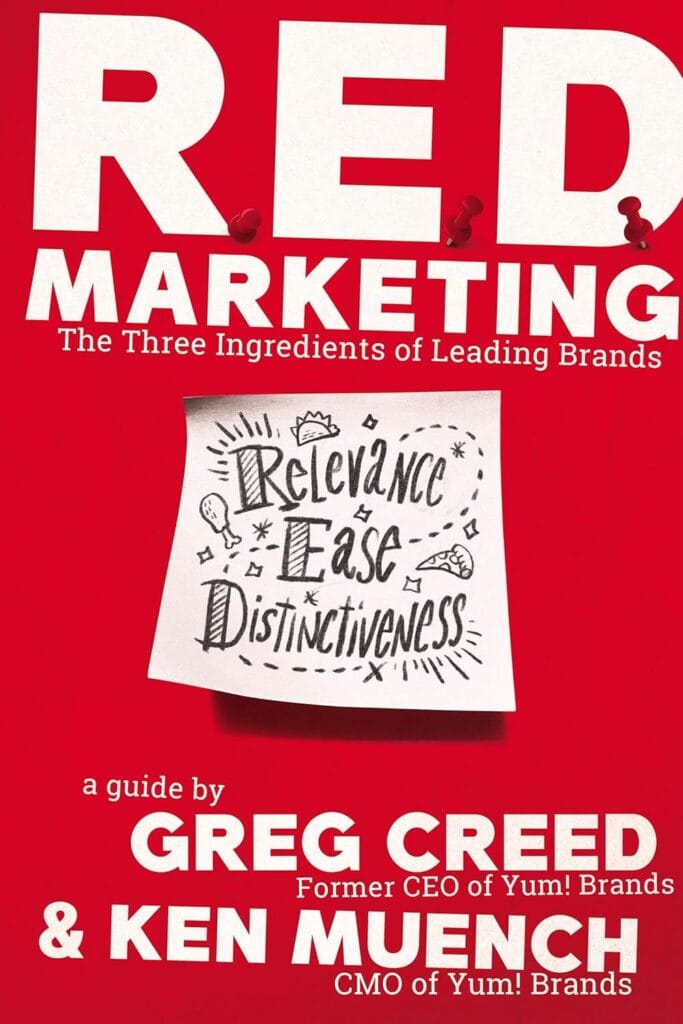
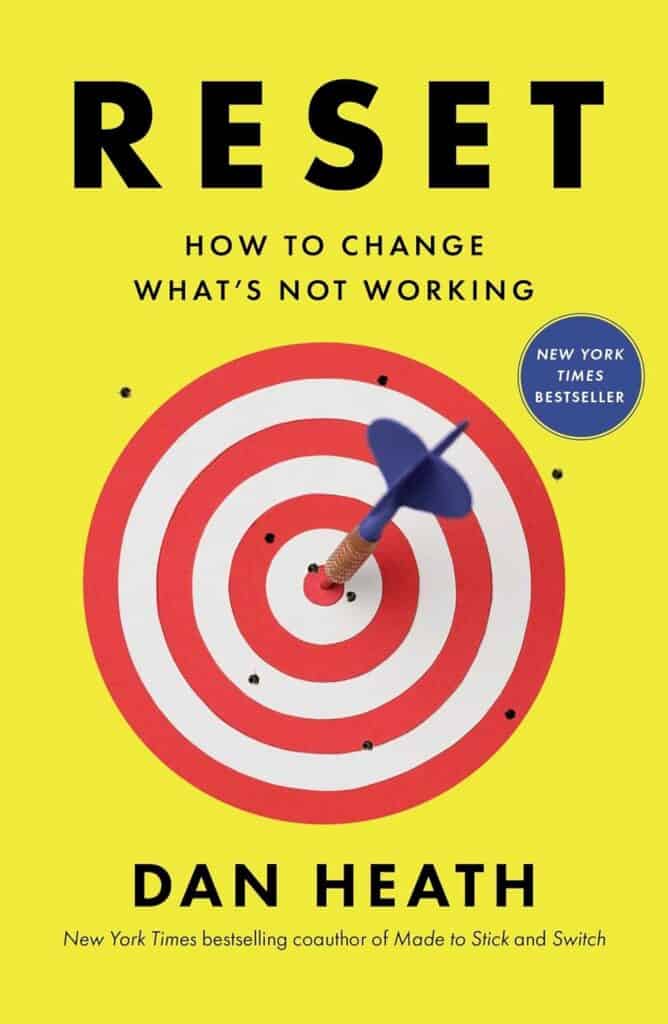
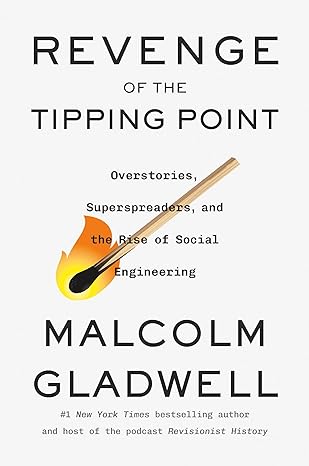
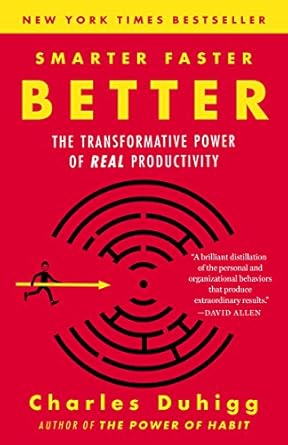
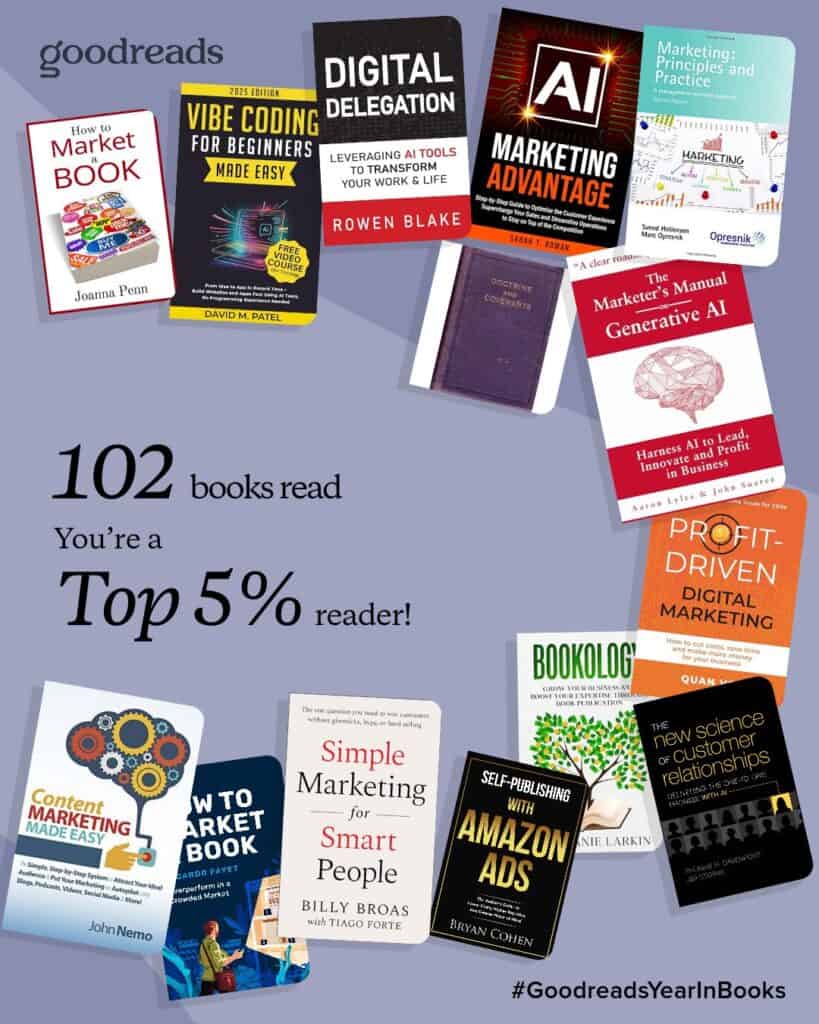
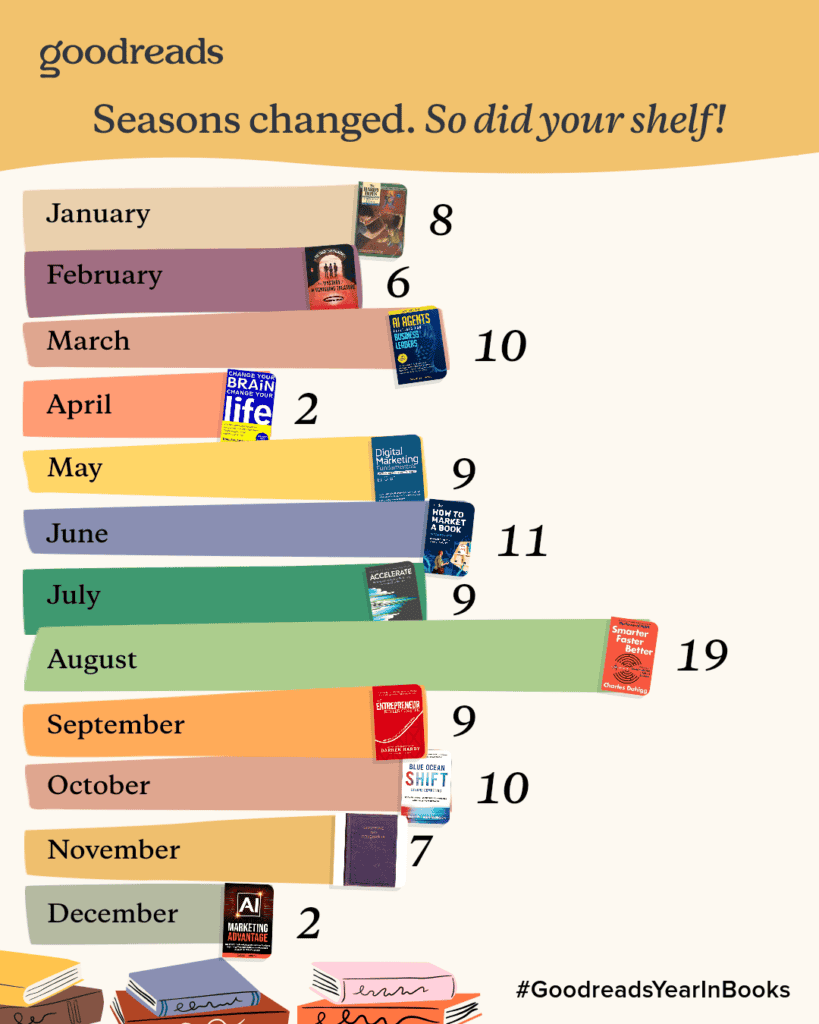
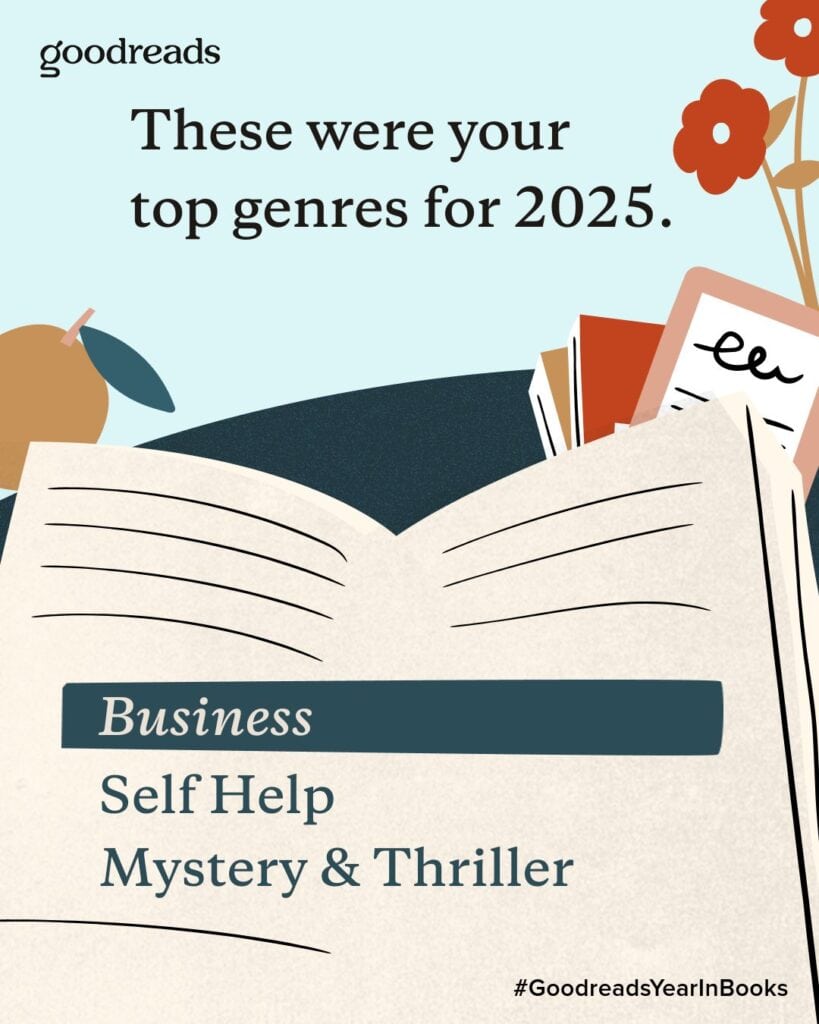
This web page highlights the 21 marketing and business books I read in 2025 that earned a five-star rating. These books focus on topics like marketing strategy, customer experience, leadership, data, analytics, and emerging technology, and they reflect the ideas and frameworks I found most useful throughout the year. The list below includes the full set of five-star reads, along with cover images and links for easy reference.

Goodreads Year in Review

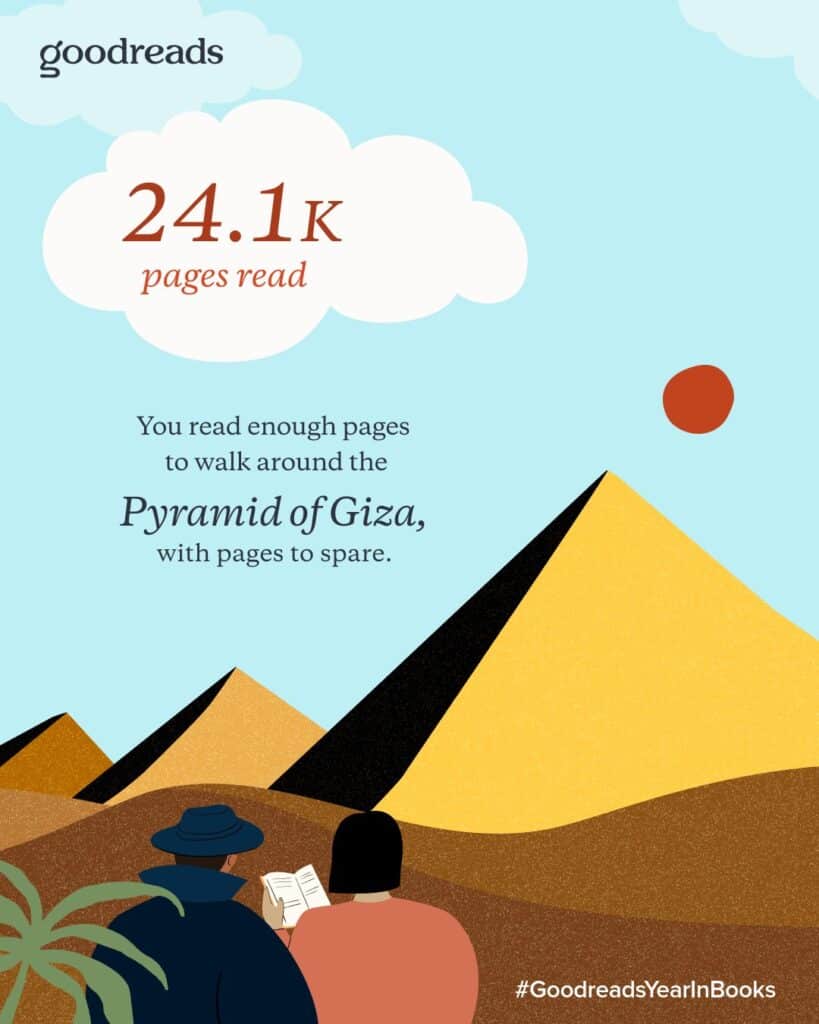
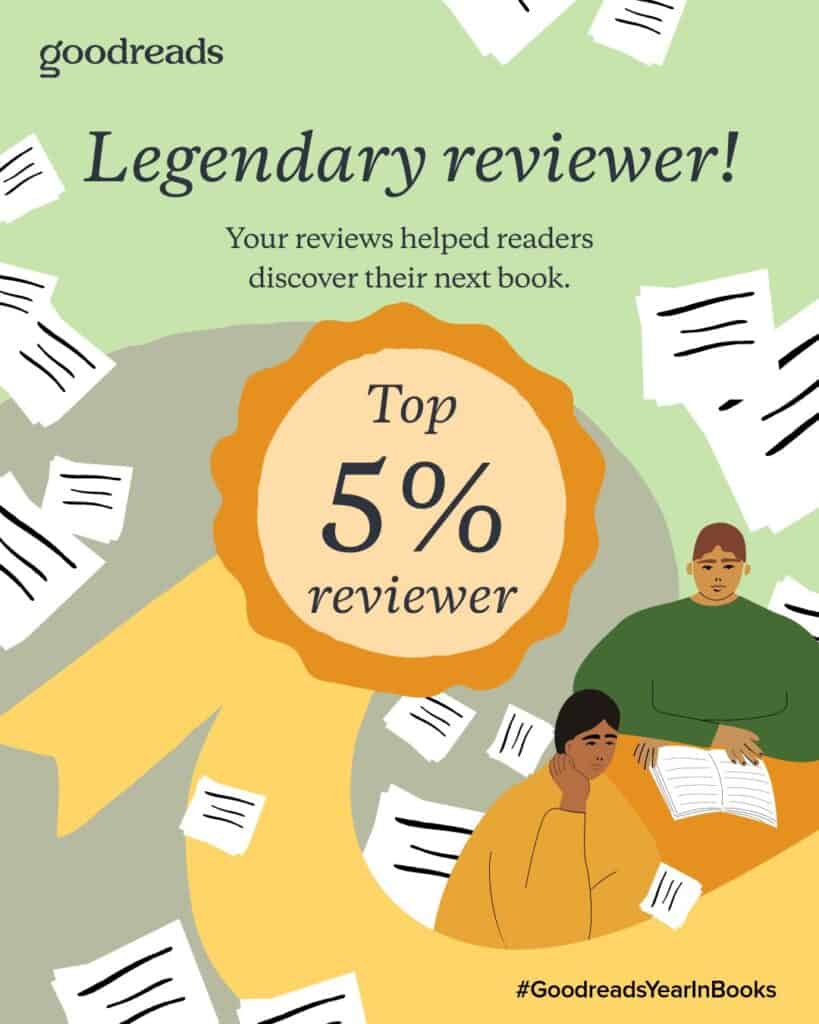
Below is my Goodreads Year in Review for 2025. It provides a quick snapshot of my reading volume, habits, and the types of books I spent the most time with throughout the year.

Best Marketing and Business Books in 2025 Read More »

case study got milk campaign

Case Study: Got Milk? When Awareness Does Not Equal Consumption

Reading Time: 11 minutes

Brief Summary

In the early 1990s, America’s dairy industry faced declining milk consumption despite decades of “good for you” advertising.

Enter “Got Milk?”, a 1993 ad campaign that flipped the script by humorously highlighting life without milk. The catchy Got Milk? slogan and milk-mustached celebrities became pop culture sensations, driving 90% awareness in California within two years.

However, while the campaign won awards and imitation everywhere, its impact on actually getting people to drink more milk was limited.

This case study explores how Got Milk? became a marketing phenomenon, what results it delivered (including a short-term sales bump), and what modern marketers can learn from its creative wins and strategic missteps.

Company Involved

The campaign was led by the California Milk Processor Board (CMPB), a state dairy trade group. They partnered with advertising agency Goodby, Silverstein and Partners to create Got Milk?. Later, the national Milk Processor Education Program (MilkPEP) adopted the slogan for nationwide use, extending the campaign’s reach.

Marketing Topic

  • Advertising
  • Branding
  • Consumer Behavior

Public Reaction or Consequences

The public’s reaction to Got Milk? was overwhelmingly positive. The ads struck a chord by humorously depicting people stuck with cookies or cereal and no milk, a “deprivation” strategy instantly relatable to millions. The 1993 “Aaron Burr” TV spot became an award-winning hit, and within months “Got Milk?” entered the cultural lexicon. By the mid-90s, 91% of U.S. adults recognized the campaign. The slogan spawned countless parodies (“Got [Anything]?”) and merchandise. Mattel even released a special-edition Got Milk? Barbie in 1995, reflecting how the campaign turned a humble beverage into a pop culture icon.

However, popularity didn’t immunize Got Milk? from criticism or unintended consequences. The California Milk Board occasionally pushed the edgy humor too far. In 2011, a spin-off campaign suggesting milk could relieve PMS symptoms (taglined “Everything I do is wrong”) backfired badly. It featured hapless men offering milk to irritable women and was widely slammed as sexist. The public outcry forced the ads to be pulled within weeks, and the Board issued apologies on a “Got Discussion?” site. Additionally, animal-rights groups like PETA lampooned Got Milk? with guerrilla spoofs (e.g. “Got Pus?”) to protest dairy, prompting CMPB to threaten legal action. These episodes showed that even beloved campaigns can misstep and face backlash when messaging misses the mark.

Most notably, despite Got Milk?’s fame, Americans didn’t significantly increase their milk intake in the long run. The campaign coincided with powerful shifts in consumer habits. The rise of soft drinks, juices, and later almond and oat milks cut into milk’s market. Through the 1990s and 2000s, per-capita milk consumption continued a decades-long slide. This disconnect between ad recognition and behavior ultimately led the industry to rethink its strategy.

Why It Matters Today

  • Power vs. Limits of Branding: Got Milk? proves a campaign can achieve viral cultural status and still struggle to change consumer behavior. Modern marketers must balance creative branding with strategies that drive actual usage or sales, especially when facing broader lifestyle trends.

  • Adapting to Consumer Trends: This case highlights the need to pivot messaging as consumer preferences evolve. Dairy promoters eventually shifted from whimsical deprivation ads to nutrition-focused appeals (the 2014 “Milk Life” protein campaign) and even TikTok challenges in 2020. Effective marketing today demands agility and awareness of health trends, social media, and new consumer values.

  • Brand Equity and Beyond: Got Milk? shows how a great slogan can transcend its original campaign. The tagline became a licensable asset, featured on Oreos, Barbies, and t-shirts, generating over $10 million in licensing revenue for the milk board. Marketers can learn to leverage intellectual property and partnerships to extend a campaign’s life and impact.

3 Takeaways

  1. An Iconic Slogan Isn’t a Strategy: Catchy slogans and funny ads alone won’t guarantee sustained sales. Marketing must connect to product consumption (in this case, getting people to actually drink milk), not just win attention. Always tie campaign success metrics to real behavior change, not just awareness.

  2. Adapt or Lose Relevance: Even legendary campaigns must evolve. Got Milk? thrived when it tapped cultural moments and consumer insights, but it faltered when it failed to address changing diets and attitudes. Marketers should continually monitor trends (health, convenience, social media) and update their messaging to stay relevant.

  3. Build a Brand, Not Just an Ad: Got Milk? turned a commodity into a cultural talking point and even a brand in its own right. By co-branding with food partners and merchandising the slogan, the campaign added value beyond ads. The lesson: great marketing can create enduring brand assets, but those assets work best when leveraged alongside product innovation and customer experience improvements.

Notable Quotes and Data

  • “First sales increase in 10+ years:” In 1994, California’s milk sales increased for the first time in over a decade, reaching 755 million gallons sold (up from 740 million in 1993). The Got Milk? launch is credited with halting what had been a steady decline in milk demand.

  • Cultural saturation: By the mid-1990s, 91% of U.S. adults were familiar with the Got Milk? campaign, an astonishing level of awareness for a commodity product. More than 300 celebrities, from supermodels to cartoon characters, eventually donned the famous milk mustache in ads.

  • Consumption kept falling: “Got Milk?” didn’t actually get people to buy more milk. Per-capita milk consumption dropped from about 0.96 cups per day in 1970 to 0.59 cups by 2011. The ads were popular, but Americans kept reaching for soda, juice, and later soy and almond milk alternatives for various lifestyle reasons.

Full Case Narrative

Background: By 1993, milk was in crisis. For decades, U.S. dairy producers had poured money into generic “milk is good for you” advertising, only to watch consumers drift to Coca-Cola, Snapple, sports drinks and other beverages. In California, the nation’s #1 dairy state, per-capita milk consumption had plummeted from 29 gallons a year in 1980 to 23 gallons by 1993. Annual milk sales were declining 3 to 4% and the usual health-based ads weren’t working. The newly formed California Milk Processor Board (a consortium of dairy processors) realized they needed a bold new approach or risk “losing the farm.” Their goal was simple but daunting: stop the bleeding and get people drinking milk again.

The Big Idea: CMPB hired Jeff Manning as executive director and tapped Goodby, Silverstein and Partners, a creative San Francisco ad agency, to reimagine milk marketing. Through research, the team uncovered a key insight: nearly everyone already believed milk was healthy. The problem was they still weren’t drinking more. They noticed that milk is almost always consumed with foods (cereal, cookies, peanut butter and jelly), and people only really crave milk when they run out at the worst time. This led to the “milk deprivation” strategy: instead of extolling milk’s virtues, dramatize how awful life is without it.

The agency brainstormed a simple, cheeky question to capture that feeling: “Got Milk?”. In October 1993, the first Got Milk? TV commercial, “Aaron Burr,” aired in California. Directed by a young Michael Bay, the ad showed a history buff failing to answer a $10,000 trivia question on-air because a mouthful of peanut butter made him choke out “Aaron Burr” unintelligibly, and he has no milk to wash it down. The absurd humor and cinematic flair grabbed viewers’ attention. Got Milk? had entered the chat.

Marketing Blitz: The Aaron Burr ad was an instant hit, winning a Clio Award and rave reviews in early 1994. Building on that momentum, CMPB rolled out a blitz of “deprivation” scenarios in TV and print. One memorably dark-humored spot (“Heaven”) showed a man in a cookie-laden heaven that turns out to be hell because all the milk cartons are empty. Another parodied Citizen Kane with a tycoon desperately searching for an Oreo dunked in milk. Every ad ended with that stark “Got Milk?” on screen. Meanwhile, print ads simply showed enticing foods (cookies, cake, cereal) minus milk, letting viewers feel the thirst.

The Got Milk? team also measured everything. They set aside the usual “attitude awareness” surveys and instead tracked actual milk usage in thousands of households. By 1995, the data was promising: awareness of Got Milk? hit 90% in California, household milk-buying rates stopped falling, and people reported using milk more frequently. Indeed, 1994 milk sales ticked up in California for the first time in over ten years. The campaign appeared to be delivering on its objective of stabilizing demand, at least regionally.

Beyond sales, Got Milk? achieved marketing nirvana: it became cool. The slogan went viral (pre-social media) purely via news and word-of-mouth. Newspapers and TV shows talked about the clever ads. “Got milk?” turned into a catchphrase used and abused by anyone with something to sell, from bumper stickers to t-shirts. The California Milk Processor Board shrewdly capitalized on the craze by licensing the tagline. Starting in 1995, the national MilkPEP program put “Got Milk?” on its famous milk mustache print ads, recruiting over 300 celebrities (actors, athletes, even Kermit the Frog) to pose with milk moustaches in magazines. CMPB also cut licensing deals with food companies. Nabisco printed “Got Milk?” on Oreo packages, Nestlé put it on Nesquik bottles, and even Barbie dolls sported mini milk cartons with the slogan. By turning the campaign into a licensing brand, the milk board generated millions in extra revenue and kept Got Milk? in the public eye.

Results – Did It Work?: In terms of branding and buzz, Got Milk? was a grand-slam. It ran for over 20 years (1993 to 2014) and nabbed almost every advertising award in existence. The campaign is taught in marketing textbooks as an example of genius positioning, how a simple question made a mundane product culturally relevant. Importantly, Got Milk? did achieve its short-term goal in California: it stopped a freefall in milk sales. The first year, sales volume actually rose about 2%. Over the next several years, the decline in per-capita milk consumption flattened in California, saving an estimated $255 million in potential losses annually that might have occurred without the campaign. Jeff Manning referred to Got Milk? as “the Godfather” of marketing campaigns, one that “helped turn around milk sales” when it mattered.

Nationally, the picture was murkier. Got Milk? certainly boosted milk’s mindshare, by 1996, over 90% of Americans recognized the ads, and many states adopted the slogan through their dairy boards. Yet, actual U.S. milk consumption kept slipping in the long run. From the 1970s to 2010s, Americans steadily drank less milk each decade, due to diversifying beverage choices, rising concerns about calories, and changing breakfast habits. By one measure, per-capita milk intake fell about 25% from 1975 to 2012, despite two decades of Got Milk? advertising. Milk simply had entrenched challenges that witty ads alone couldn’t overcome: competition from colas and later energy drinks, the advent of bottled water and coffee chains, even the decline of breakfast cereal as people grabbed quicker options. In the 2000s, concerns about lactose intolerance and the rise of plant-based milks (soy, almond) further eroded milk’s edge. Thus, while Got Milk? prevented a sharper drop and gave milk a “cool factor” it never had, it ultimately could not reverse the long-term decline in consumption nationwide. As marketing analyst Kirk Kardashian quipped, “Got Milk? didn’t actually get people to buy more milk” in the end.

Keeping It Fresh: To its credit, the Got Milk? campaign continually evolved creatively. By the late ’90s, Goodby Silverstein worried the joke might wear thin if every ad was a predictable “out of milk” gag. They refreshed the approach with new angles. For example, a series set in a dystopian “Town Without Milk” (1997) imagined a bleak world where milk’s absence causes despair. They also targeted younger audiences, producing edgy teen-oriented spots. These ads tested well and kept the campaign feeling inventive. The team embraced co-branding as well. Milk ads started featuring cameos from Oreo cookies, cereal mascots, and even the Sesame Street Cookie Monster, emphasizing milk’s partners in crime. This partnership strategy was ahead of its time. It acknowledged that milk’s best hope was to hitch itself to foods people loved, rather than pretend people would chug plain milk for its own sake. The California board also smartly invested in multicultural marketing. Recognizing that Hispanic families were heavy milk consumers but didn’t relate to the quirky “Got Milk?” humor, they developed Spanish-language campaigns focusing on family and recipes (under slogans like “Familia, Amor y Leche”), which earned praise and bolstered milk usage in those communities.

Not every idea succeeded. Aside from the infamous 2011 PMS campaign debacle, another controversial moment came in 2005 when a Got Milk? ad parodying steroid use in baseball (implying a player’s secret strength was milk) upset Major League Baseball officials. But by and large, Got Milk? maintained a positive image and demonstrated remarkable longevity for a marketing campaign.

Transition – The End of “Got Milk?”: By 2013, after 20 years, milk consumption was still trending down and some in the industry felt Got Milk?, however clever, had run its course. Dairy farmers had actually stopped contributing to the national ad budget years prior, preferring to fund product innovations and partnerships (like putting milk in McDonald’s Happy Meals) that they felt had more direct impact. In early 2014, MilkPEP made a bold move: they retired “Got Milk?” as the national slogan, replacing it with a new campaign called “Milk Life”. The Milk Life ads emphasized milk’s protein and nutrients, showing everyday people powered by milk in energetic scenarios. This shift acknowledged a new reality. Consumers wanted functional benefits (protein for breakfast, etc.), and the milk industry needed to remind them of milk’s nutritional value to compete with protein shakes and plant milks. California, however, held onto Got Milk? for its local marketing, believing the brand equity was too strong to abandon. The original slogan remained active on the West Coast even as “Milk Life” took over nationwide.

Timeline

  • 1993 (Oct): “Got Milk?” campaign launches in California with the famous Aaron Burr TV commercial. The tagline immediately resonates with consumers.

  • 1994: Milk sales in California rise for the first time in over 10 years (up to 755 million gallons from 740 million in ’93). The campaign wins top advertising awards and becomes a pop culture phenomenon.

  • 1995: MilkPEP licenses Got Milk? for a national milk mustache ad campaign. Celebrities from supermodels to athletes pose with milk mustaches in print ads, all bearing the “got milk?” logo. Got Milk? Barbie doll debuts, and the slogan is licensed for use on Oreo cookies and other products.

  • 1997: Amid concerns of ad wear-out, the campaign tests new creative directions (e.g. the surreal “Town Without Milk” series) to keep consumers engaged. By now, Got Milk? is used by dairy boards across the U.S. via licensing.

  • 2011: CMPB’s “Everything I do is wrong” PMS-themed ads spark a public backlash over sexist messaging. Within two weeks, the campaign is pulled and replaced with an apology website. This PR crisis shows the risks of straying off-tone.

  • 2014: National retirement of Got Milk? – MilkPEP unveils the new “Milk Life” campaign focusing on protein and nutrition. The era of whimsical deprivation ads ends as the industry tries a more straightforward pitch to boost sales. California continues with Got Milk? locally.

  • 2020: Got Milk? is resurrected by MilkPEP during the COVID-19 pandemic, as home-bound consumers bought more milk. A modern twist: the #GotMilkChallenge on TikTok invites users to show off tricks with milk, generating over 430 million views. The slogan is reintroduced to a new generation via social media and influencer content.

What Happened Next?

After pivoting to Milk Life, the dairy industry saw only modest impacts. Milk’s decline slowed but not dramatically reversed. The new ads reminded consumers that milk has 8g of protein per glass, aligning with the high-protein diet trend. Yet, competition from dairy-free alternatives intensified through the late 2010s. The conversation around health also shifted. Concerns about sugar (in flavored milks), animal welfare, and lactose intolerance grew louder, posing challenges that pure marketing couldn’t fix overnight.

By 2020, a surprising uptick in milk demand (thanks to pandemic stockpiling and more breakfasts at home) gave dairy marketers an opening. Seizing the moment, MilkPEP brought back “Got Milk?” for the social media age. The reboot didn’t rely on expensive celebrity magazine spreads, but on viral user-generated videos. One headline stunt featured swimmer Katie Ledecky swimming the length of a pool with a glass of chocolate milk balanced on her head, not spilling a drop. The accompanying #GotMilkChallenge exploded on TikTok, amassing hundreds of millions of views. Everyday people posted milk chugging tricks, mustache selfies, and creative recipes, all hashtagged with the iconic slogan. This campaign within a campaign showed how Got Milk? still had resonance and could be reinvented to spark engagement.

As of today, milk advertising continues to evolve. The dairy industry has embraced strategies beyond traditional ads, from partnering with fast-food chains to put milk in kids’ meals, to developing lactose-free milk and high-protein dairy drinks to meet consumer needs. Got Milk? remains active in California and in periodic national pushes, often with a nostalgic or retro appeal. Meanwhile, plant-based milks use marketing of their own (sometimes playfully riffing on “Got Milk?”, e.g. “Got Oat Milk?” slogans). The legacy of Got Milk? endures as a masterclass in branding, but also as a cautionary tale that even the catchiest slogan can’t single-handedly overcome broad societal shifts.

One Sentence Takeaway

A brilliant ad campaign can turn a product into a cultural icon, but lasting marketing success comes from converting cultural impact into sustained consumer action.

References

Mental Floss – “Udder Success: A Brief History of the ‘Got Milk?’ Campaign”

The New Yorker – “The End of Got Milk?”

ASAE – “Got Milk? Marketing by Association”

The Atlantic – “Milk Is at the Center of Sexist Allegations”

CBS News – “Got Milk” ad campaign ends after 20 years

Case Study: Got Milk? When Awareness Does Not Equal Consumption Read More »

strategic management

Strategic Management: Competitiveness and Globalization by Michael Hitt Book Summary

Reading Time: 5 minutes

Top Three Quotes

  • Strategic competitiveness is achieved when a firm successfully formulates and implements a value creating strategy.
  • Above average returns are earned when firms create value for customers that exceeds the cost of creating that value.
  • Firms must analyze both their external environment and their internal resources to develop sustainable competitive advantages.

Book Theme

Strategic Management explains how organizations earn and sustain above average returns by using the strategic management process to analyze the environment, make deliberate strategic choices, and implement those choices effectively in global and fast changing markets.

Why You Should Read This Book

Read this book if you want a structured, repeatable way to think about strategy that goes beyond opinions and slogans. It gives you a complete toolkit for diagnosing competitive problems, selecting business and corporate strategies, managing global and alliance decisions, and executing strategy through governance, structure, controls, leadership, and innovation.

Key Ideas and Arguments Presented

  • The strategic management process is a discipline
    • Strategy is not a one time plan. It is an ongoing cycle of analysis, strategy choices, and implementation decisions.
    • The goal is strategic competitiveness and above average returns, not activity for its own sake.
  • The Analysis, Strategy, Performance logic is the backbone
    • Analyze external conditions and internal resources before selecting a strategy.
    • Measure performance and adjust as competitors, technology, and stakeholder expectations change.
  • External analysis matters because industries shape profits
    • General environment forces include demographics, economics, political and legal, sociocultural, technology, global forces, and the physical environment.
    • Industry structure and competition influence how value is captured and what strategic moves are realistic.
  • Five Forces helps explain industry attractiveness
    • Threat of entrants, bargaining power of suppliers, bargaining power of buyers, threat of substitutes, and rivalry intensity set the competitive baseline.
    • Interpretation matters. The same force can affect firms differently based on positioning and capabilities.
  • Competitor and strategic group analysis sharpen decisions
    • Strategic groups help you understand who competes in similar ways and why performance differs within an industry.
    • Competitor analysis clarifies likely moves and responses.
  • Internal resources can create advantage when they meet strict criteria
    • Resources and capabilities become core competencies when they meaningfully create customer value.
    • Sustainable advantage depends on resources that are valuable, rare, difficult to imitate, and not easily substituted.
  • Value chain analysis explains where value is created and lost
    • Breaking work into activities helps identify cost drivers, differentiation drivers, and outsourcing decisions.
    • Strategy often improves when the firm improves a few high impact activities rather than everything.
  • Business level strategy answers who, what, and how
    • Who to serve, what needs to satisfy, and how to do so using the right capabilities.
    • Core options include cost leadership, differentiation, focus strategies, and integrated cost leadership and differentiation.
    • Business models also matter, including franchise, subscription, and digital platform models.
  • Competition is dynamic, not static
    • Competitive rivalry is shaped by actions and responses across time.
    • Market commonality and resource similarity help predict competitive behavior.
    • Different market types require different approaches, including slow cycle, standard cycle, and fast cycle markets.
  • Corporate level strategy defines the scope of the firm
    • Diversification ranges from low to high, with related and unrelated approaches.
    • Value can come from sharing activities, transferring competencies, market power, and vertical integration.
    • Not all diversification creates value. Some is value neutral and driven by incentives or managerial motives.
  • Mergers, acquisitions, and restructuring are high risk levers
    • Common goals include market power, speed to market, learning, and reshaping competitive scope.
    • Common failure causes include poor target evaluation, debt, weak integration, and chasing deals without strategy.
    • Restructuring tools include downsizing, downscoping, and leveraged buyouts, each with tradeoffs.
  • International strategy expands opportunity and complexity
    • Firms expand internationally for scale, location advantages, and learning, but face political, legal, and economic risk.
    • Entry modes range from exporting and licensing to alliances, acquisitions, and greenfield ventures.
    • Performance effects depend on the fit between strategy, structure, and local conditions.
  • Cooperative strategy can create value but introduces risk
    • Strategic alliances can be used to share resources, reduce uncertainty, or respond to competitors.
    • Network strategies and multi party alliances matter more in platform and ecosystem contexts.
    • Managing alliance risk requires governance, clarity, and disciplined partner selection.
  • Implementation can determine success more than formulation
    • Governance, incentives, structure, and controls must match the chosen strategy.
    • Leadership shapes culture, ethics, resource allocation, and strategic change.
  • Stakeholders and responsible behavior are strategic, not optional
    • The book treats stakeholders, corporate social responsibility, sustainability, and ESG as forces that shape strategy and performance.
    • Firms must manage accountability beyond shareholders, especially in global markets.
  • Entrepreneurship and innovation sustain long term performance
    • Firms create value through innovation, imitation, internal entrepreneurship, and cooperative innovation.
    • Both incremental and radical innovation require structures and leadership that support experimentation and integration.

Book Outline

  • Part 1: Strategic Management Inputs
    • Chapter 1: Strategic Management and Strategic Competitiveness
    • Chapter 2: The External Environment: Opportunities, Threats, Industry Competition, and Competitor Analysis
    • Chapter 3: The Internal Organization: Resources, Capabilities, Core Competencies, and Competitive Advantages
  • Part 2: Strategic Actions: Strategy Formulation
    • Chapter 4: Business Level Strategy
    • Chapter 5: Competitive Rivalry and Competitive Dynamics
    • Chapter 6: Corporate Level Strategy
    • Chapter 7: Merger and Acquisition Strategies and Restructuring
    • Chapter 8: International Strategy
    • Chapter 9: Cooperative Strategy
  • Part 3: Strategic Actions: Strategy Implementation
    • Chapter 10: Corporate Governance
    • Chapter 11: Organizational Structure and Controls
    • Chapter 12: Strategic Leadership
    • Chapter 13: Strategic Entrepreneurship
  • Part 4: Case Studies
    • 22 cases across industries and global contexts, designed to apply the frameworks and make recommendations under uncertainty.
    • Guidance section: Preparing an Effective Case Analysis

Key Takeaways

  • Strong strategy starts with disciplined analysis and ends with disciplined execution.
  • Industry forces shape what is possible, but internal capabilities shape what is achievable.
  • Sustainable advantage requires resources and capabilities that competitors cannot quickly replicate.
  • Competitive markets require anticipating rivals and adapting over time, not just choosing a position.
  • Corporate scope choices such as diversification, acquisitions, and vertical integration can create value, but often fail without fit and integration.
  • Global expansion increases both opportunity and risk, and demands careful entry mode choices and organizational alignment.
  • Alliances and networks can accelerate learning and market access, but require active risk management.
  • Governance, incentives, structure, controls, and leadership are not supporting topics. They are central to performance.
  • Stakeholder expectations, sustainability pressures, and ethical failures can reshape competitive landscapes and should be treated as strategic issues.
  • Innovation and strategic entrepreneurship are required to renew advantages as environments change.

Key Techniques

  • External environment analysis
    • Scanning, monitoring, forecasting, and assessing environmental trends.
    • Segment analysis of demographic, economic, political and legal, sociocultural, technological, global, and physical environment forces.
  • Industry analysis
    • Five Forces assessment and interpretation.
    • Strategic group mapping and competitor analysis.
  • Internal analysis
    • Resource and capability assessment.
    • Core competency identification and evaluation using sustainability criteria.
    • Value chain analysis to find cost and differentiation drivers.
  • Strategy selection tools
    • Business level strategy choice and customer based positioning (who, what, how).
    • Corporate scope design through related and unrelated diversification logic.
    • Entry mode selection for international markets.
    • Alliance design and management approaches.
  • Implementation tools
    • Corporate governance mechanisms and board effectiveness considerations.
    • Matching structure to strategy, including functional and multidivisional forms and global structures.
    • Strategic and financial controls to track performance and guide behavior.
    • Leadership actions that shape direction, culture, ethics, and resource allocation.
  • Case analysis practice
    • Applying the analysis and recommendation process to real organizational problems using cases and mini cases.

Author’s Qualifications

The authors are widely published scholars and educators in strategic management, corporate governance, stakeholder strategy, and entrepreneurship, with long academic careers at major universities and extensive editorial and leadership roles in top management associations.

Comparison to Similar Books

Compared to classic positioning focused works, this book is broader and more teachable, combining environment analysis, internal resource logic, strategy formulation options, and implementation systems in one integrated process. It functions as a full curriculum rather than a single argument.

Target Audience

  • Undergraduate business students studying strategy or capstone management
  • MBA and graduate management students
  • Managers moving into strategy, planning, or general management roles
  • Consultants and analysts who need a complete strategy toolkit
  • Entrepreneurs who want structured competitive and growth analysis
  • Leaders involved in governance, restructuring, or transformation initiatives
  • Instructors designing strategy courses with cases and applied exercises

Critical Response to the Book

As a comprehensive strategic management textbook, it is designed for structured learning and application, emphasizing current examples and case work. Its main strengths are breadth, clear frameworks, and a full coverage of both formulation and implementation. The tradeoff is that it is dense and best used as a course text or reference rather than a quick read.

One Sentence Takeaway

To outperform rivals over time, firms must repeatedly align external conditions, internal capabilities, strategic choices, and execution systems in a global and fast changing environment.

Strategic Management: Competitiveness and Globalization by Michael Hitt Book Summary Read More »
launching a wordpress website

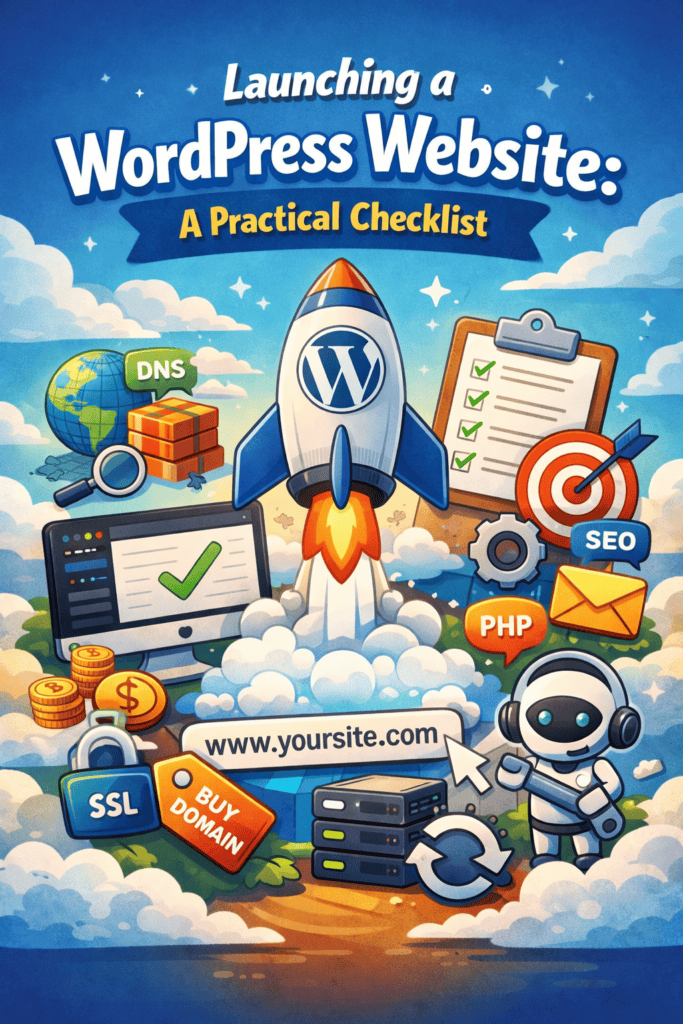
Launching a WordPress Website: A Practical, Real-World Checklist

Reading Time: 6 minutes

Launching a website sounds simple until you are actually responsible for doing it. Most guides either oversimplify the process or dive too deep, covering too many edge cases and creating cognitive overwhelm.

This article walks through how to launch a website using WordPress as a concrete example. WordPress powers roughly 43% of all websites on the internet, which makes it not just popular, but a practical default for marketers who want flexibility without locking themselves into proprietary platforms.

The goal here is not to turn you into a developer or walk through every possible scenario. It is to give you enough real-world context to make good decisions, avoid common mistakes, and understand what actually matters during a launch.

This guidance is based on hands-on experience migrating a production website between hosting environments and fixing issues that are frequently missed or misunderstood, even by experienced marketing teams.

1. Buy a domain from a registrar

Your domain is your permanent address on the internet. You purchase it from a domain registrar such as GoDaddy, Namecheap, or Google Domains.

Best practices:

1. Register the domain yourself, not through a third party who will later control it.

2. Enable auto renewal so you do not accidentally lose it.

3. Use a registrar account tied to an email address you expect to keep long term.

It does not matter much which registrar you choose. What matters is ownership, renewal management, and account security.

2. Purchase a hosting service

Your hosting service is where your website files live and where WordPress runs. Think of this as the land your house sits on, while the domain is the address.

At a minimum, your hosting service should support:

1. WordPress.

2. SSL certificates.

3. PHP and database management.

4. DNS record management.

5. Backups.

Cheap or lifetime hosting plans often trade cost for constraints that are not obvious at purchase time. These plans typically come with limited human support, slower response times, and fewer options when something breaks.

In many cases, your website is also placed on shared infrastructure alongside hundreds or thousands of other websites. When another website on that same server experiences traffic spikes, security issues, or performance problems, it can affect your website even if you did nothing wrong.

This does not mean shared hosting is always bad, but it does mean stability, support quality, and the ability to get help from a real person matter far more over time than headline pricing.

One often overlooked consideration is whether your hosting service supports email accounts for your domain.

Many marketers assume addresses like info@yourdomain.com are automatically included with hosting. In reality, some hosting plans either do not include email at all or require add-on services and additional setup to enable it.

Email also relies on DNS configuration. If email is hosted separately from your website, it may require additional DNS records beyond those needed for the website itself. Understanding where email is hosted and what DNS changes are required before launch helps avoid broken contact forms, missed messages, or last-minute confusion.

3. Point your domain to your hosting service using DNS

DNS stands for Domain Name System. In plain terms, DNS is like the internet’s contact list that tells browsers where to find your website.

When someone types your domain into a browser, DNS is the system that translates that human friendly name into the technical destination where your website actually lives.

To connect your domain to your hosting service, you update nameservers at your domain registrar to the ones provided by your hosting service.

Once updated, DNS changes can take anywhere from a few minutes to 24 hours to fully propagate.

DNS issues are one of the most common reasons launches get delayed. Do not assume something is broken just because it has not updated immediately.

4. Add required DNS records

Depending on your setup, your hosting service may require additional DNS records such as CNAME records for verification, email, or services like SSL.

CNAME stands for Canonical Name. In plain terms, a CNAME record lets one web address act as an alias for another address. It is a way of saying, “when you see this name, go look over there.”

These records are usually added in your hosting dashboard or at your registrar, depending on where DNS is managed.

Know where your DNS is actually managed. Many people assume it is the registrar when it is not.

5. Install WordPress

WordPress is the content management system that allows you to create, publish, and manage your website without writing code.

Most hosting services offer a one click WordPress install. Once installed, you will receive:

1. A WordPress admin login.

2. A temporary or live URL.

3. Database credentials managed behind the scenes.

Security and performance issues are rarely caused by WordPress itself. They are more often the result of outdated themes, poorly maintained plugins, or weak hosting environments.

6. Choose and install a WordPress theme

Your theme controls the design and layout of your website. Choose a theme that is:

1. Actively maintained.

2. Lightweight.

3. Compatible with modern WordPress features.

4. Flexible enough without being bloated.

Many themes offer both free and paid versions. Before committing, understand what functionality is included for free and what limitations exist without a paid upgrade. In some cases, critical layout or customization options are locked behind the paid version.

Avoid themes that promise everything out of the box. Those often introduce unnecessary complexity, performance issues, and long-term maintenance risk.

The theme you pick today does not need to be your forever theme. Replacing a theme is typically no more difficult than installing or removing a plugin, especially if your content and structure are built cleanly. Prioritize clarity and performance over visual complexity.

7. Build your core website structure

Before worrying about polish, build the essentials:

1. Home web page.

2. Blog web page.

3. About web page.

4. Contact web page.

Focus on clear navigation, readable layouts, and content that explains who the website is for and why it exists.

Most websites launch too much content instead of the right content. Less is usually better at launch.

8. Set up email (if needed)

If your hosting service provides email, you can create addresses like info@yourdomain.com. Alternatively, email can be handled by a separate provider.

The important thing is that email DNS records are configured correctly so messages are delivered reliably.

Email hosting and website hosting do not have to be bundled. In many cases, separating them improves reliability.

9. Review hosting performance and optimization settings

Many hosting services include performance and optimization settings. These may be grouped into low risk, medium risk, and high risk categories.

Review these carefully and enable improvements gradually so you can identify any issues they introduce.

Performance tools are helpful, but they can break functionality if applied blindly. Always test after changes.

10. Install essential plugins

One of the first plugins most websites need is a form plugin so visitors can contact you. From there, plugins should be added intentionally, not impulsively.

Rather than listing individual plugins here, refer to this guide on the 10 plugin categories every website needs.

The best plugin list is not the longest list. It is the smallest list that clearly covers real needs with minimal overlap.

11. Configure SEO basics most people miss

One commonly overlooked task is adding meta descriptions for category and tag web pages.

Using an SEO plugin like Yoast, you can add a dynamic meta description template for these archives so they are not left blank.

Example dynamic meta description:

Explore %%term_title%% content on %%sitename%%. Practical tips, tools, and insights to help you grow your marketing skills.

This will not magically drive traffic, but it prevents avoidable SEO quality issues that accumulate over time.

12. Set your home page and blog web page

By default, WordPress shows blog posts on the home page. Most websites want a custom homepage instead.

Go to Settings, then Reading:

1. Select the Static page option.

2. Assign your Home web page as the home page.

3. Assign your Blog web page as the posts web page.

This setting is easy to miss and causes confusion when content appears in unexpected places.

13. Create a privacy policy web page

A privacy policy is required if you collect any user data, including contact form submissions or analytics data.

WordPress includes a built-in privacy policy generator you can customize based on the tools and data collection methods used on your website.

Analytics platforms like Google Analytics 4 include privacy-focused features such as configurable data retention, consent support, and region-aware controls. These help support compliance efforts, but they do not replace the need for a clear, accessible privacy policy.

It is also important to understand that privacy requirements are based on who visits your website, not who you intend to sell to. Even if you do not actively target certain countries or regions, visitors from those locations may still access your website, which can trigger applicable privacy obligations.

This is not just a legal checkbox. It is part of building trust with users and being transparent about how data is collected and used.

14. Set up analytics and search visibility

Before launch, ensure you have basic visibility into how people find and use your website. At a minimum, this includes analytics to understand traffic and a way to confirm your website can be discovered by search engines.

This is not about advanced reporting. It is about confirming your website is measurable, indexable, and not operating as a black box from day one.

Final thoughts

Launching a website is not a single event. It is the starting point of an ongoing system you will maintain, measure, and refine.

If your website loads reliably, communicates clearly, and avoids preventable mistakes, you are already ahead of most launches.

You can always iterate. Fixing a messy foundation later is much harder.

Launching a WordPress Website: A Practical, Real-World Checklist Read More »