case study mcdonalds milkshake

Case Study: McDonald’s Milkshake and the Power of Jobs to Be Done

Reading Time: 3 minutes

Brief Summary

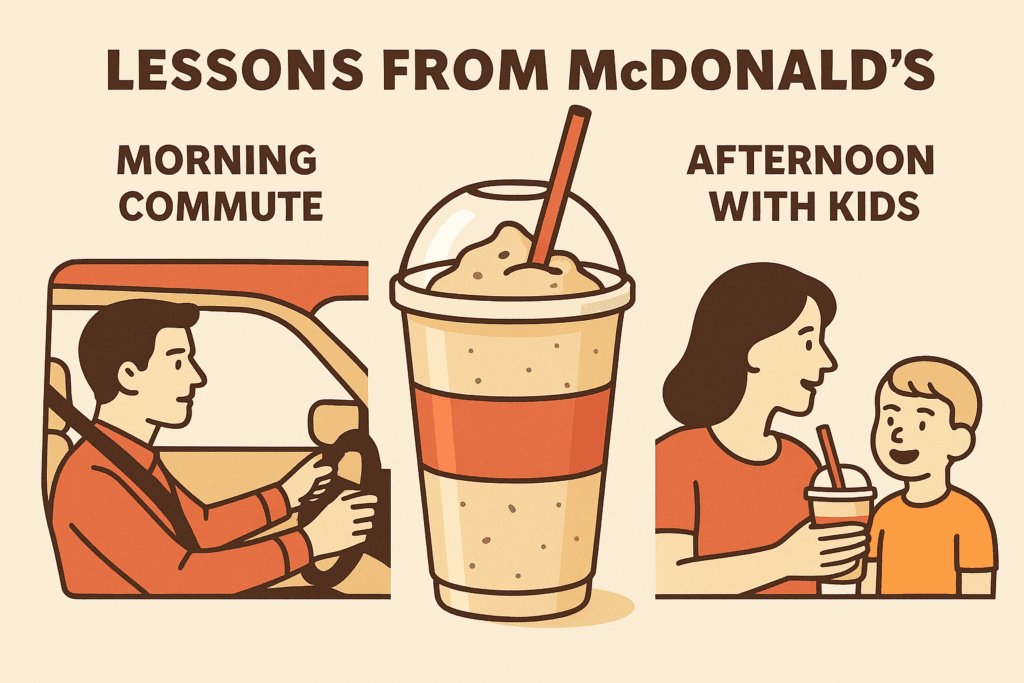
Clayton Christensen and his team helped a fast-food chain discover that morning commuters were “hiring” milkshakes to make their boring drives more engaging and stave off hunger, while afternoon customers wanted something different.

By reshaping the product based on those distinct “jobs,” the brand significantly grew sales and set a new standard for product positioning.

Company Involved

McDonald’s

Marketing Topic

  • Product Positioning
  • Customer Experience
  • Strategy

Public Reaction or Consequences

Customers noticed a more satisfying morning shake, but what made waves was the shift in corporate thinking: moving from demographic-based design to a deep focus on customers’ real-life contexts.

Why It Matters Today

Recognizing context-driven need is critical amid today’s AI‑driven personalization efforts. JTBD helps marketers understand underlying motivations beyond basic user profiles. Useful for product design where convenience and real‑world usage matter.

3 Takeaways

  1. Segment by situation, not just demographics.
  2. Ask what job the customer is hiring your product to do.
  3. Tailor the experience for different contexts to unlock new value.

Notable Quotes and Data

  • “Forty percent of the milkshakes were purchased first thing in the morning, by commuters.”
  • One customer said: “When I hire this milkshake… it takes me more than 20 minutes to suck it up… I’m full all morning and it fits right here in my cupholder.”
  • “The milkshake was not just a product. It was a solution to a very specific problem.” – Clayton Christensen

Full Case Narrative

In the late 1990s, McDonald’s struggled to boost milkshake sales despite efforts based on traditional demographic and attribute testing. They brought in Clayton Christensen, who observed sales patterns and interviewed customers. He noticed that nearly half of milkshake purchases occurred during the morning commute—and were consumed in cars.

Those commuters needed something that would occupy their time, be consumed neatly with one hand, and stave off hunger until later.

Christensen emphasized that customers do not just buy products — they “hire” them to do a job in their lives. Milkshakes were hired to keep commuters entertained, full, and mess-free during a long drive — not just as a breakfast food.

Christensen framed this as a “job to be done”: providing sustained, engaging breakfast on the go. Understanding this, McDonald’s introduced thicker shakes with fruit chunks and improved drive‑through speed, making the shakes last longer. In the afternoon, recognizing that parents buying shakes for their kids wanted something easier to drink, they served thinner variants. This dual‑product strategy, rooted in situational insight, supercharged sales.

Timeline

  • ~1997: McDonald’s requests help improving milkshake sales.
  • 18‑hour observation: Large share of sales occur during morning rush.
  • Customer interviews: Uncover distinct JTBDs for AM commuters and PM parents.
  • Product adjustments: Introduce thicker shake and drive‑through optimizations.

What Happened Next?

McDonald’s continued tailoring shakes while expanding JTBD thinking to other menu items. The framework inspired a wave of purpose‑driven innovation across retail and tech industries, influencing companies such as FedEx, IKEA, and P&G.

The JTBD framework became a foundational tool in product development and marketing strategy, leading to more empathetic design across tech, retail, and service industries. Harvard Business School and innovation consultancies continue teaching it today.

One Sentence Takeaway

This case proves that breakthrough marketing does not always come from more data. Sometimes it comes from better questions.

Sources and Citations

Clay Christensen’s Milkshake Marketing at HBS Working Knowledge (includes video of Clay explaining their research and findings)

Clayton Christensen’s Jobs to Be Done framework at Fullstory

The Re‑Wired Group’s “Milkshakes in the Morning – The JTBD Story”

Case Study: McDonald’s Milkshake and the Power of Jobs to Be Done Read More »
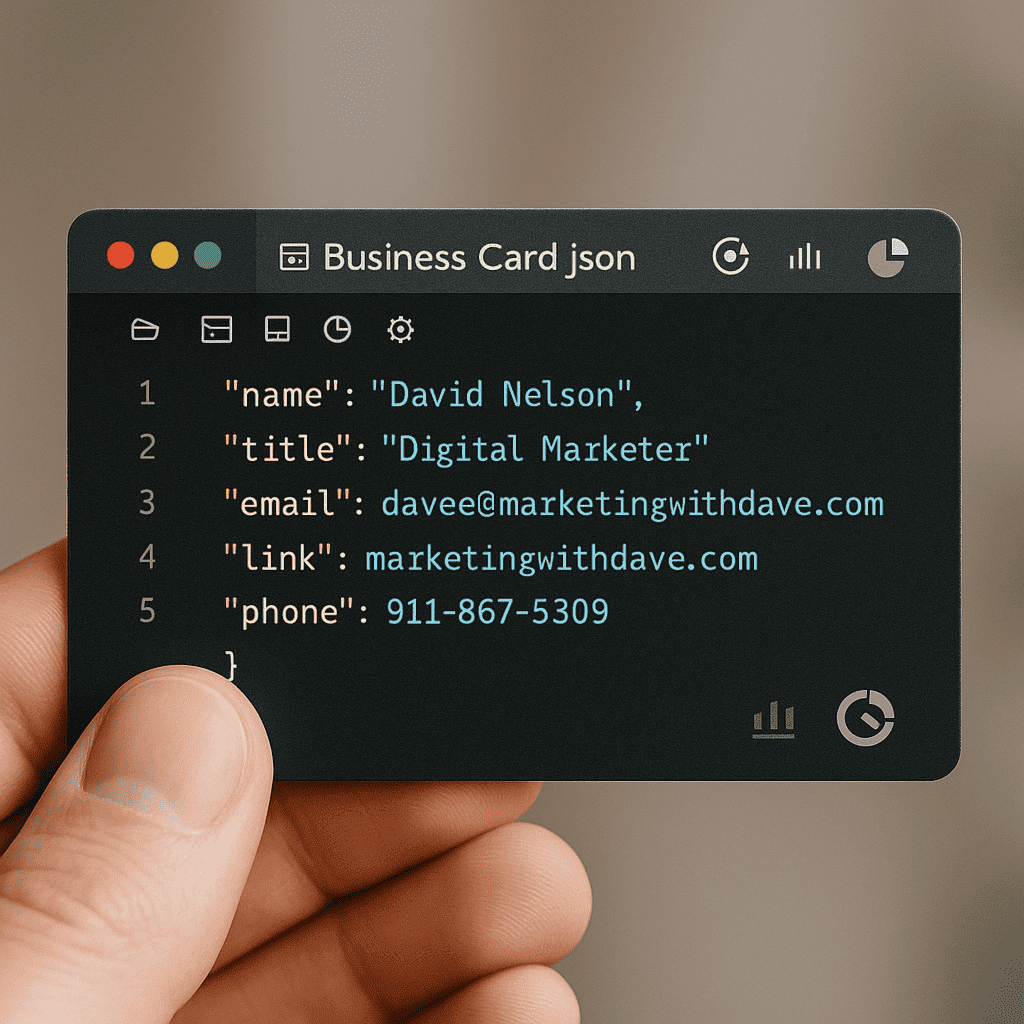
business card json

Look What I Made with AI Art (prompt included so you can too)

Reading Time: 5 minutes

Reader Beware: Any blog post tagged as “Data Driven David” may not be as related to marketing as most of my content. I truly love data and love it even more when it is well visualized and wrapped in a great story — now, that’s good marketing.

Sometimes, you just need a little break from serious strategy and spreadsheets. That’s where creative AI prompts come in. Whether it’s a re-imagined Hot Wheels car, a retro-style McDonald’s Happy Meal, or a toy that never existed but totally should have, these images are all about having fun and letting your imagination run wild. Here are some of the images, along with their prompts, that I have had fun with.

Person Watching Themselves on TV

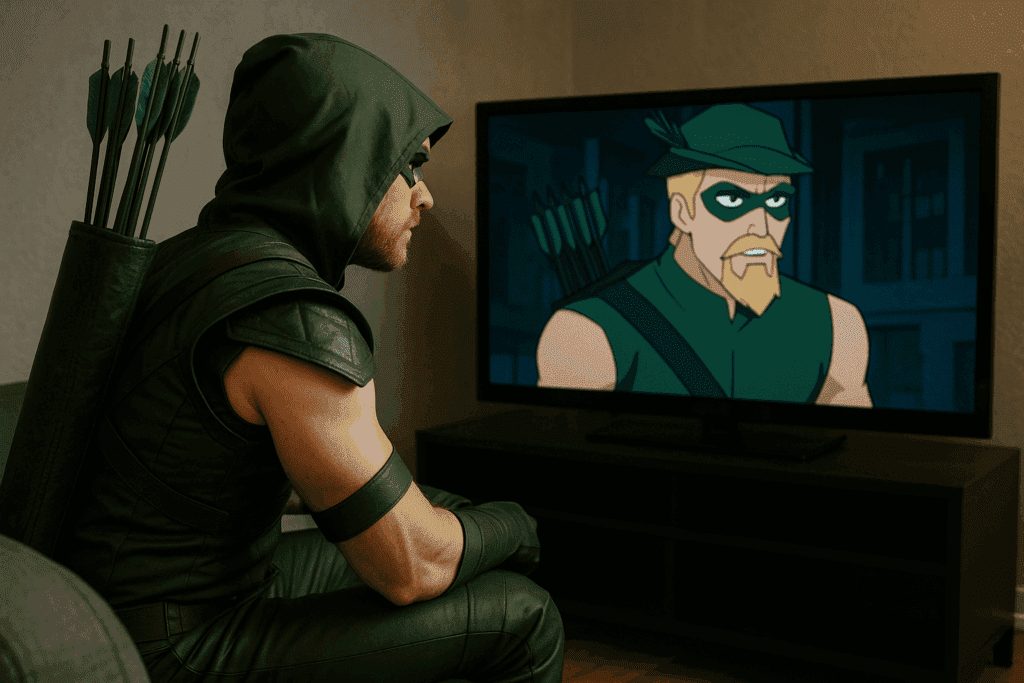
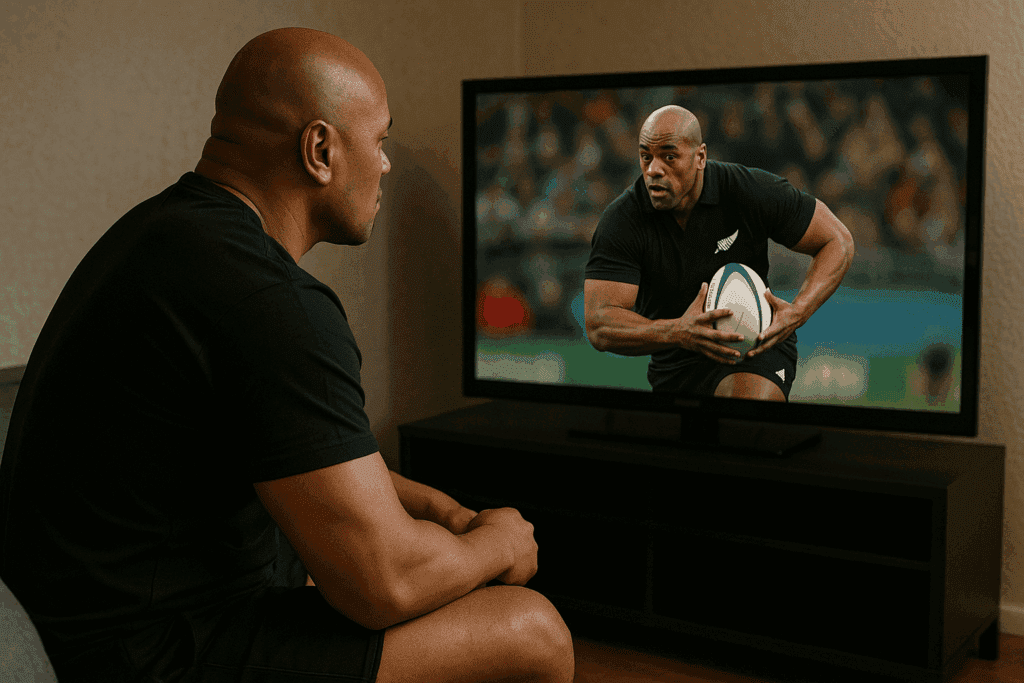
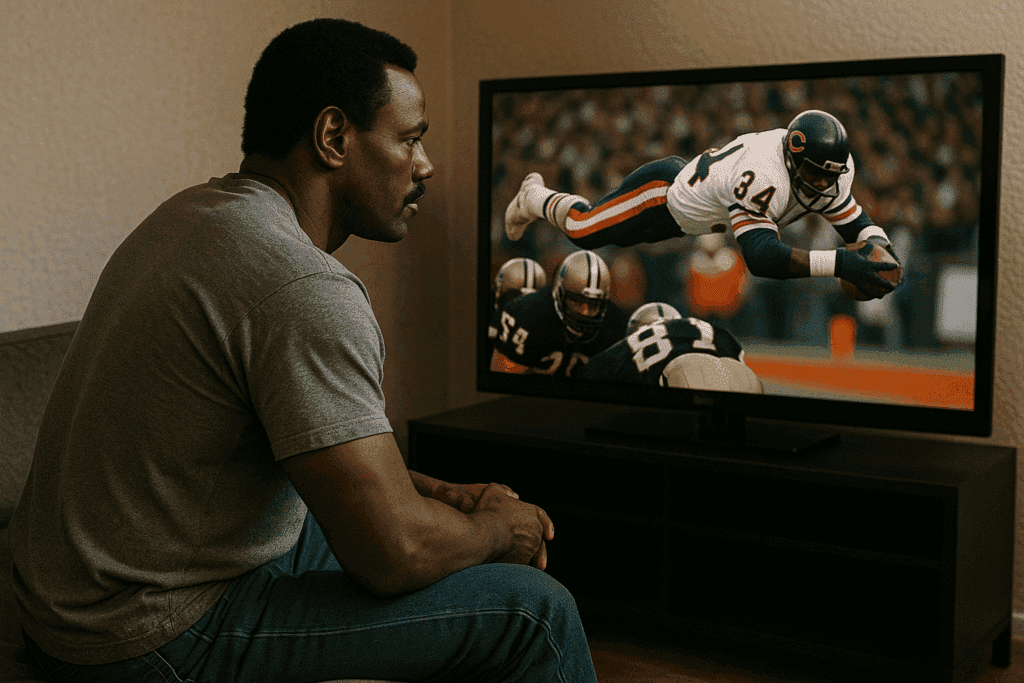
Create a photo of Green Arrow watching himself as a cartoon on tv. I created versions of this also for Jonah Lomu and Walter Payton, both who I think were the best at what they did and unfortunately passed away too young.

green arrow watching green arrow on tv
jonah lomu watching jona lomu on tv

JSON Business Card

ChatGPT Prompt: A close-up shot of a hand holding a business card designed to look like a {file_format} file open in {code_editor}. The card shows code formatted in {syntax_type} with keys like {key1}, {key2}, {key3}, and {key4}. The window includes typical toolbar icons and a title bar labeled {file_name}, styled exactly like the interface of {code_editor}. Background is slightly blurred, keeping the focus on the card.

Use the following for the variables {}
{file_format}: JSON
{code_editor}: VS Code
{syntax_type}: JSON
{key1}: “name”: “David Nelson”
{key2}: “title”: “Digital Marketer”
{key3}: “email”: “dave@marketingwithdave.com”
{key4}: “link”: “marketingwithdave.com”
[{key5}: “phone”: “911-867-5309”
{file_name}: Business Card.json or Business Card.xml

Cinematic Double Exposure Prompt

Create a cinematic double exposure of a man in profile, with a post-apocalyptic cityscape inside his silhouette. The inner scene shows the man walking through a destroyed, burning urban street, buildings in ruins, glowing embers and fire, with a dramatic sunset in the background. Moody lighting, warm tones, emotional and introspective mood, high detail, 8K resolution.

david nelson double exposure


High Contrast Close-Up Prompt

Generate a high contrast close up portrait of my face focusing on front head, in black and white, close-up, 35mm lens, 4kHD quality, giving proud expression, water droplets on my face, black shadow background only face is visible with profile looking sharper, ratio 4:3.

dave nelson shannon nelson high contrast

1969 RS SS Camaro HotWheels Prompt

Design a realistic Hot Wheels blister pack featuring a 1969 RS/SS Camaro. The car should be painted in iconic Hugger Orange with black rally stripes. The packaging should include a clear blister showcasing the car, a bold and dynamic background with retro racing elements, and the classic Hot Wheels flame logo. Replace the usual “Hot Wheels” text with “1969 RS SS Camaro” in the same stylized font and positioning. The card backing should also include subtle nods to late-1960s design, such as muscle car graphics or a speedometer motif. Make it visually appealing for collectors, with attention to detail and a vibrant color scheme that highlights the Camaro’s aggressive styling.

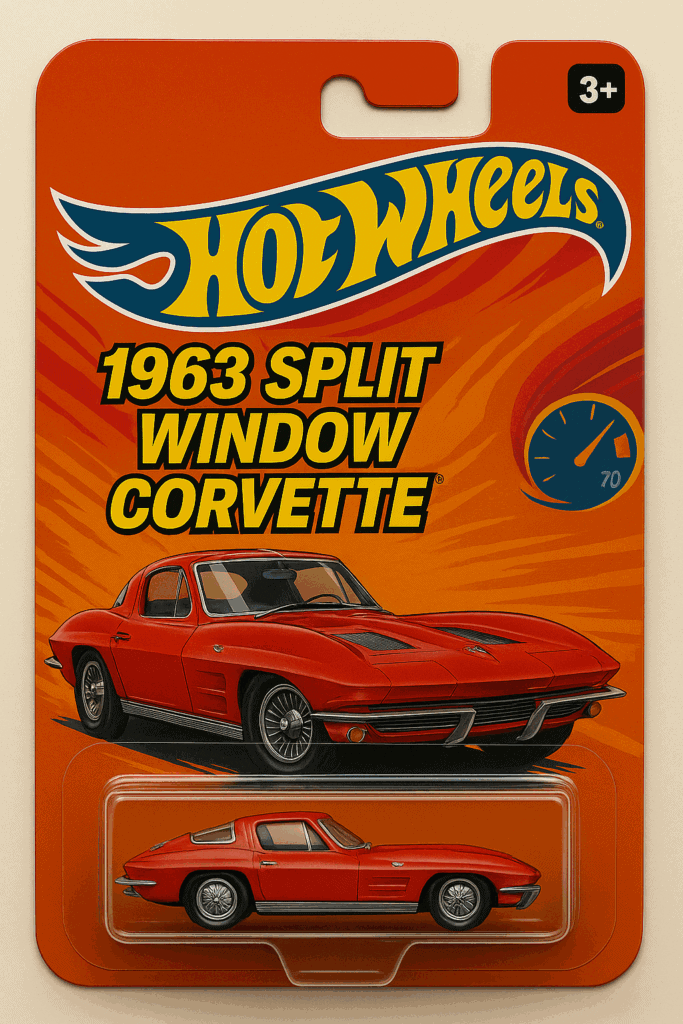
1963 Corvette HotWheels Prompt

Design a realistic Hot Wheels blister pack featuring a 1963 Split Window Corvette. The car should be painted red. The packaging should include a clear blister showcasing the car, a bold and dynamic background with retro racing elements, and the classic Hot Wheels flame logo. Replace the usual “Hot Wheels” text with “1963 Split Window Corvette” in the same stylized font and positioning. The card backing should also include subtle nods to 1960s design, such as muscle car graphics or a speedometer motif. Make it visually appealing for collectors, with attention to detail and a vibrant color scheme that highlights the Corvette’s aggressive styling.

8-bit Pixel Art Prompt

Transform the attached photo into a front-facing 8-bit pixel art character, designed as if it were a sprite in a retro Nintendo game screenshot. Use a limited color palette and pixel grid typical of NES-era graphics.

Pixel art portrait of a smiling man in a suit and tie, with a beige background, suitable for SEO-focused marketing images.

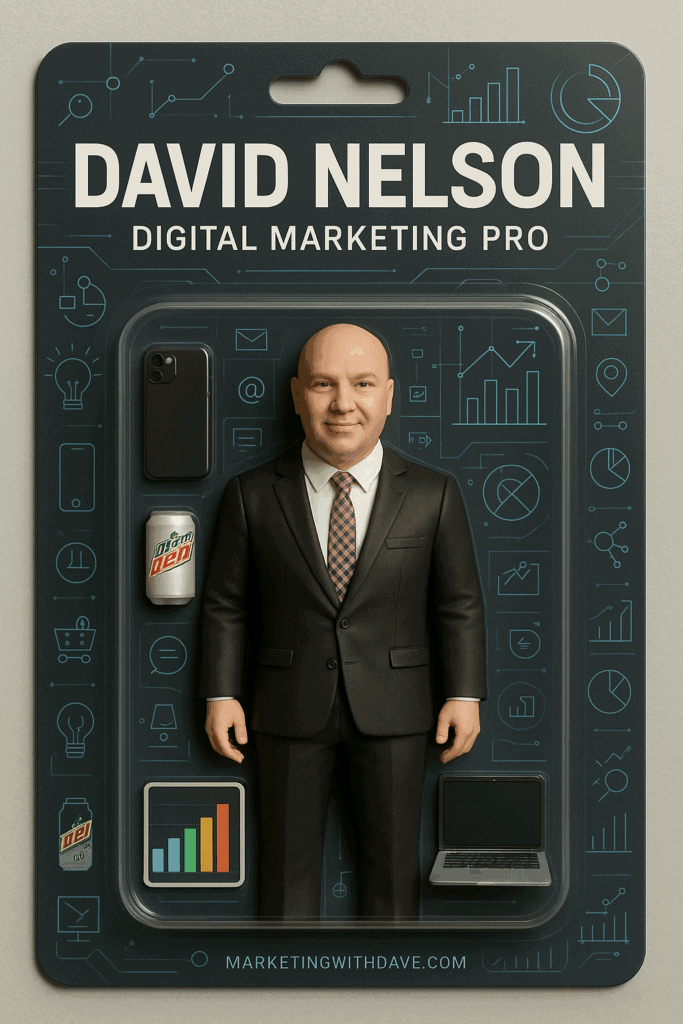
Action Figure With Accessories Prompt

Draw an action figure toy (g.i. joe) of the person in this photo. The figure should be full figure and displayed in its original blister pack packaging. On top of the box is the name of the toy David Nelson with Digital Marketing Pro across a single line of text. In the blister pack packaging, next to the figure show the toy’s accessories including a laptop, iphone, diet mountain dew can, and a bar chart graph.

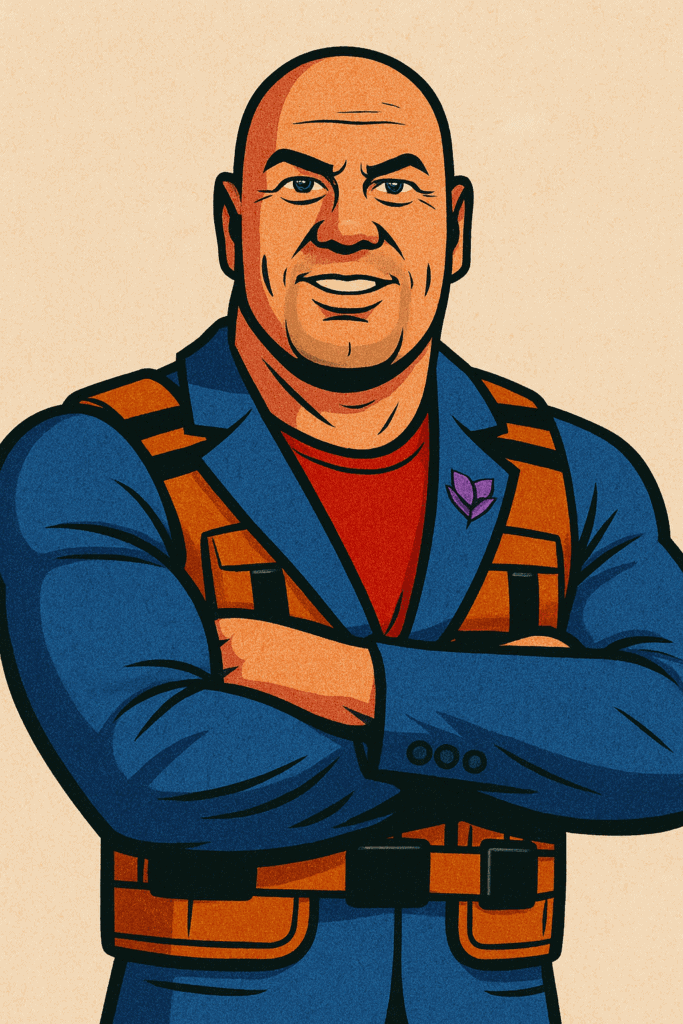
Superhero Prompt

Create a cartoon-style avatar based on this AI face. Style it like a comic book superhero, wearing a [clothing item, e.g., blue blazer], [position, e.g., arms crossed, standing confidently]. Keep the background clean.

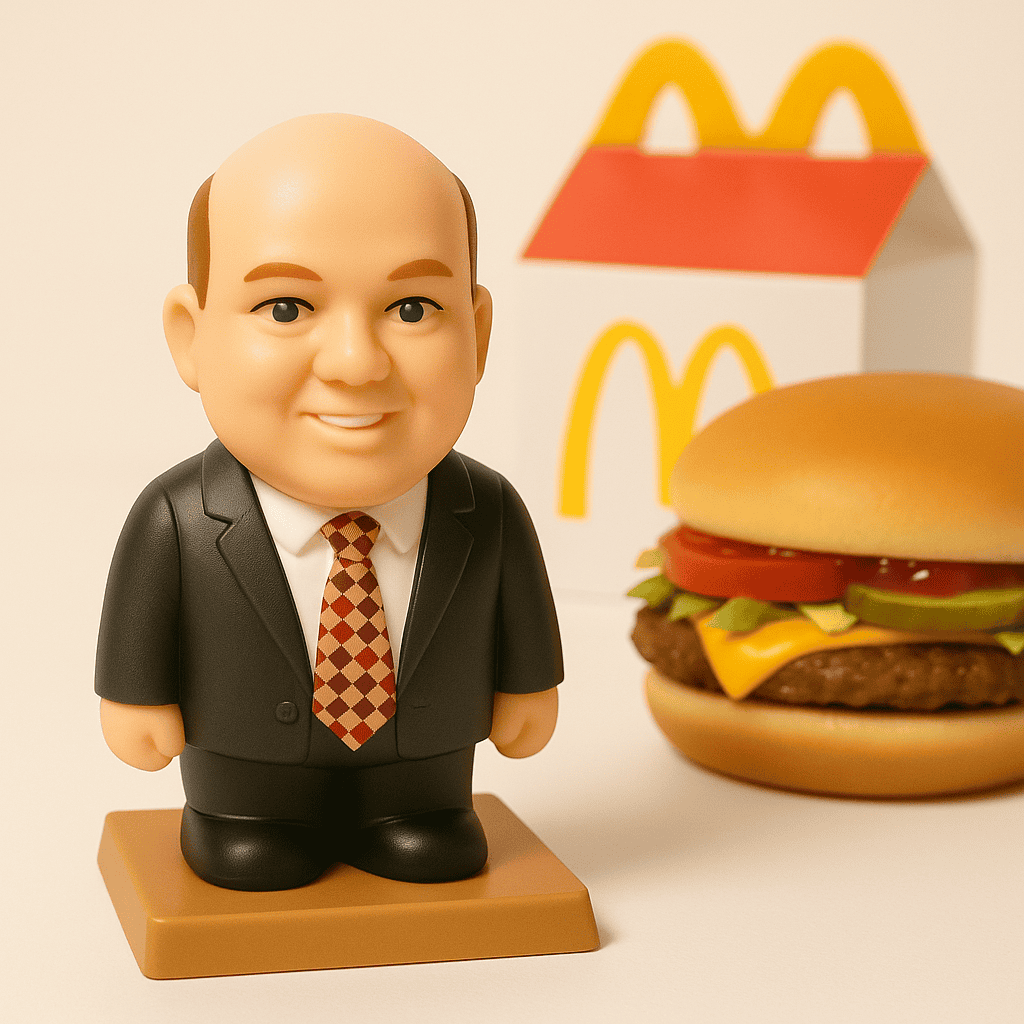
Happy Meal Collectible Prompt

Transform the uploaded image into a collectible toy figure that could be included as a gift with a McDonald’s burger meal. Stylize the character as a small, plastic figurine placed on a simple display base. Include a realistic McDonald’s burger and its branded packaging in the background to give the impression of a Happy Meal toy promotion. Use soft lighting and a clean background, keeping the colors vibrant and playful.

Look What I Made with AI Art (prompt included so you can too) Read More »

top paid advertising kpis that actually matter

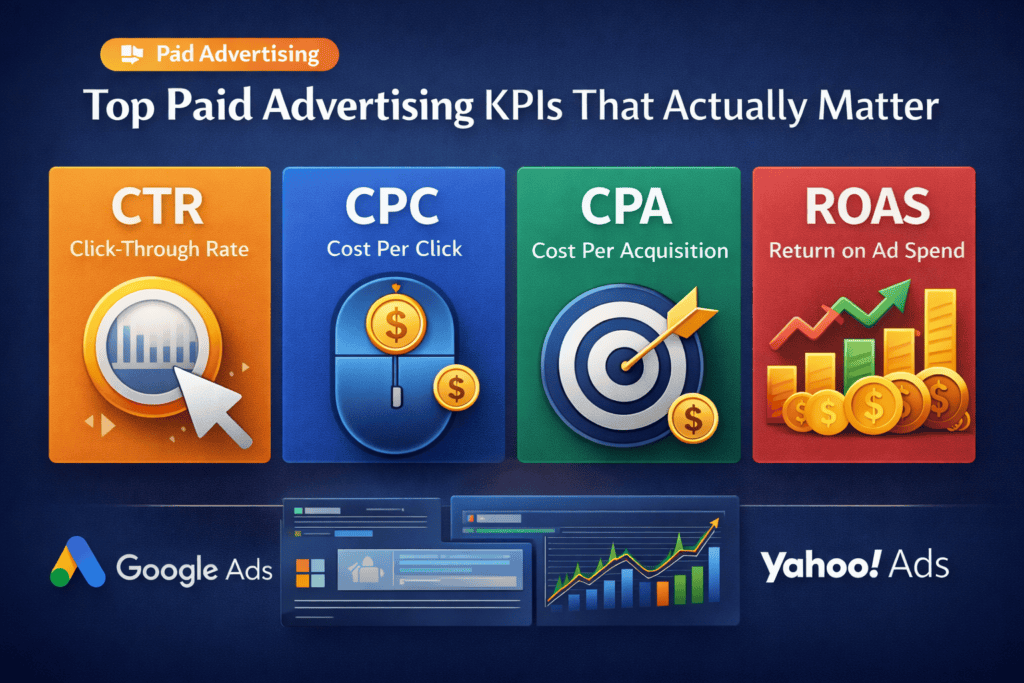
Top Paid Advertising KPIs That Actually Matter

Reading Time: 2 minutes

Want to track what really matters in paid advertising? This guide breaks down the most important PPC (pay-per-click) KPIs for 2024 and beyond, with a focus on search and display networks like Google Ads, Microsoft Ads, and Yahoo.

We’re not covering paid social metrics such as Facebook, Instagram, or LinkedIn ads. Instead, we’re diving into the core performance metrics that matter for search marketers: things like click-through rate (CTR), cost per click (CPC), cost per acquisition (CPA), and return on ad spend (ROAS).

Whether you’re managing campaigns in Google, Bing, or Yahoo, these are the KPIs you should be tracking. Each metric includes current benchmarks to help you compare, optimize, and improve the ROI of your PPC campaigns. These are not vanity metrics. They are essential measurements for campaign auditing, performance reporting, and long-term growth.

If you’ve been wondering what a good ROAS looks like in 2024, how your Google Ads CTR compares to industry averages, or which PPC benchmarks actually matter, you’re in the right place.

Top Paid Advertising KPIs (with 2024 Benchmarks)

KPIBenchmark (2024+)Why It Matters
Click-Through Rate (CTR)Search: ~6.6%, Display: ~0.6%Measures ad relevance and engagement
Conversion Rate (CVR)Search: ~7–8%, Display: <1%Indicates post-click effectiveness
Cost Per Click (CPC)Search: ~$5.26, Display: ~$0.60Reflects cost efficiency per click
Cost Per Acquisition (CPA)Avg Lead CPA: ~$65–$70Shows acquisition cost per conversion
Return on Ad Spend (ROAS)Avg: ~200%, Goal: 400%+Reveals campaign profitability
Quality ScoreAvg: ~5, Goal: 7–10Impacts CPC and ad rank directly
Impression ShareSearch Goal: 80–90%+Shows market share in your segment
Cost Per Mille (CPM)Display: ~$3.12, Search: ~$38Measures cost per 1,000 views/impressions
Conversions (Volume)Goal-dependentTracks raw business outcomes
Customer Lifetime Value (LTV)Goal: 3:1 LTV:CAC ratioSupports smarter budget and bidding decisions

Sources and References

WordStream 2024 Google Ads Benchmarks

Halide AI: Google Ads Industry Averages 2024

Search Engine Land CPC Trends 2024

Instapage: How Quality Score Affects Ad Rank

Databox: What Is a Good ROAS?

Want to stay ahead in paid search? These KPIs are your roadmap. Revisit them quarterly, benchmark annually, and use them to build campaigns that scale with profit in mind.

Top Paid Advertising KPIs That Actually Matter Read More »

case study 7 up uncola

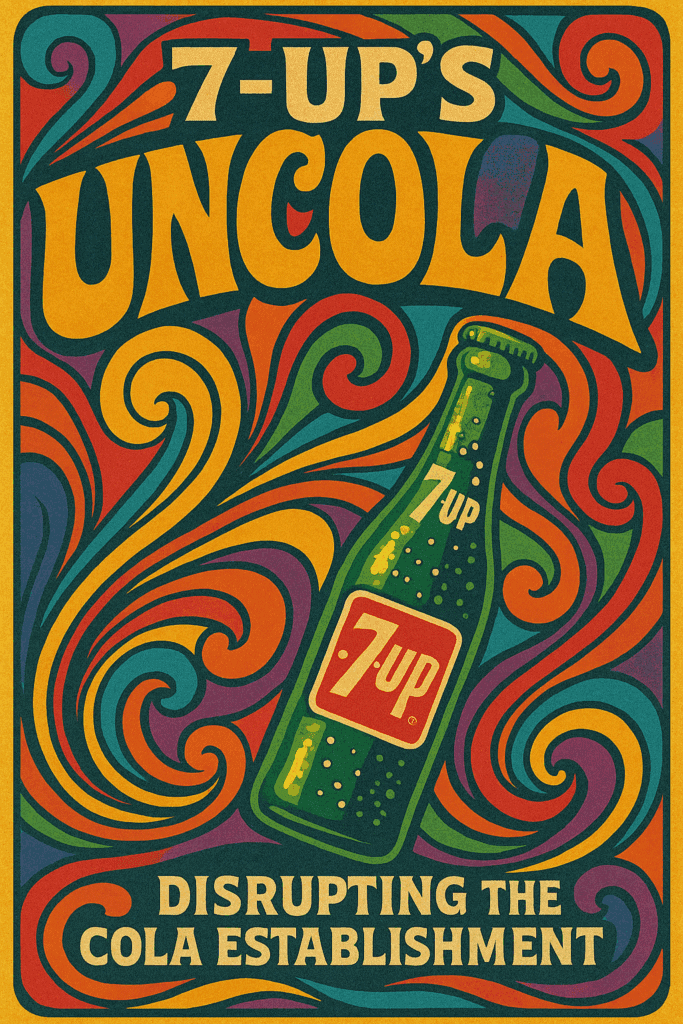
Case Study: 7‑Up’s “Uncola” Campaign — Disrupting the Cola Establishment

Reading Time: 2 minutes

Brief Summary

In the late 1960s, 7‑Up broke away from cola conventions with its iconic “Uncola” campaign. Instead of competing directly with Coke or Pepsi, it embraced bold visuals, countercultural vibes, and clever messaging to position itself as the alternative choice — ultimately boosting sales and brand identity.

Company Involved

7‑Up

Marketing Topic

  • Brand Positioning
  • Advertising
  • Cultural Strategy

Public Reaction or Consequences

The campaign struck a chord amid youth rebellion and counterculture movements. Sales reportedly jumped by as much as 30 to 56 percent following the launch. However, by the 1990s, the campaign’s youthful edge aged, prompting a rebrand in 1998.

Why It Matters Today

  • Shows how cultural alignment can fuel brand differentiation
  • Highlights long-term risks when messaging stops evolving
  • Offers lessons in disruptive positioning amid crowded markets
  • Relevant for marketers tapping into subculture, TikTok trends, and niche audiences

3 Takeaways

  1. Flip the narrative: position your product as the antithesis to category leaders
  2. Tap into zeitgeist: connect authentically with cultural movements
  3. Evolve intentionally: update branding before your audience moves on

Notable Quotes and Data

  • “In one year, sales of 7‑Up went up 56 percent!”
  • “The original 7‑Up Uncola campaign stands as one of the most audacious and successful branding efforts.”
  • “The entire campaign … catapulted 7‑Up into the position as the third leading soft drink in America.”

Full Case Narrative

By the late 1960s, 7‑Up lagged far behind cola giants Coca‑Cola and Pepsi in both profile and youth appeal. In response, they partnered with ad agency J. Walter Thompson to launch the “Uncola” campaign, positioning the drink as a rebel alternative to mainstream colas.

Visually striking ads featured upside-down cola imagery, psychedelic artwork, and slogans like “See the Light, Feel the Bite” and “Wet Un Wild.” The campaign included a public art contest, giving artists creative ownership and expanding visual diversity.

Sales soared. Estimates suggest a 30 to 56 percent rise within the first year and 7‑Up became the only non-cola in America’s top three soft drinks. As the countercultural moment faded, the youthful edge of the campaign grew dated, leading to its retirement in 1998 as the brand reinvented its message.

Timeline

  • 1967: “Uncola” campaign launches with J. Walter Thompson
  • 1968–71: Psychedelic billboards, contests, and media spots spread the message
  • 1969–70: Sales jump 30 to 56 percent
  • 1998: Campaign retired due to aging brand image

What Happened Next?

7‑Up continued experimenting with creative campaigns — introducing “Cool Spot” and “Make 7‑Up Yours” — but none rivaled the cultural punch of “Uncola.” Today the campaign endures as a case study in disruptive, culture-driven branding.

One Sentence Takeaway

Positioning your brand as the daring alternative can work wonders — just remember to evolve with your audience to maintain relevance.

Sources and Citations

Uncola: Seven‑Up, Counterculture and the Making of an American Brand

The Genius Behind the 7‑Up Uncola Campaign

Uncola Marketing: 7UP’s Long Brand Evolution

Flashback Friday: The Uncola

Positioning Strategy: It’s Not What You Say, It’s How They Think

The Seven‑Up Company and 7‑Up Bottles – The Real Story (PDF)

Case Study: 7‑Up’s “Uncola” Campaign — Disrupting the Cola Establishment Read More »

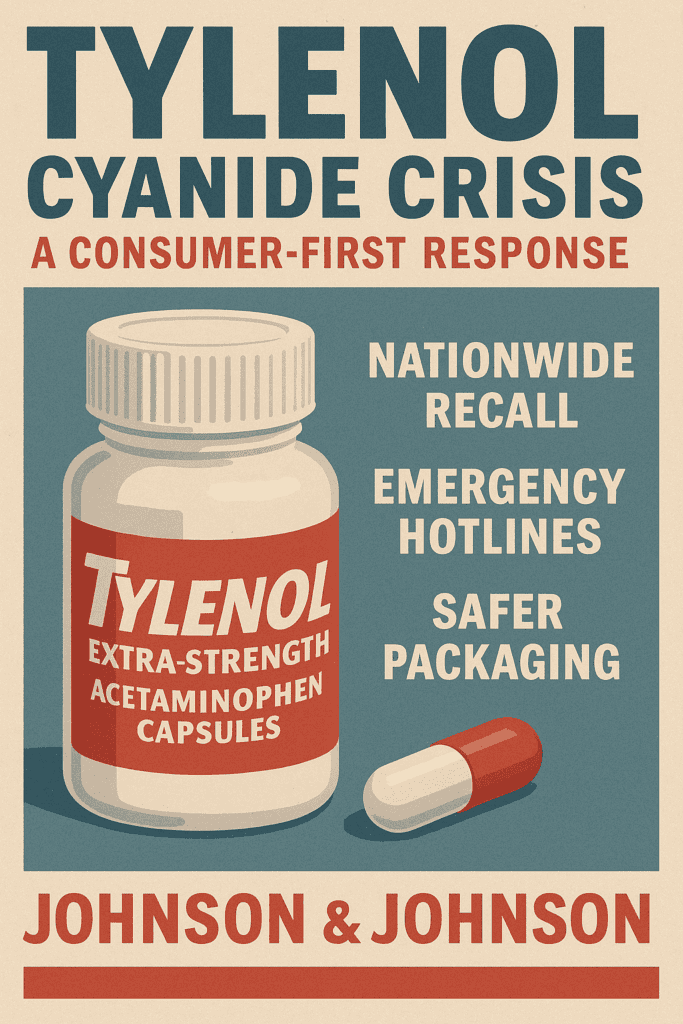
Tylenol cyanide crisis poster highlighting consumer response, nationwide recall, emergency hotlines, and safer packaging from Johnson & Johnson.

Case Study: Tylenol’s Cyanide Crisis – A Masterclass in Crisis Response

Reading Time: 2 minutes

Brief Summary

In 1982, seven people in Chicago tragically died after taking cyanide‑laced Tylenol capsules. Johnson & Johnson responded with a full national recall, transparent communication, and tamper‑resistant packaging.

Their swift, consumer‑first action restored trust and created a crisis management blueprint.

Company Involved

Johnson & Johnson

Marketing Topic

  • Crisis Response
  • Corporate Social Responsibility
  • Public Relations

Public Reaction or Consequences

The public panicked, sales plunged, and media coverage was intense. J&J’s immediate recall, hotline support, and CEO James Burke’s on‑camera presence earned widespread praise. They sacrificed over $100 million but regained market share within a year.

Why It Matters Today

  • Consumer safety trumps profits in trust‑building
  • Transparency can defuse panic in the age of social media
  • Industry‑wide tamper‑proof packaging standards evolved
  • Precedent for current accountability and real‑time stakeholder expectations

3 Takeaways

  1. Act quickly and publicly to stop reputational damage
  2. Use empathy and honesty to cement long‑term loyalty
  3. Address root causes to prevent recurrence and control narrative

Notable Quotes and Data

  • “They pulled 31 million bottles at a cost of $100 million to put people first”
  • “Tylenol sales rebounded to previous levels within six weeks after introducing triple‑sealed bottles”
  • “This effective handling… has since become a model for corporate crisis management”

Full Case Narrative

In late September 1982, seven individuals in the Chicago area died after ingesting Extra‑Strength Tylenol capsules contaminated with cyanide.

Johnson & Johnson’s chairman James Burke formed crisis teams with two core priorities: protect consumers and preserve trust.

The company initiated a voluntary recall of 31 million bottles, suspended advertising, launched hotlines, and held national press conferences. Burke appeared on network television to speak empathetically and transparently.

They collaborated with FDA and law enforcement to reinforce accountability. Within six weeks, triple‑sealed tamper‑resistant packaging debuted. By early 1983, Tylenol regained 100 percent of its market share, cementing J&J’s reputation for ethical crisis leadership.

Timeline

  • Sept 29 1982: First deaths reported
  • Early Oct 1982: Nationwide recall of 31 million bottles
  • Nov 1982: Tamper‑proof packaging launched
  • 1983: Market share fully recovered; crisis praised as exemplary

What Happened Next?

J&J rebuilt Tylenol’s brand through media outreach, free replacements, and packaging innovation. Market share returned, the case became a crisis management classic, and transparency became central to J&J’s culture.

One Sentence Takeaway

Swift consumer‑first crisis response can turn near‑destruction into renewed brand trust.

Sources and Citations

The Tylenol Case Study: A Masterclass in Crisis Communications

How the Tylenol murders of 1982 changed how we consume medicine

How Poisoned Tylenol Became a Crisis‑Management Teaching Model

How J&J’s corporate responsibility policy paid off in 1982

Case Study: Tylenol’s Cyanide Crisis – A Masterclass in Crisis Response Read More »

case study nordstrom tires returned

Case Study: How Nordstrom’s Tire Return Became a Branding Legend with Limits

Reading Time: 3 minutes

Brief Summary

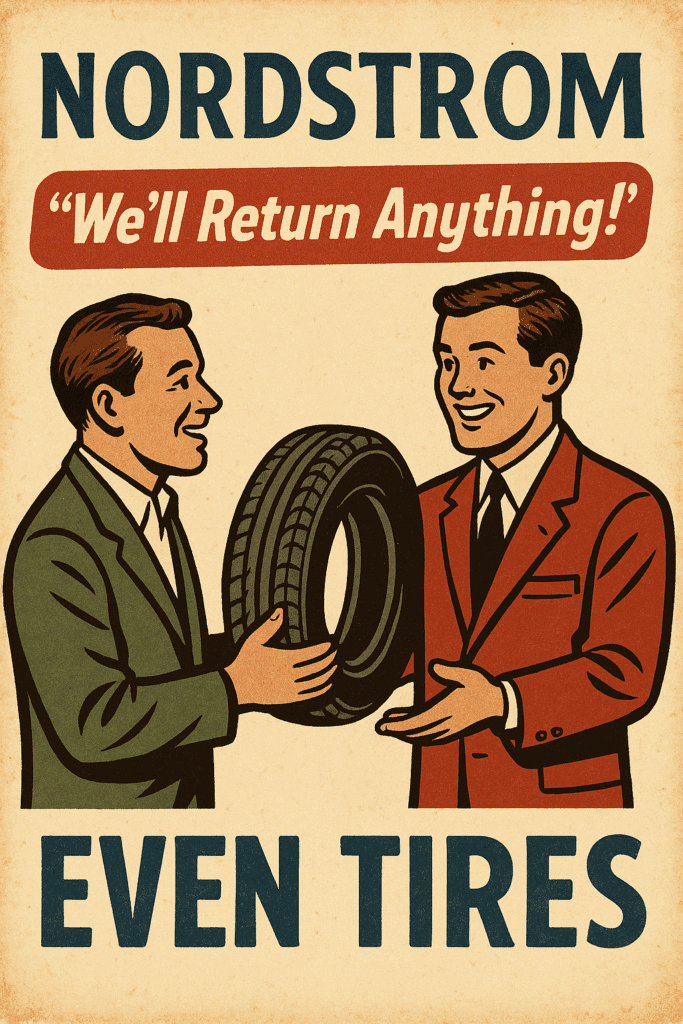
Vintage-style satire image of Nordstrom tire return

In the 1970s, a customer returned a set of used tires to a Nordstrom store in Fairbanks, Alaska. The store accepted the return, even though Nordstrom never sold tires, because the location used to be a different retailer.

This story became part of Nordstrom’s brand legend, representing exceptional service. However, it also highlights the importance of boundaries in customer experience strategies.

Company Involved

Nordstrom

Marketing Topic

  • Customer Experience
  • Branding
  • Company Culture

Public Reaction or Consequences

The story spread through business books, service training programs, and company folklore. Many praised Nordstrom for putting the customer first. The tire itself is displayed in Nordstrom’s flagship store in New York City. While it earned admiration, it also raised questions about where a company should draw the line in meeting customer requests.

Why It Matters Today

• Highlights how brand legends can shape perception over decades
• Reminds marketers that every story sets a precedent
• Shows the risk of viral anecdotes becoming unrealistic expectations
• Relevant in today’s culture of transparency, reviews, and employee autonomy

3 Takeaways

  1. Service stories can build brand equity that lasts for decades
  2. Employees should be empowered, but also trained to use sound judgment
  3. Legendary moments should inspire culture, not override policy and reason

Notable Quotes and Data

  • “We are known for our policy that we take everything back … but it boils down to the customer and how we take care of them” — Pete Nordstrom
  • “He called a local Firestone dealer to determine a fair price and gave the customer a refund” — Jeff Toister, customer service consultant
  • “Yes, this is a true story” — Seattle Refined

Full Case Narrative

In the mid-1970s, Nordstrom acquired a location in Fairbanks, Alaska that had previously operated as a department store selling everything from clothing to car tires. Some time after the acquisition, a customer walked in to return a pair of worn tires. Although Nordstrom never sold tires, a young associate named Craig Trounce honored the request. He called a local Firestone dealer, calculated a fair refund, and processed the return for about 25 dollars.

Rather than being reprimanded, Trounce was praised for delivering excellent customer service. The story was later confirmed and celebrated by Nordstrom executives, including Pete Nordstrom on the company’s podcast. The tire return became a symbol of Nordstrom’s customer-first mentality and was shared widely in management seminars and business books.

Still, the story is not just about generosity. It raises an important question for marketers and company leaders: what happens when legendary moments create unrealistic expectations? Nordstrom has continued to promote autonomy within clear service standards. The tire story lives on, but the brand does not promise to accept all outlandish requests. The goal is thoughtful service, not boundless concessions.

Timeline

  • Mid-1970s: Nordstrom acquires Fairbanks, Alaska location from a previous retailer
  • Late 1970s: Customer returns tires, associate refunds ~$25
  • 2010s–2020s: Story is confirmed by executives and displayed in stores

What Happened Next?

Nordstrom embraced the story as part of its brand identity, using it in employee training and customer engagement. The tire became a literal and symbolic display in stores. Internally, Nordstrom continued to encourage service with discretion. The company now balances generous service with realistic guidelines to avoid being taken advantage of.

One Sentence Takeaway

Exceptional customer service can define a brand, but only when supported by thoughtful boundaries and clear expectations.

Sources and Citations

The Nordy Pod: The Truth About Nordstrom’s Legendary Tire Story

The man behind Nordstrom’s famous “tire story” – Axios

Is the Nordstrom ‘tire refund’ legend real? We have answers!

How to use inspiring stories to grow your service culture – Jeff Toister

Case Study: How Nordstrom’s Tire Return Became a Branding Legend with Limits Read More »