Martech

Marketing with Dave review of Linko, highlighting features like click tracking, link alerts, data trust, and problem-solving for link management.

Linko Review: All-in-One Link Management Software with Bio Pages, QR Codes, and Tracking

Reading Time: 5 minutes

If you are comparing tools, see my Switchy vs Linko comparison for a side-by-side breakdown. If you want to know how Linko held up over time, I also shared my experience after creating 100+ links.

Short links are easy to underestimate until you need more than a URL cleaner. Once you start managing links across campaigns, channels, and use cases, the problem shifts from shortening to control, tracking, and flexibility.

Linko is built for that second layer. It combines link management, bio pages, QR codes, file hosting, redirect options, and custom tracking into a single platform.

If you want a link management platform with deeper functionality in bio pages, QR codes, file hosting, and redirect behavior, this marketing tool is worth a look. If your priority is low-cost entry, pixel integrations, and core link performance without paying for broader feature depth, that is where the trade-off starts to show.

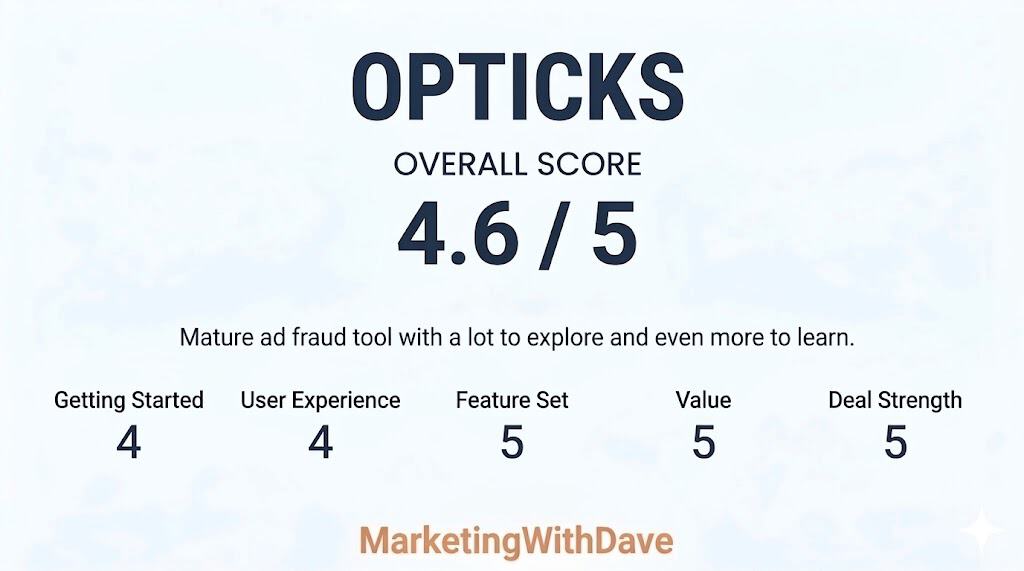
See how this score is calculated

Here’s how to interpret this score:

The overall score reflects both product quality and how compelling the current deal is.

Linko delivers a polished, feature-rich experience with strong usability and broad functionality. This is not a minimum viable product. The platform feels complete, stable, and ready to use across multiple use cases.

The final rating reflects a balance between that strong product experience and a few tradeoffs that matter before buying, including a higher price point, core features unlocked across tiers, and more limited third-party pixel integrations for advanced tracking.

Try Linko for Free

Affiliate disclosure: If you buy through my affiliate link, I may earn a commission at no additional cost to you. I only share tools I believe are worth your time and consideration.

The 30-Second Decision

Best for: managing short links that need to be updated later, tracked across campaigns, or extended into bio pages, QR codes, and hosted assets.

Not ideal for: buyers who mainly want the lower-cost entry point, heavy third-party pixel integration support, or full feature depth without moving into higher tiers.

My take: Linko is one of the more complete link management platforms available. It prioritizes flexibility and breadth over low entry cost, which makes it a better fit for users who plan to use more than just basic link shortening.

Try Linko for Free

What Linko Actually Helps You Do

At its core, Linko helps you create, manage, and extend short links across multiple use cases.

That includes bio pages, QR codes, hosted files, redirect controls, campaign organization, and custom tracking parameters, all within a single platform.

This is not a minimum viable tool trying to find its footing. It is a complete platform with multiple working use cases from day one.

This is not just about shortening links. It is about managing and extending them across campaigns, channels, and use cases in one place, instead of relying on multiple tools.

What Stands Out

The biggest strength of Linko is how much it brings together in one place.

Beyond basic link shortening, it extends into bio pages, QR codes, hosted files, redirect behavior, campaign organization, and custom tracking.

That range makes Linko a true link management system, not just a shortener with added features.

The platform does not feel like an early-stage product. It feels complete and usable across its core workflows.

Where It Has Real Marketing Value

If you are managing links across multiple channels, Linko can centralize workflows that are often spread across separate tools.

Instead of using one tool for shortening, another for bio pages, another for QR codes, and another for hosting assets, Linko combines those functions into one system.

This matters most when links are used across multiple channels and need to stay consistent, trackable, and easy to manage over time.

Custom Tracking Parameters Are More Flexible Than Standard UTMs

Linko supports the standard UTM structure most marketers already use, but it also goes further depending on the tier.

At Tier 1, you get six core tracking parameters:

utm_source, utm_medium, utm_campaign, utm_term, utm_content, and utm_id.

That sixth parameter, utm_id, is not always included by default in other tools and can be useful for more structured campaign tracking, especially when working across platforms or reporting systems that expect a unique identifier.

At higher tiers, Linko expands this further. Tier 2 allows you to create up to 10 custom UTM templates, and Tier 3 increases that to 20. This gives you the ability to standardize naming conventions, add additional parameters, and build more tailored tracking frameworks beyond the traditional five-field setup.

For basic campaign tracking, the default fields are more than enough. For more advanced workflows, especially those that rely on consistent naming structures or additional segmentation, the added flexibility becomes more valuable.

Bio Pages, QR Codes, and Hosted Assets Are Bigger Parts of the Story

Its bio page functionality is more central to the product, QR code support is more developed, and built-in file hosting adds a use case Switchy does not really try to serve. That makes Linko easier to understand as a broader utility platform.

This is one of the clearest reasons someone might choose Linko even at a higher price. If you want one platform that does more than branded redirects and pixel-based tracking, Linko makes a stronger case.

Redirect Controls and Link Behavior Are More Configurable

Another area where Linko stands out is redirect handling.

Linko supports multiple redirect types (301, 302, and 307), splash pages, direct links, cloaked links, and additional behavior controls that make the redirect layer feel quite flexible.

Pixel Integrations Are More Limited Today

Linko supports retargeting pixels, but its third-party integration coverage is still developing.

For most use cases, the current support will be enough. If your workflows depend heavily on a wide range of ad platforms or advanced retargeting setups, this is an area where Linko is not as strong today.

This reflects a newer platform that already delivers broad functionality, with deeper integrations likely to expand over time.

Analytics and Reporting

The analytics side of Linko looks useful, but I would frame it as practical rather than especially advanced.

As with much of Linko, the value is less about replacing a best-in-class specialist and more about combining enough functionality in one place.

Setup and Ease of Use

Linko feels approachable, especially for a product that spans multiple use cases.

The interface is one of its strengths. That is part of why it scored well in Getting Started and User Experience. Even when the product does a lot, it does not feel especially difficult to understand.

If you only need basic short links, some of this may feel like more platform than you need. If you want wider functionality in one place, the broader approach is a plus.

Try Linko for Free

Why I Would Recommend It

  1. It combines multiple link-related use cases in one platform, including bio pages, QR codes, hosted files, and redirects.
  2. The product feels polished and approachable despite covering a lot of ground.
  3. Custom tracking flexibility is stronger than the classic UTM-only setup found in some competing tools.
  4. It is easier to justify if you want one broader platform rather than several narrower tools.

What To Watch Out For

  1. Third-party pixel integration depth is limited compared to a more performance-focused alternative.
  2. The product is broad, but that does not mean every individual feature is best-in-class.
  3. Buyers who mainly want branded links and core campaign tracking may find the broader platform unnecessary.

Bottom Line

Linko is not trying to be the cheapest or most focused tool in this category. It is trying to replace multiple tools with one platform.

If you only need basic link shortening and tracking, this will feel like more than you need.

If you want one system to manage links, bio pages, QR codes, hosted assets, and redirect behavior in a cohesive way, Linko makes a strong case.

The value comes from how much of that platform you actually use.

If you are already thinking beyond basic link tracking, Linko is easier to grow into than out of.

Try Linko for Free

Disclaimer

This content is for educational purposes and reflects my experience, review of the product, and current publicly available information. Always evaluate tools based on your specific business needs, goals, and workflows before making a decision.

Looking for more marketing software reviews? See my full list of marketing tools and software I recommend.

Linko Review: All-in-One Link Management Software with Bio Pages, QR Codes, and Tracking Read More »

Switchy vs Linko: Link Management Software Comparison

Reading Time: 5 minutes

Switchy and Linko are direct competitors in the link management category. Both platforms support short links, analytics, campaigns, and common marketing workflows. Where they differ is in how those features are delivered. Switchy focuses on performance, tracking, and core marketing functionality, while Linko expands into a broader set of tools with deeper feature sets in areas like bio pages, QR codes, and redirect options.

The difference is not whether these platforms overlap, but how that overlap shows up in practice. Switchy is more focused on link performance, tracking, and core marketing functionality, with strong support for third-party integrations and a lower entry price. Linko takes a broader approach, expanding into areas like bio pages, QR codes, and redirect options, often with more depth but with additional features unlocked at higher tiers. That difference becomes more noticeable when you look beyond feature checklists and consider how those features are implemented and where limitations appear.

If you want a deeper breakdown of how each tool works in practice, you can read the full Switchy review and Linko review. This page focuses on how they compare side by side so you can quickly decide which direction makes the most sense.

At a high level, the difference comes down to focus. Switchy is built around link performance, tracking, and optimization. Linko is built as a broader platform that combines link management with bio pages, QR codes, file hosting, and additional tools. The tables below break down where those differences actually show up in real use.

What Matters Most

This table highlights some of the biggest practical differences between Switchy and Linko. It is not meant to cover every feature. It is designed to surface the capabilities most likely to affect a real buying decision.

FeatureSwitchyLinko
Third-party pixel integrations13613
Custom tracking parameters56 standard fields; Tier 2: +10 templates; Tier 3: +20 templates
A/B testing and rotatorTier 3 only
Deep linkingTier 3 only
Geo and device targetingTier 2 only
Language-based targetingTier 2 only
File hosting
Bio pages
Exclude IP addresses
Broken link monitoring

The difference in tracking parameters is worth calling out more specifically. Switchy supports the five standard UTM parameters used in Google Analytics: utm_source, utm_medium, utm_campaign, utm_term, and utm_content. Linko includes those same fields and also adds utm_id out of the box. In addition, Linko allows for expanded customization through templates, with Tier 2 adding 10 custom UTM templates and Tier 3 increasing that to 20. This makes Linko more flexible for advanced tracking setups, while Switchy stays focused on the standard UTM structure most marketers already use.

These differences become more clear when you look at feature coverage more broadly. The table below expands the comparison to include additional capabilities that may or may not matter depending on how you plan to use the tool.

Top 20 Features Comparison

This table looks beyond pricing and focuses on feature availability. It is designed to show where Switchy and Linko overlap, where they differ, and which platform includes certain capabilities out of the box.

FeatureSwitchyLinko
CTA overlays on destination pages
Transitional splash pages
Branded custom domains
Grouping and organization
CSV bulk import
API access
Embed third-party widgets
Browser extension
GDPR privacy popup
Export data
Link cloaking
Device-based redirection
Link expiration
Link click limits
Password-protected links
QR codes
IP allowlist
IP blocking
Dark mode
Bulk link creation

One important nuance is how each tool handles organization. Linko uses campaigns and channels, while Switchy relies more on folders, workspaces, and tags. Both approaches work, but they reflect a difference in how each platform is designed.

Pricing is another area where the difference in product focus becomes clear. Both tools offer lifetime deals, but they scale very differently.

Pricing Comparison (AppSumo Lifetime Deals)

This table compares the core AppSumo lifetime pricing tiers for Switchy and Linko. It focuses on entry cost, click limits, and how each product scales across tiers.

TierSwitchyLinkoWhat It Means
Tier 1$39 / 30,000 clicks per month$79 / 25,000 clicks per monthSwitchy has a lower entry price and slightly higher click capacity.
Tier 2$78 / 60,000 clicks per month$158 / 100,000 clicks per monthLinko increases click capacity faster, but at a significantly higher cost.
Tier 3$117 / 90,000 clicks per month$237 / 500,000 clicks per monthLinko scales to much higher limits, while Switchy remains more affordable.
Higher tiersAdditional stacking availableNot availableSwitchy continues beyond Tier 3, while Linko stops at this level.

The key difference in pricing is how each product scales. Switchy offers a lower cost of entry and more gradual scaling, while Linko becomes more expensive quickly but unlocks higher limits and additional features at upper tiers.

Same Category, Different Approach

On paper, Switchy and Linko check many of the same boxes. Both platforms support link shortening, tracking, campaign management, and common marketing use cases. In a feature table, that often shows up as a long list of matching capabilities.

In practice, the difference is in depth and focus. Linko expands many of these features into more configurable or feature-rich implementations. Its bio pages are more customizable, its QR code capabilities are more developed, and it offers a wider range of redirect options. However, many of these features are limited to higher pricing tiers.

Switchy takes a more focused approach. Instead of expanding into as many adjacent features, it prioritizes link performance, tracking, and integrations. This is most visible in its support for third-party pixels and its ability to deliver core functionality at a lower entry price.

The result is a clear tradeoff between breadth and efficiency. Linko offers more built-in tools and deeper feature sets in certain areas, while Switchy delivers a more streamlined and cost-efficient solution centered on marketing performance.

This is why the decision is less about which tool has more features, and more about which type of tool you actually need.

Which Tool Is Right for You?

Switchy and Linko can both handle core link management tasks, but they are built for slightly different types of users. The right choice depends less on feature lists and more on whether you need a focused performance tool or a broader all-in-one platform. For many users, Switchy’s entry tier covers most core use cases, especially for link tracking, campaign measurement, and retargeting workflows.

Choose Switchy if:

You want a focused tool for link tracking, performance, and marketing use cases. Switchy stands out for its strong third-party pixel integrations, clean approach to UTM tracking, and ability to deliver core functionality at a lower entry price. If your priority is optimizing links, tracking campaigns, and keeping things efficient without paying for features you may not use, Switchy is the better fit.

Choose Linko if:

You want a broader all-in-one platform that goes beyond link shortening. Linko offers deeper functionality in areas like bio pages, QR codes, file hosting, and redirect options. If you value having more built-in tools in one place and are comfortable moving into higher tiers to unlock additional features, Linko provides more flexibility.

In practical terms, Switchy is more specialized and efficient, while Linko is more expansive and feature-rich. The better choice depends on whether you want a focused tool for performance or a broader platform with more built-in capabilities.

If you want a deeper look at how each tool performs in real-world use, see the full Switchy review and Linko review.

Final Thoughts

Switchy and Linko solve the same problem, but prioritize different things. Switchy focuses on performance, tracking, and delivering core functionality efficiently. Linko focuses on expanding the platform with additional tools and deeper feature sets across multiple areas.

That makes this less about which tool is better and more about which approach fits your workflow. If your focus is on link performance and marketing use cases, Switchy is the more streamlined option. If you prefer having more tools in one platform and are willing to scale into higher tiers, Linko offers more built-in flexibility.

Switchy vs Linko: Link Management Software Comparison Read More »

Link tracking and retargeting with URL shortener, featuring social media icons, ad, email, and analytics, promoting a $39 lifetime deal for marketing links.

Switchy Review: Link Shortener with Retargeting, UTMs, and Branded Links

Reading Time: 7 minutes

If you are comparing tools, see my Switchy vs Linko comparison for a side-by-side breakdown.

Short links are simple until performance, tracking, and control start to matter. Once you are running campaigns, testing variations, or managing traffic across channels, the problem shifts from shortening links to optimizing them.

Switchy is built for that layer. It focuses on link performance, retargeting, tracking, and control, rather than trying to combine multiple adjacent tools into one platform.

I have owned this tool for six years, and while I have not used it heavily lately, my impression is still mostly positive: Switchy is strong at the core job it was built to do. The bigger questions are less about capability and more about product momentum, support polish, and whether some older features still feel current.

If you want a lifetime branded link manager with more control than a basic shortener, this deal is worth a look. If you are expecting a modern all-in-one bio link platform or a deep analytics suite, this is probably not the right lens.

See how this score is calculated

Here’s how to interpret this score:

The overall score reflects both product quality and how compelling the current deal is.

A score in the low 4 range reflects a strong core tool with real value, but also a few limitations or maintenance concerns worth knowing before you buy.

See the AppSumo Deal

Affiliate disclosure: If you buy through my AppSumo link, I may earn a commission at no additional cost to you. I only share tools I believe are worth your time and consideration.

The 30-Second Decision

Best for: marketers, agencies, creators, and website owners who want branded short links, retargeting pixels, cleaner campaign URLs, and more control over where clicks go.

Not ideal for: anyone who mainly wants enterprise-grade analytics or a tool that feels clearly under active feature expansion in every corner of the product.

Entry price: AppSumo Tier 1 starts at $39 lifetime for 30,000 clicks per month, 8 custom domains, 2 Smartpages, and 10 team members.

Risk window: 60-day refund through AppSumo.

My take: Switchy is a focused, performance-driven link management tool. It does not try to be an all-in-one platform. Instead, it prioritizes tracking, retargeting, and control, which makes it a strong fit for users who care about how links perform after they are created.

Try Switchy on AppSumo

What Switchy Actually Helps You Do

At its core, Switchy helps you make shared links cleaner, more branded, and more useful.

That includes shortening links, customizing social share previews, attaching retargeting pixels, adding UTMs, creating QR codes, and setting redirect logic based on factors like geography, device, operating system, expiration rules, and click limits.

That is the real value here.

This is not just about making a long URL prettier. It is about turning shared links into something you can track, brand, segment, and reuse across campaigns.

For marketers running social posts, email campaigns, creator partnerships, offline materials, or paid traffic tests, that can be very useful.

Switchy is not designed to replace multiple tools or expand into adjacent use cases like bio pages or file hosting. It is designed to make links more measurable, controllable, and effective.

What Stands Out

The biggest strength of Switchy is control.

Switchy stands out by focusing deeply on link performance, retargeting, and tracking, rather than spreading functionality across multiple adjacent areas.

When creating a link, you can do much more than assign a destination URL. You can set a branded domain, edit the title and description that appear when the link is shared, upload a custom image, add retargeting pixels, apply UTMs, organize links into folders, attach notes and tags, enable deep linking, create redirect rules, protect a link with a password, and even add a GDPR popup.

That is a lot of flexibility for a low one-time price.

It is also one reason Switchy still feels relevant. Many short link tools cover the basics. Fewer give you this level of built-in control without pushing you toward a recurring subscription.

That focus is what makes Switchy feel practical. It is not trying to do everything. It is trying to make links perform better.

Where It Still Has Real Marketing Value

If you share links often, especially across multiple channels, Switchy can create cleaner campaign discipline.

You can create different branded links to the same destination for social, email, partnerships, print, or paid campaigns and keep them separated. That alone makes performance easier to interpret later.

It also supports the five classic UTM parameters most marketers actually use: campaign, medium, source, term, and content.

For most people, that is enough.

The limitation is that measurement has evolved. Google has introduced additional traffic tagging conventions in some contexts, and Switchy appears more rooted in the original UTM framework than the newest edge cases. That will not matter to everyone, but it is worth noting for more advanced analytics users.

Custom Domains Are a Big Part of the Appeal

One of the best reasons to use Switchy is the ability to run links from your own branded domain or subdomain.

That gives your shared URLs more trust, better recognition, and more consistency across channels. Instead of sending someone to a generic shortener domain, you can send them through something that still looks like your brand.

That is a small detail on the surface, but it matters more than people think when links are being shared in social posts, DMs, email, presentations, or print materials.

Retargeting and Redirect Controls Are the Real Differentiators

This is where Switchy separates itself from a very basic shortener.

You can attach retargeting pixels to links, run A/B rotators, use deep linking, and build redirect logic based on geography, device, or operating system. There is also support for expiration-based redirects, click-limit redirects, 404 redirection, and direct sharing.

It is worth clarifying how the retargeting actually works.

Switchy does not place a pixel on your website. Instead, it fires your pixel during the redirect when someone clicks your link. The user briefly passes through a Switchy-controlled redirect, your pixel fires, and then they land on the final destination.

This allows platforms like Pinterest, Meta, or Google to build remarketing audiences based on link clicks, even when you do not control the destination, such as affiliate links or third-party web pages.

The trade-off is that this is limited to click-level tracking. It does not capture deeper behavior like page views, conversions, or onsite engagement.

If your use case is purely “make this URL shorter,” that is overkill.

If your use case is “make links a more intentional part of campaign execution,” that is where Switchy earns its keep.

Smartpages Exist, But They Are Not the Reason I Would Buy This

Switchy includes Smartpages, which are essentially lightweight landing pages intended for social bios or simple mobile-first destinations.

This feels like one of the less compelling parts of the product in 2026.

It is not the same thing as a more modern link-in-bio experience where one link becomes a polished destination for many links, creator modules, and ongoing audience engagement. Switchy’s Smartpages feel closer to a compact promotional home page with a few key blocks and contact methods.

That may still be enough for some users, but I would treat Smartpages as an extra, not a deciding feature.

If your main evaluation is around link-in-bio tools, I would compare this directly against more purpose-built alternatives before buying.

My Experience With the Analytics Side

The analytics are useful, but I would describe them as practical rather than deep.

Switchy gives you headline metrics like clicks, users, referrers, devices, and countries, along with charts and supporting breakdowns. That is enough to answer basic campaign questions and spot directional performance.

With what is provided, the analytics are more of a quick monitoring layer than a serious analysis environment.

That does not make it worthless. It just means the value is really in link control first and reporting second.

Setup and Ease of Use

Switchy is fairly approachable for a tool with this many options.

The main dashboard and link creation workflow make it clear that this product was built around practical marketer needs: custom domains, share previews, UTMs, pixels, notes, tags, and redirect logic are all surfaced in the link settings workflow.

I would not call the interface cutting-edge, but I would call it functional and capable.

If you only need basic short links, some of this may feel like too much. If you want flexibility, the breadth is a plus.

No software is perfect. The real question is whether a tool covers enough of your actual workflow to justify the price.

With Switchy, that answer will be yes for most marketers. Some peripheral areas feel more maintained than actively evolving, but the core link management functionality is where this tool earns its value.

Plans and Pricing

AppSumo’s current lifetime tiers are aggressive.

Tier 1 starts at $39 and includes 30,000 clicks per month, 8 custom domains, 2 Smartpages, and 10 team members.

Higher tiers raise clicks, custom domains, Smartpages, and team limits. Core capabilities like messenger links, multiple workspaces, full tracking, GDPR popup, 404 redirection, direct sharing, tags management, link rotator, georedirection, deep links, embed widgets, notes, and the Chrome extension are included across tiers.

That is a lot for the price.

If your workflow depends on managing branded links across multiple websites or clients, the lifetime structure is still one of the strongest selling points here.

Check current pricing and tiers

What AppSumo Reviews Suggest

Review sentiment is strong overall, and that aligns with the part of the product I still find most compelling.

Users consistently praise ease of use, flexibility with custom domains and subdomains, dependable core link management, and useful extras like QR code generation. Some also describe it as a staple tool they continue using years later.

That said, the review summary also mentions occasional concerns around link identification and support response time. That matches the caution I would bring to this deal: the core product appears strong, but I would not assume best-in-class polish around every supporting touchpoint.

Why I Would Recommend It

  1. The core value proposition is still useful: branded short links with more control than a basic URL shortener.
  2. Retargeting pixels, redirect rules, deep linking, UTMs, and custom share previews make it more than just a vanity link tool.
  3. Custom domains and campaign-specific links can create cleaner, more disciplined marketing operations.
  4. The lifetime deal is still compelling for agencies, creators, and marketers managing multiple campaigns or websites.

What To Watch Out For

  1. Smartpages feel dated and should not be the main reason you buy this.
  2. The analytics are helpful, but not deep enough to replace a real reporting stack.
  3. Some surrounding product and support surfaces feel less polished than the core link feature set.
  4. Advanced users may eventually want more flexibility around newer campaign tagging conventions than the standard five UTM fields.
  5. Retargeting is limited to click-level tracking and depends entirely on external ad platforms for audience creation and campaign execution.

Bottom Line

Switchy is built for performance, tracking, and control. It does not try to replace multiple tools. It focuses on making links more effective.

If you only need basic short links, this will likely feel like more than you need. If you care about retargeting, tracking, and how links perform across campaigns, Switchy makes a strong case.

The value comes from how much you prioritize performance over broader functionality.

If your workflows depend on tracking and integrations, Switchy is easier to rely on than outgrow.

View the Switchy AppSumo Deal

Disclaimer

This content is for educational purposes and reflects my experience, review of the product, and current publicly available deal information. Always evaluate tools based on your specific business needs, goals, and workflows before making a decision.

Looking for more marketing software reviews? See my full list of marketing tools and software I recommend.

Switchy Review: Link Shortener with Retargeting, UTMs, and Branded Links Read More »

Pin Generator Review: AI Pinterest Pin Creation and Scheduling

Reading Time: 7 minutes

Creating Pinterest pins at scale sounds amazing in theory. In reality, most Pinterest workflows still involve too much manual design work, too much tedious scheduling, and too much time spent trying to turn one blog post, product, or idea into enough fresh pins to matter.

That is why Pin Generator caught my attention.

I reviewed this tool nearly a dozen times before finally buying it. My biggest hesitation was simple: would it really create quality enough pins to automate my Pinterest workflow in a meaningful way?

The honest answer is no, not fully. At least not yet.

But that does not mean Pin Generator is not worth it. In fact, that is exactly why I think this review matters. If you go in expecting true set-it-and-forget-it Pinterest automation, you may be disappointed. If you go in expecting a tool that dramatically speeds up pin ideation, creation, duplication, and scheduling while still requiring human review, this can be a very strong deal.

See how this score is calculated

Here’s how to interpret this score:

The overall score reflects both product quality and how compelling the current deal is.

A score in the low-to-mid 4 range reflects a tool that offers real value, especially for Pinterest users, but still has enough workflow limitations and rough edges to keep it from being a 5 out of 5.

See the Pin Generator Deal

Affiliate disclosure: If you buy through my affiliate link, I may earn a small commission at no additional cost to you. I only share tools I believe are worth your time and consideration.

Real Results From My Implementation

I am actively using Pin Generator for my own Pinterest workflow.

What changed for me is not that it magically replaced creative judgment. It did not. What changed is that it made it much faster to produce, test, duplicate, tweak, and publish pins at a scale that would have taken far more manual effort otherwise.

I still review what gets created. I still reject a meaningful percentage of automated outputs. But I also create and publish more pins because of this tool than I would without it.

That matters.

Real Output: Pins generated with Pin Generator, then reviewed, refined, and published

The 30-Second Decision

Best for: people who use Pinterest or want to use Pinterest more seriously

Not ideal for: people who do not plan to use Pinterest consistently or who expect fully polished, publish-ready pins without review

My take: Pin Generator does not eliminate the need for judgment, but it absolutely reduces the time and friction involved in Pinterest marketing. If Pinterest is part of your strategy, this is worth a serious look.

What Pin Generator Actually Does

Pin Generator is built to speed up Pinterest pin creation and scheduling. Highlights include bulk pin generation, bulk editing, bulk scheduling, smart scheduling, custom templates, Canva template imports, AI-assisted title and description remixing, and integrations with tools like Pinterest, WordPress, Shopify, Amazon, and OpenAI.

In simple terms, it helps you go from one URL, product set, or content idea to a much larger batch of possible pins faster than doing everything manually.

That does not mean every generated pin is good. It means you get more starting points, more volume, and more opportunities to refine what is worth publishing.

Automation: Generates pins at scale, then prepares them for review and scheduling

This Product Is for You If You Use Pinterest or Want to Use Pinterest

If Pinterest is not part of your strategy and you do not want it to be, this is probably an easy pass.

If Pinterest could drive traffic, awareness, affiliate clicks, blog visits, or product discovery for you, Pin Generator becomes much more interesting.

Yes, Pinterest is often talked about as a more female-heavy platform, but I would not want marketers to dismiss it too quickly. There is still real opportunity there, and this tool is built specifically around helping you move faster inside that channel.

What I Like Most About Pin Generator

1. You can build your own templates and control the process

This is probably the biggest reason I like the tool.

You are not stuck with whatever the AI creates. You can create your own templates, import your own images, and control the creative direction. Once you land on a design you like, it becomes much easier to duplicate, tweak, and publish variations.

Real Output: Pins generated with Pin Generator, then reviewed, refined, and published

2. The keyword research is useful

One of the better surprises is the keyword research functionality. Seeing suggested terms, related terms, and trending keywords can help shape what pins you create and how you title them.

This is one of the features that helps show the product is not only about design speed. It also helps with topic direction.

Keyword Research: Discover suggested, related, and trending keywords to guide what pins to create

3. Trend alerts can drive content creation

Getting notified when a keyword or topic is trending is a legitimately useful feature. This has already influenced some of the pins I have created.

Anything that helps connect timing, search interest, and content creation is valuable.

Trending Insights: Spot fast-growing keywords to prioritize what to create next

4. eCommerce support will matter for some users

Pin Generator integrates with platforms like Shopify, Amazon, WordPress, and more, allowing you to pull in your products, images, and data to generate Pinterest pins at scale.

If you are running an eCommerce business, this means you can quickly turn your product catalog into a consistent stream of Pinterest content without creating every pin manually.

It also supports Pinterest catalogs, which allow your pins to include additional product details like pricing and availability, making them more useful for shopping-focused users.

If your goal is to drive traffic or sales from Pinterest using your product catalog, this is one of the more compelling use cases for the tool.

5. The profile audit is genuinely impressive

I love the profile audit.

It gives you a detailed look at your Pinterest account and surfaces ideas for improving reach, engagement, and traffic. There is real value here because this is not the kind of account-level feedback most Pinterest users are getting elsewhere.

This is one of the features that makes the product feel more strategic and less like a simple graphic generator.

View my full Pinterest audit

6. Removing poor-performing pins is interesting, but use caution

The beta feature that removes poorly performing pins is one of those ideas that sounds smart but should be used carefully.

The ability to automatically scan and remove older pins with low impressions could be useful, but I would not treat it casually. Some pins take time, and low visibility does not always mean low long-term value.

Where Pin Generator Still Falls Short

1. This is not true autopilot pinning

This is the biggest thing to understand before buying.

If your goal is to tell the tool to make 21 pins for the next 7 days, quickly approve them, and trust that they are all publish-ready, that is probably not what you are getting.

In my experience, a batch like that may only produce a smaller number of pins worth using right away. That is still useful. It is just not the same thing as full automation.

2. Pinterest API limitations appear to affect the workflow

The most frustrating limitation for me may not even be Pin Generator’s fault. It appears tied to what the Pinterest API allows.

When publishing directly inside Pinterest, you can select categories. With Pin Generator, that does not appear to be available, and I do not know how much that impacts results, but it is one of the biggest reasons I still hesitate to post more directly through the tool.

3. Some automation settings are less flexible than I would like

There are a few workflow details that feel less polished than they should be.

For example, there are settings buried inside the pin creation flow that some users may want more control over, including shopping-related options such as showing similar products.

I also currently have an issue where board and section selection does not always behave the way I expect, even when I intentionally do not want AI making those choices. I am hopeful that gets resolved quickly.

4. You still need a human eye

Even with strong prompts and outside AI help, you will likely reject some outputs, revise others, and only publish a portion of what gets created. That does not make the tool a failure. It just means the role of the tool is acceleration, not replacement.

See the Pin Generator Deal

What Works Well

  • Template flexibility and duplication
  • Faster pin creation once your design direction is dialed in
  • Keyword research and trending topic support
  • Useful profile audit insights
  • Bulk creation and scheduling workflows
  • Good fit for people who want to do more on Pinterest without manually building every pin from scratch

Watch Out For

  • Do not expect every generated pin to be publish-ready
  • Manual review is still part of the process
  • Some workflow friction remains
  • Pinterest API limitations may affect publishing options
  • Automation is helpful, but not fully hands-off

Bottom Line

Pin Generator is not a miracle Pinterest automation machine.

It is a practical Pinterest acceleration tool.

That is the more accurate and more useful way to think about it.

If you want software that helps you generate more pin ideas, create more pin variations, move faster once you have a template you like, and publish more consistently, Pin Generator can absolutely help.

If you want software that eliminates creative review and fully automates quality Pinterest marketing for you, this is probably not there yet.

Still, if you use Pinterest or want to use Pinterest seriously, I think this deal is worth a look.

See the Pin Generator Deal

Disclaimer: This review reflects my experience using the product and my interpretation of the current Pin Generator offer. Always review the latest terms, pricing, and feature details before purchasing.

Looking for more marketing software reviews? See my full list of marketing tools and software I recommend.

Pin Generator Review: AI Pinterest Pin Creation and Scheduling Read More »

a practical martech stack for small businesses 1

A Practical Martech Stack for Small Businesses

Reading Time: 6 minutes

Martech Does Not Need to Be Overwhelming

Scott Brinker’s martech landscape is one of the best known attempts to organize the marketing technology world. It helps show just how many tools exist and how broad the category has become.

That is useful, but it can also be overwhelming.

Most small businesses do not need dozens of platforms. They need a practical stack made up of a few tools that support the basics: a website, measurement, search visibility, content creation, privacy, and optimization. They also need a CRM to manage customers and revenue, but CRM decisions usually involve sales and leadership teams and often sit outside day-to-day marketing tool selection.

This is where Brinker’s framework is helpful. Rather than looking at thousands of logos, small businesses can start by understanding the six major martech categories and then choosing a small set of tools that fit their actual needs.

The Six Martech Categories

Scott Brinker’s framework organizes martech into six broad categories:

  1. Advertising and Promotion
  2. Content and Experience
  3. Social and Relationships
  4. Commerce and Sales
  5. Data
  6. Management

Not every small business needs tools in every category right away. In fact, many do better by starting small and adding tools only when a real need appears.

The Essential Martech Stack for Small Businesses

Here is a much more practical view of martech for a small business. This stack maps a small set of practical tools to Brinker’s six martech categories. Instead of trying to cover everything, this stack focuses on seven tools or platforms that support the essentials.

1. Content Management System (CMS): WordPress
Category: Content and Experience

For many small businesses, the website is the center of their marketing. WordPress powers more than 40 percent of all websites on the internet and remains one of the most practical options because it provides flexibility and control.

You can manage content, access the backend, install plugins, add scripts, and grow the website over time.

WordPress itself is free open-source software, but most businesses will need to pay for web hosting in order to run it.

2. Marketing Analytics and Measurement: Google Analytics Ecosystem
Category: Data

A strong marketing foundation begins with measurement. Small businesses need to understand how people find their website, what they do once they arrive, and how marketing activities contribute to traffic and engagement. Roughly 55–60 percent of websites that use analytics rely on Google Analytics, making it the most widely used analytics platform globally.

One of the advantages for small businesses is that some of the most widely used analytics tools are completely free and work seamlessly together.

A practical measurement stack often includes:

  • Google Analytics 4
  • Google Search Console
  • Google Tag Manager
  • Google Looker Studio

Together these tools form a powerful analytics ecosystem used by millions of websites. Even better, the cost to get started is zero.

3. Content Creation and Marketing Assistance: ChatGPT and Claude
Category: Content and Experience

Marketing often requires producing a wide range of content, including blog posts, ad copy, email messaging, social media posts, and promotional materials. Tools like ChatGPT and Claude can help marketers brainstorm ideas, outline content, draft copy, summarize research, and refine messaging.

These tools can also assist with tasks that often fall outside a marketer’s core skill set. For example, they can help generate image prompts, modify graphics, troubleshoot small development issues, or assist with simple code adjustments when a designer or developer is not available.

Many marketers now use tools like ChatGPT or Claude as creative and technical assistants. Even the free plans can provide meaningful productivity gains for content creation and everyday marketing tasks.

Used thoughtfully, these tools can help small businesses produce better marketing content faster without needing a large team.

4. Search Visibility and SEO Monitoring
Category: Data and Content and Experience

Search visibility is one of the most important long-term marketing channels for many businesses. Appearing in search results allows potential customers to discover your website while actively looking for information, products, or services.

The foundation for understanding search performance should begin with Google Search Console. Although it was mentioned earlier as part of the analytics ecosystem, it plays a critical role in SEO. Search Console shows which queries bring people to your website, which pages appear in search results, and whether Google is encountering technical issues indexing your content.

Beyond Search Console, many marketers use additional SEO platforms to monitor rankings, research keywords, or analyze competitors. Tools such as Semrush, Ahrefs, and others provide powerful capabilities, although they often come with higher monthly costs. For smaller businesses experimenting with SEO tools, platforms that occasionally appear through AppSumo deals can provide a lower-cost way to test capabilities like keyword monitoring, site audits, or backlink analysis.

While the fundamentals of SEO have not changed, the discovery landscape is evolving. Search engines increasingly include AI-generated answers in results, and large language models are becoming another way users discover information. This shift has introduced concepts such as Answer Engine Optimization (AEO) and Generative Engine Optimization (GEO), where content may appear in AI summaries rather than only through traditional search rankings.

At its core, however, the principle remains the same: understand your customer’s questions and create content that genuinely helps solve their problem.

5. Email Marketing and Communication Platforms
Category: Social and Relationships

Email remains one of the most widely used marketing channels for businesses of all sizes. As soon as a company launches a website or begins collecting customer information, email quickly becomes an important way to communicate with prospects and customers.

Email platforms allow businesses to send newsletters, product updates, announcements, and other communications directly to their audience. Many tools also support basic automation such as welcome emails, follow-up messages, and simple customer nurturing campaigns.

For businesses that sell products online, email often plays an even larger role. eCommerce platforms frequently use email to send order confirmations, shipping updates, abandoned cart reminders, and promotional campaigns designed to encourage repeat purchases.

Popular platforms include services such as Mailchimp, HubSpot, Constant Contact, and others. The right choice often depends on the size of the business, how integrated email needs to be with a CRM system, and whether more advanced automation is required.

For many small businesses, email becomes one of the earliest and most reliable ways to stay connected with customers and build long-term relationships.

6. Paid Search and Digital Advertising
Category: Advertising and Promotion

While organic search can generate long-term visibility, paid advertising allows businesses to reach potential customers more quickly. Platforms such as Google Ads and Microsoft Ads allow businesses to display ads when users search for specific keywords related to their products or services.

Most advertising platforms are free to use from a software perspective, but businesses pay when users click on their ads. This pay-per-click model allows marketers to control budgets while measuring how advertising contributes to website traffic and conversions.

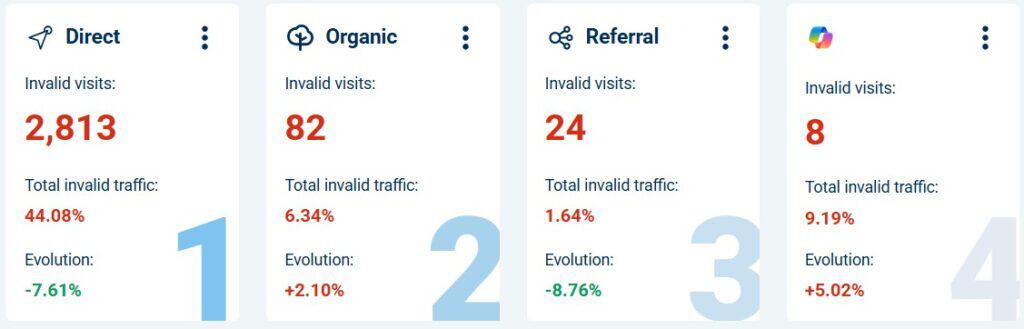
Because paid campaigns can become expensive quickly, many businesses eventually explore tools that help monitor performance, optimize campaigns, or identify wasted spend. Some tools focus on improving ad performance through bid adjustments and keyword insights, while others help detect fraudulent or low-quality clicks that may drain advertising budgets.

For many small businesses, however, the most important step is simply understanding how paid search works and starting with carefully managed campaigns before adding additional optimization tools.

7. Privacy and Consent Management: Consently
Category: Management

As websites collect more data through analytics, advertising, and other tracking technologies, privacy and consent management have become an increasingly important part of the marketing stack.

Many jurisdictions now require websites to inform visitors about cookies and tracking technologies and, in some cases, obtain consent before collecting certain types of data. Regulations such as GDPR and other privacy frameworks have made compliance an important consideration for businesses operating online.

Consent management platforms help address this challenge by scanning websites for cookies, generating privacy policies, and providing visitors with clear options for managing their data preferences.

Tools like Consently can help businesses monitor cookies running across their website, generate privacy documentation, and maintain records of visitor consent. For small businesses, these tools can simplify an area of marketing that is often overlooked but increasingly important.

Even when regulations do not strictly apply, being transparent about data collection and privacy practices helps build trust with website visitors.

Other Martech Categories Worth Considering

The stack above focuses on the foundational tools that help small businesses build a website, measure marketing performance, create content, and generate visibility.

However, other categories within Brinker’s martech framework may become important as a business grows.

For example, most organizations will have a Customer Relationship Management (CRM) platform to track leads, manage customer relationships, and support sales activity. CRM decisions often involve multiple departments including sales, leadership, and finance, which is why they were not explored in detail here. Platforms such as Salesforce and HubSpot are among the most widely used in this category.

There are also additional optimization tools that some businesses explore, such as heatmaps, behavior analytics, and A/B testing platforms. These tools can provide insight into how visitors interact with web pages and how design or messaging changes influence behavior. However, many smaller websites may not receive enough traffic to run statistically meaningful A/B tests, which is why simpler behavior insights are often more practical early on.

The goal of a practical martech stack is not to include every possible tool. It is to start with a small set of platforms that provide real visibility into marketing performance and expand the stack only when a clear need appears.

A Practical Martech Stack for Small Businesses Read More »

Cookie Consent Management and Privacy Compliance Platform

Reading Time: 5 minutes

Most websites are running more trackers than their owners realize.

I scanned my own website and found 279 cookies across 262 pages, including 148 unclassified.

If you do not know what is running on your website, you are not actually managing it.

See how this score is calculated

Here’s how to interpret this score:

The overall score reflects both product quality and how compelling the current deal is.

A score in the high 4 range reflects a strong product with clear value and only minor limitations.

See the AppSumo Deal

Affiliate disclosure: If you buy through my AppSumo link, I may earn a small commission at no additional cost to you. I only share tools I believe are worth your time and consideration.

Real Results From My Implementation

These are the results from my own website after implementing Consently, not a demo or sample environment.

Full scan results: Total cookies, pages analyzed, and category breakdown from my website.
Consent rate: How users actually respond to the cookie banner after implementation.
Live banner experience: What users see when they visit the website.

The 30-Second Decision

Best for: websites that want full consent coverage without turning compliance into a project

Not ideal for: enterprise teams with complex, multi-region compliance requirements at scale

Entry price: $39 lifetime for 1 domain and 100,000 monthly page views

Risk window: 60-day refund through AppSumo, versus a 14-day trial on Consently’s own website

My take: a practical “get compliant fast” tool for most websites and lean teams. Not an enterprise privacy platform, and that is exactly why it fits.

What I Found When I Scanned My Website

Here’s what Consently surfaced on my own website, and it was more than I expected.

The 148 unclassified cookies meant there was real work ahead to properly categorize them.

Consently helps close that gap with scanning, consent control, consent logging, and policy generation in one place.

This is exactly the kind of visibility most websites are missing.

See the AppSumo Deal Before It Ends

What Consently Actually Does

Consently takes you from “I do not know what is running on my website” to visibility and control.

It scans your website for cookies and third-party scripts, blocks non-essential cookies until visitors give consent, logs consent decisions in an audit-ready dashboard, and generates privacy, cookie, and terms policy pages.

It also connects with Google Analytics 4 and ad platforms so opt-outs are actually respected.

Most consent tools stop at displaying a banner. Consently lets you define which cookies are essential and which require consent, including analytics, advertising, performance, and social. That is a governance decision, not a design choice.

Consently is not just a banner tool. It is visibility into what is actually happening on your website.

Doesn’t Google Analytics 4 Already Handle This?

Not really.

Google Analytics 4 and Google Tag Manager can help configure how Google tags behave after consent is given through Consent Mode. That is useful, but it is not a consent management system.

Google Analytics 4 and Google Tag Manager Consently
Consent Mode configuration only Full consent management system
No automatic cookie scanning Automatic cookie scanning
No cookie categorization dashboard Category-level cookie classification and control
No built-in policy generator Built-in policy generation
No centralized consent log dashboard Audit-ready consent logs
Manual configuration across tools Scanning, blocking, logging, and policy generation in one dashboard

Google Analytics measures what happened. Consently controls what is allowed to happen.

Setup in Minutes

Add your website name and URL, customize your banner and preference center, then drop a single script into your website header. I deployed mine through Google Tag Manager. After that, Consently scans, logs, and generates your policy pages automatically.

Why I Would Recommend This

  1. Compliance is based on data collection, not traffic size. If you collect data, you are responsible for it. At a lifetime price, this is inexpensive risk reduction.
  2. Tracking drift is real. Expired tags linger. Short-term tests become permanent. Third-party tools introduce cookies you did not explicitly plan for. On my own website, Consently surfaced 148 unclassified cookies. That is exactly the kind of thing that accumulates without you realizing it. Regular scanning restores visibility and control.
  3. It compresses complexity for lean teams. You could try to manage consent through multiple tools and manual processes. Most teams do not. Consently centralizes scanning, consent control, logging, and policy generation into one operational layer.

What Works Well

  • Live in under 30 minutes with minimal setup
  • Automatically scans your entire website for cookies across all pages
  • Control exactly which cookies are allowed and when
  • Audit-ready consent log dashboard
  • Built-in policy page generation
  • Google Analytics 4 and ad platform compatibility
  • 60-day AppSumo refund window

Watch Out For

No CSV export for your cookie list. This is the one thing I would change and have recommended to the team. With 148 unclassified cookies, being able to export, sort, and bulk classify in a spreadsheet would save real time. Right now you are doing it one by one inside the dashboard, which becomes tedious fast at scale. That is the gap between a 4-star and 5-star tool for me.

Validate PageSpeed and overall performance impact if your website is performance-sensitive.

Some manual review is still required as your tech stack evolves.

Not built for complex, multi-region enterprise compliance.

Plans and Pricing

Tier 1 starts at $39 lifetime for 1 domain and 100,000 monthly page views. Higher tiers add more domains and more page view capacity for teams managing multiple websites.

The AppSumo 60-day refund window gives you more runway than Consently’s standard 14-day trial to test it on your own website before committing.

Check Current Pricing and Tiers

Bottom Line

Privacy compliance is rarely urgent until it is.

For a $39 lifetime starting tier, Consently is a fast, centralized way to get cookie banners, scanning, consent logs, and policy pages in place without turning it into a legal or engineering project.

The one gap, no CSV export for bulk cookie classification, is a real friction point if your website has a lot of unclassified cookies. But at this price point, and with the core functionality it delivers, it is still the right tool for most websites and small teams.

If you want full visibility and control over what’s running on your website without turning compliance into a project, this is one of the easier decisions you’ll make.

Get Consently Lifetime Access

Disclaimer: I am not a lawyer. This content is for educational purposes and reflects my experience and research. Always validate privacy and compliance requirements based on your specific business and jurisdictions.

Looking for more marketing software reviews? See my full list of marketing tools and software I recommend.

Cookie Consent Management and Privacy Compliance Platform Read More »